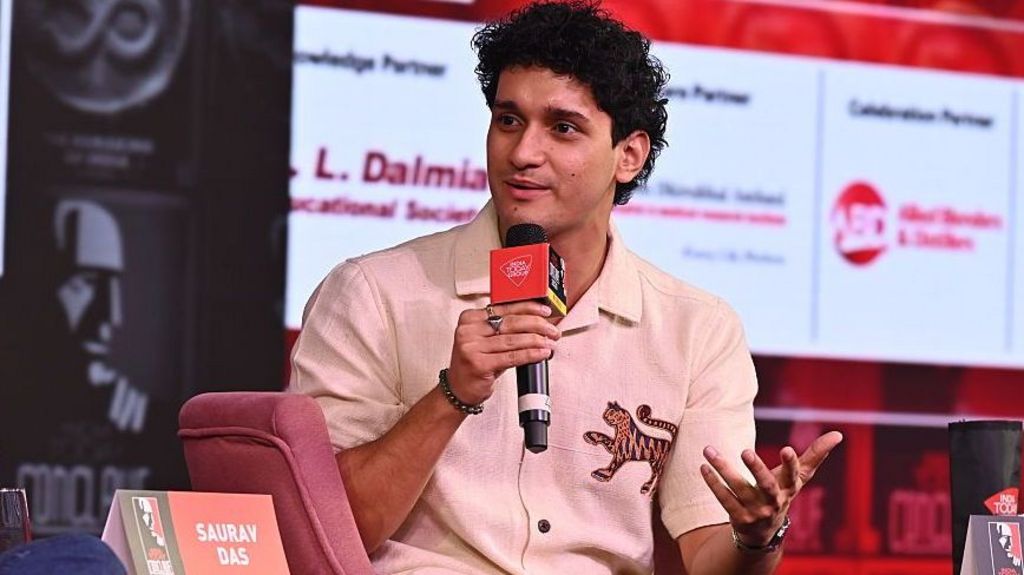
Saurav Das, a prominent figure in India’s youth-founded Cockroach Janta Party (CJP), was blocked from boarding his scheduled 1:00 AM local time Tuesday flight to the United Kingdom by Delhi airport immigration officials, who informed him his passport had been placed on an official watchlist. The trip, arranged after formal invitations from top UK academic institutions, was set to include speaking engagements at the Oxford Union, as well as separate lectures hosted by student bodies at the University of Cambridge and the University of Edinburgh. As of press time, no official explanation has been released for the passport flagging, with the BBC confirming it has submitted formal requests for comment to India’s federal home ministry, Delhi Police, and airport operational authorities. A spokesperson for the home ministry has already redirected all media queries on the incident to airport administration and local law enforcement. Das, a former journalist who rose to national visibility earlier this year as a leading voice of the Gen Z-driven CJP movement, framed the incident as a deliberate act of suppression in a post on X. He noted that Indian student organizers poured extensive time and effort into coordinating the UK events, accusing the current administration of anti-intellectual behavior and fear of his ability to share details of the youth movement on prestigious international academic stages. Fellow CJP leader Ratna Singh also shared on social media that she had received an invitation to the Oxford Union alongside Das, but her UK visa application was rejected several days prior to the planned travel date. Singh emphasized that the manner in which Das was prevented from boarding his flight raises deeply alarming questions about the current state of free expression in India, and the shrinking civic space available for young dissenting voices to be heard both domestically and abroad. Originally launched as a satirical political project, the CJP has rapidly evolved into a high-impact youth pressure group that has reshaped India’s domestic political discourse in 2025. In July, widespread CJP-led demonstrations against rampant national exam paper leaks forced then-Education Minister Dharmendra Pradhan to step down from his cabinet post. Months later in October, Das was among thousands of activists detained by Delhi police during planned protests calling for the resignation of Chief Election Commissioner Gyanesh Kumar, over widespread public allegations of irregularities in national electoral roll records. Both Kumar and India’s Election Commission have formally denied all claims of misconduct. Later that same October, Das and fellow CJP leader Ashutosh Ranka were sentenced to seven days in jail after being arrested on trespassing charges for gathering at a Delhi protest site that had been placed under an official demonstration ban. CJP founder Abhijeet Dipke highlighted the perceived double standard in a public X post, noting that wealthy Indian billionaires accused of large-scale bank loan defaults have been permitted to flee the country for London unimpeded, while a youth activist traveling to deliver academic lectures is barred from international travel. The incident is part of a documented pattern of dissenting public figures being prevented from boarding international flights in recent years. In September 2025, Bhanu Tatak, a prominent environmental and anti-dam activist based in Arunachal Pradesh, was blocked from a flight bound for Dublin. Back in March 2022, award-winning investigative journalist Rana Ayyub, a vocal critic of Prime Minister Narendra Modi’s administration, was stopped at Mumbai airport before she could board a London-bound flight where she was scheduled to speak at multiple events focused on global media freedom and the targeted harassment of independent journalists.