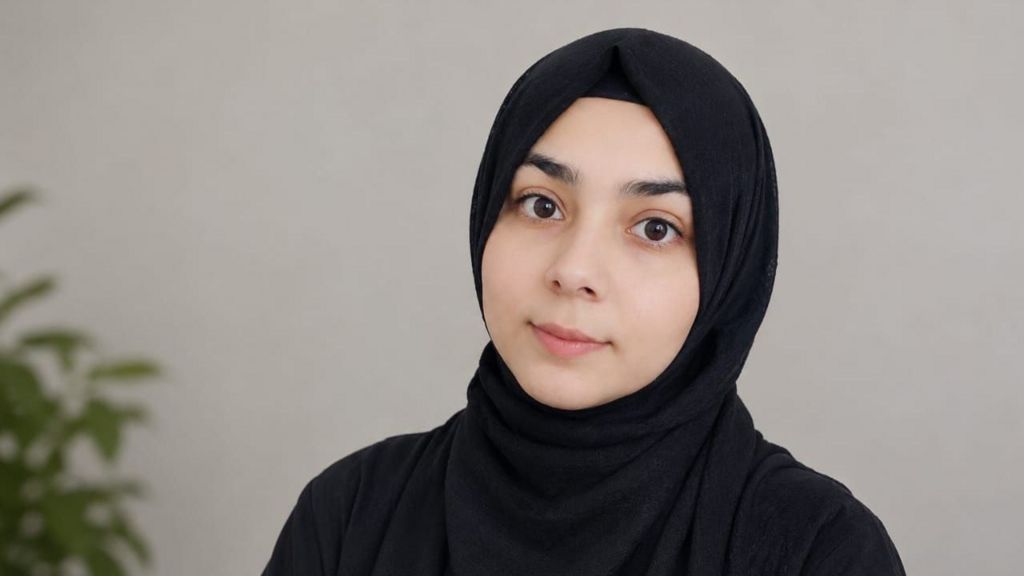
For Shahira Sadat, a Kabul-based software engineer, the long-awaited email confirming her Chevening Scholarship interview slot felt like a lifeline after three grueling years of navigating Taliban-imposed restrictions that bar women from secondary and tertiary education, as well as most formal employment. For months, she worked around crippling rolling power outages, intermittent internet access, and the constant threat of regime retaliation to compile applications for UK master’s programs, landing three formal offers in artificial intelligence and machine learning from the University of Sussex, University of Bradford, and Northeastern University London. That glimmer of hope was completely shattered in March 2026, when the UK Home Office announced an unprecedented “emergency visa brake” suspending all study and skilled work visa applications from nationals of Afghanistan, Cameroon, Myanmar, and Sudan. Then-Home Secretary Shabana Mahmood framed the policy as a necessary measure to curb widespread visa abuse, citing a sharp spike in asylum claims originating from these visa routes, noting that Afghan asylum claims made up 95% of all study visas issued to Afghan nationals between 2021 and September 2025. The move followed a parallel policy earlier that year by the United States, which barred all new visa applications from Afghan nationals. Sadat received a formal notice that her application would no longer be processed solely on the basis of her Afghan nationality. “I cried for hours and hours,” she shared. “This was never just about earning a degree: it was the only chance I had to rebuild my career and carve out a future the Taliban had already stolen from me.” Another Afghan woman, identified only as Alia to protect her safety, faced identical rejection after securing a master’s offer in digital media from a UK institution. Her path to that offer required defying Taliban edicts to attend a secret English language preparation school, which was later raided and shut down by regime forces, forcing her to switch to remote tutoring with a Canadian educator. She also struggled to find a standardized test center that would admit female students, and spent months negotiating with UK university admissions teams to have her Afghan-earned undergraduate degree recognized, all amid persistent power cuts and fears of a repeat of the nationwide Taliban internet shutdown imposed in September 2025. Even after clearing every hurdle, she was blocked from proceeding with her visa application. “Everything is banned for no other reason than I am an Afghan woman,” she said, her voice cracking. “I want to tell the UK government: do not treat us the same way the Taliban does. They have already stripped us of our right to education, so the global community should be lifting us up, not closing doors on us.” When questioned by the BBC, the UK Home Office pointed to the expanded UK Resettlement Scheme and newly launched named sponsorship and refugee study routes, which it claimed would create safe pathways for vulnerable Afghan women and girls to relocate to the UK. However, it declined to answer specific questions about whether these pathways would be accessible to women still residing in Afghanistan who are not formally classified as refugees, nor did it release data on the number of available spots reserved for Afghan nationals. Official data from the UK’s Higher Education Statistics Agency shows that out of more than 680,000 international students enrolled in UK higher education institutions in the 2024-25 academic year, fewer than 400 were from Afghanistan. Zainab Rezaie, an Afghan PhD candidate in education at the University of Exeter who relocated to Birmingham in 2024 and later applied for asylum, explained that many Afghan students in the UK feel forced to seek asylum rather than returning home after graduation. “In Afghanistan, every move a woman makes has to be carefully strategized, just to stay safe,” she said. She noted that returning to Taliban-controlled Afghanistan after completing her doctorate would leave her completely barred from working in her field, with no personal autonomy over her daily movement. “No one chooses to become an asylum seeker willingly. It takes enormous mental energy to adjust to life in a new country, separated from your entire family, just to hold onto a sliver of personal freedom.” While limited study opportunities for Afghan women remain open in parts of Europe, Asia, and other global regions, the students interviewed expressed deep fear that other nations will follow the visa restriction precedents set by the US and UK, leaving an entire generation of educated Afghan women trapped with no path forward.