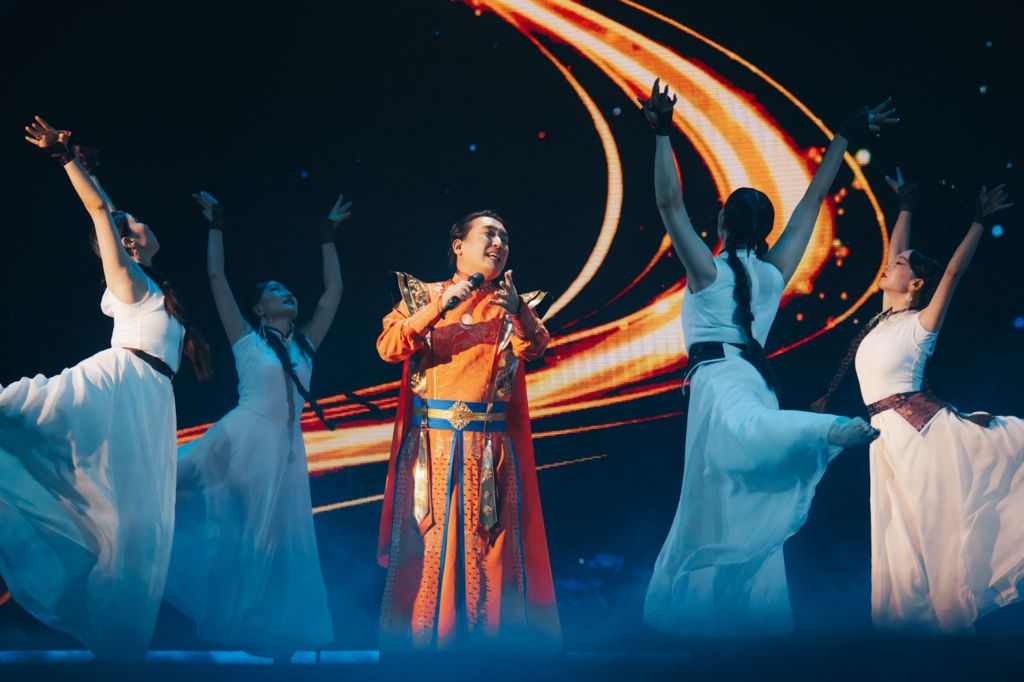
Marking the 70th anniversary of the iconic Eurovision Song Contest, the European Broadcasting Union (EBU) is finally realizing a two-decade-long discussed initiative: the inaugural Eurovision Asia grand final, set to kick off at 20:30 ICT (13:30 GMT) this Saturday in Bangkok, Thailand. Born in 1956 in post-WWII Europe to foster cross-cultural reconciliation and exchange, the original Eurovision has evolved into a beloved pan-European cultural staple defined by whimsical performance gimmicks, elaborate high-production staging, its distinctive layered voting system, and a legacy of launching global superstars including ABBA and Celine Dion. Transporting this decades-old, proven television format to Asia has proven far from seamless, as noted by Thai Eurovision enthusiast, professional singer and multi-regional competition winner Sarun “Note” Kungbunpot. Unlike existing Asian singing contests that center entirely on an artist’s personal popularity and fan idol loyalty, Eurovision’s core focus prioritizes the quality of the submitted song – a key distinction that event organizers are still working to communicate clearly to unfamiliar regional audiences. This debut iteration of Eurovision Asia draws 11 participating nations: host Thailand, plus Malaysia, the Philippines, Vietnam, Cambodia, Laos, South Korea, Mongolia, Bangladesh, Nepal, and Bhutan. Major regional entertainment powerhouses including India, China, Japan and Indonesia are notably absent from the first lineup, though EBU representatives confirm active negotiations are underway to secure their participation for a potential second edition next year. The lead-up to the grand final has been marked by significant operational hurdles: a last-minute $1 million (£760,000) budget cut just three weeks prior to the event prevented the deployment of many veteran Eurovision technical crews from Europe, while a wave of staff resignations has drawn public criticism from global Eurovision fan communities over subpar audio and lighting quality seen in pre-event rehearsal clips. The contest retains Eurovision’s signature 50/50 voting structure, combining scores from national juries in all 11 participating countries with public audience votes, plus an additional 12th “rest of the world” voting pool. Registered voters receive 8 votes each, are barred from supporting their home country’s entry, and must distribute their votes across a minimum of three competing acts, with top-ranked entries earning the iconic 12-point score and lowest-placing entries at risk of the famous “nul points” zero score designation. While long-documented regional bloc voting patterns common in Europe (such as Nordic nations historically trading high scores) are considered unlikely to emerge in the Asian edition, organizers acknowledge recent geopolitical frictions – including the 2024 border conflict between Thailand and Cambodia – could sway audience voting trends. The global 11-million strong Filipino diaspora, widely known for their passionate love of singing, is expected to drive high engagement, though most overseas Filipino voters will contribute to the “rest of the world” pool rather than their home country’s national vote count. For small, lesser-represented nations like Bhutan, the contest offers an unprecedented global platform: 24-year-old journalism graduate Thukten Nyendra, making his first ever international trip and first flight to represent the Himalayan kingdom, expressed that even advancing far in the competition would be a source of immense national pride, noting he is not a household name at home and Eurovision has given him a once-in-a-lifetime opportunity to showcase his work. Aligned with longstanding Eurovision rules, all entries are capped at 3 minutes in length, allow a maximum of 6 performers on stage, and use only pre-recorded backing tracks with no live bands – pushing contestants to craft eye-catching, memorable choreography and distinctive visual staging to stand out. Given the legal restrictions on LGBTQ+ identity and expression in participating nations Malaysia and Bangladesh, no explicit LGBTQ+ themed elements are featured in this year’s debut lineup. Contestants have spent final rehearsal periods refining their acts to maximize impact: Lao artist Thinla swapped her planned sequined performance dress for traditional Lao hill tribe attire for herself and her backup dancers for her reggaeton track Bae; Vietnamese star Tóc Tiên has logged hours of grueling practice for the elaborate costume changes and high-energy choreography of her entry Em Tiên (Fairy Maiden); Bangladesh’s a cappella beatbox group Beatmosphere delivers a stripped-back, harmony-driven performance for their track Tumi Ele (You Came); and 19-year-old Filipino rising star Carmelle Collado, the youngest contestant in the lineup, brings a vibrant, confidence-filled performance for her track Sobra-Sobra (Too Much) that celebrates feminine strength and the resilience of Filipino women. While the original Eurovision built its legacy by elevating unknown, underrepresented local artists to global fame, low pre-event public awareness of Eurovision Asia means most of this year’s contestants are already established stars in their domestic markets. Top contender Aina Abdul, one of Malaysia’s most celebrated vocalists, will perform her track Bluest Sky – a tribute to her late pet cat Hiro – wearing a custom 600-hour handcrafted gown designed by renowned Malaysian couturier Melinda Looi, made with imported Italian and Chinese fabrics to create a shimmering, water-like visual effect. If the inaugural event meets performance expectations, organizers aim to expand the Eurovision brand across the broader Asian market, home to half of the global population, to build a new long-running cross-cultural entertainment tradition parallel to its 70-year-old European predecessor.
Eurovision is finally coming to Asia – meet the stars gearing up to take the stage