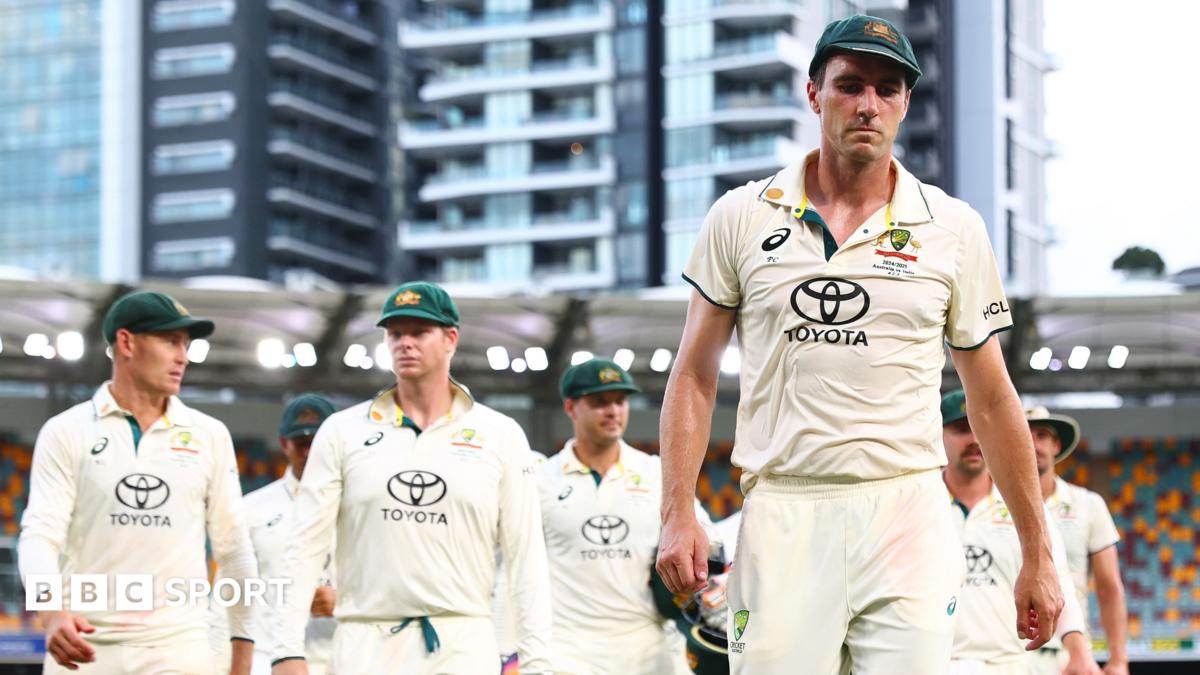
A long-simmering scandal that seared the reputation of Australian cricket eight years ago has exploded back into public view, triggered by high-profile batter Usman Khawaja’s newly released autobiography *Sabr*, which revives unresolved questions about the full scope of the 2018 Cape Town ball-tampering incident once dubbed “sandpapergate”.
The 2018 saga, which saw Cameron Bancroft caught hiding sandpaper to rough up the match ball, resulted in heavy, career-altering bans for then-captain Steve Smith, David Warner, and Bancroft himself, and prompted the tearful resignation of head coach Darren Lehmann. For years, rumors have swirled that the three sanctioned figures were far from the only members of the 2018 touring squad aware of the tampering plot, but no public figure with direct first-hand experience had ever laid those suspicions out formally until Khawaja’s book launch this week.
Careful to avoid explicit individual accusations and potential legal repercussions, Khawaja frames his claims around collective team accountability, stating repeatedly across book excerpts, Instagram posts, and a Tuesday interview with the Australian Broadcasting Corporation that the full 2018 squad bears shared responsibility for the incident, rather than letting the blame rest solely on the three penalized players. He notes he was never interviewed as part of Cricket Australia’s (CA) original 2018 investigation, and his motivation for speaking out stems in large part from longstanding loyalty to his childhood friend Warner, who bore one of the harshest penalties of the scandal.
The revelations have split public and player opinion, creating a clear stalemate eight years on. Former fast bowler Chadd Sayers, a member of the 2018 Cape Town squad, has come out in full support of Khawaja and Warner, while key figures including ex-coach Darren Lehmann and star pace bowler Mitchell Starc have reaffirmed their longstanding denials of any prior knowledge of the tampering plot. CA chief executive Todd Greenberg publicly stated Tuesday that he sees no “compelling reason” to reopen the original investigation, a position that has drawn widespread criticism given Khawaja’s unconfirmed allegation that a member of the 2018 backroom staff actively encouraged Bancroft to tamper with the ball — a claim that has never been formally probed, and which former assistant coach David Saker (named by many observers as the referenced staff member) has previously pushed to have addressed via the full, never-released Cape Town investigation files.
The allegations cast a particularly long shadow over Australia’s legendary current quartet of fast and spin bowlers: Mitchell Starc, the all-time leading left-arm Test wicket-taker, Nathan Lyon, cricket’s most successful orthodox finger-spinner, Josh Hazlewood, and current captain Pat Cummins, who have combined to take nearly 1700 Test wickets and lead Australia to recent Ashes and World Cup triumphs. The four have stood by a 2021 joint statement asserting they had no knowledge that a foreign substance was brought onto the field to alter the ball’s condition, but critics have questioned how elite professional bowlers, who closely monitor ball condition to plan their deliveries, could have missed the distinct swirling marks Khawaja says sandpaper leaves on leather. Former Australia captain Michael Clarke has warned that continued inaction to resolve these open questions will leave Australian fans unable to “trust what’s real”, pointing out that two consecutive Australian captains have already lost their posts in disgrace over unrelated off-field and on-field scandals. For now, the saga leaves Australian cricket trapped in a persistent “sandpaper limbo”, with no clear path to resolving the unaddressed claims, no public release of the original investigation records, and a lingering reputational stench the sport’s governing body has so far declined to fully eradicate.
Australia doomed to live with stench of sandpapergate