A fresh spate of unverified bomb threats targeting European commercial airlines on Friday marks the third major wave of such malicious hoaxes unfolding across the continent within a single week, triggering widespread travel chaos, military air escort deployments, and mandatory evacuations of major media outlets across multiple EU member states.
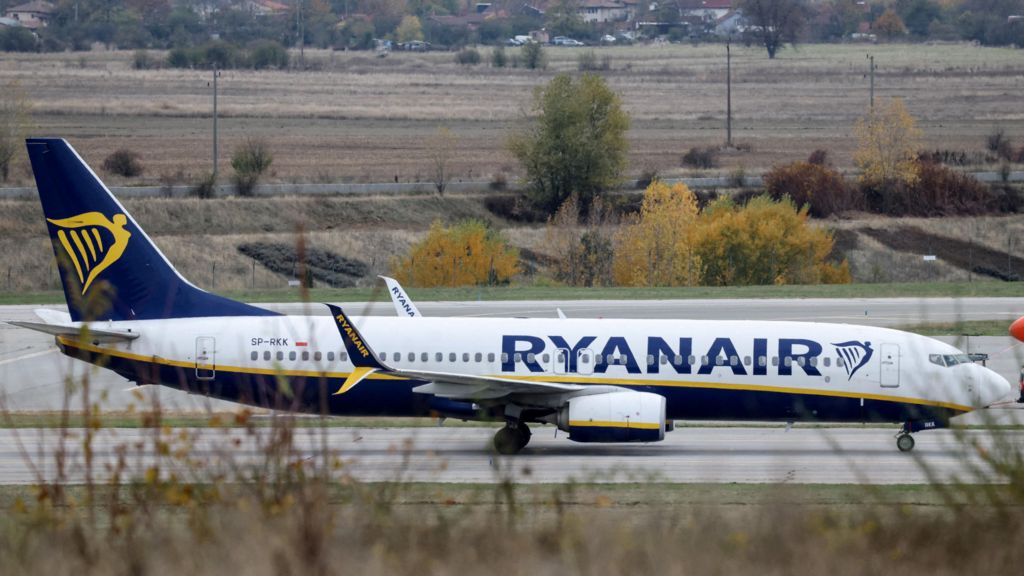
Regional aviation and law enforcement authorities confirmed that multiple scheduled flights operating to and from Lisbon, Rome, Prague, and Sofia were targeted in Friday’s threat wave, with three separate civilian aircraft diverted and escorted safely to their destinations by Hungarian Air Force fighter jets as a precautionary security measure. Additional disruption data verified by regional news agency AFP shows at least 11 flights were targeted across the Czech Republic and Bulgaria, Irish low-cost carrier Ryanair confirmed one of its Lisbon-to-Rome routes received a threat, and French aviation officials reported four domestic and international French flights were also targeted, all landing without incident.
This latest round of threats follows an earlier episode earlier this week that impacted nearly 30 aircraft and multiple major European airports, a sequence UK officials previously labeled a deliberate “malicious hoax.” As of end of day Friday, no explosive devices had been discovered on any targeted aircraft following full security sweeps.
Simultaneously with the aviation-focused threats, a string of identical bomb warnings were issued against high-profile European media organizations, prompting immediate evacuation orders. Affected outlets include Ireland’s national public broadcaster RTÉ, the Irish Independent newspaper, Dublin-based radio stations NewstalkFM and TodayFM, as well as UK-based global news network Sky, which is owned by media conglomerate Comcast. Armed units of Ireland’s national police force, An Garda Síochána, were deployed to secure RTÉ’s Dublin headquarters following the threat, with law enforcement officials confirming they are actively investigating the series of warnings targeting domestic and European media entities. Sky issued a public statement noting it had completed full site security assessments, notified relevant national authorities, and prioritized staff safety while collaborating closely with law enforcement to secure its operations.
While formal investigators have not yet established any concrete evidentiary links between the aviation threats and the media-targeted warnings, the Irish government issued an official public advisory Friday warning that the overlapping incidents represent a “likely coordinated campaign of disruption.” In an official statement, government representatives emphasized that the hoax threats inflict unnecessary fear, emotional distress, and severe disruption to ordinary citizens going about daily routines, and deliver no tangible public benefit. Irish Prime Minister Micheál Martin characterized the ongoing situation as deeply “worrying,” noting that the government’s top operational priority remains protecting the safety of the general public. Martin confirmed that preliminary indicators point to coordinated efforts to disrupt European air travel, though investigators have not yet determined if the threats originate from isolated individual actors, a centralized group, or a loosely organized coordinated network.
The unfolding security disruption comes just days before Ireland is scheduled to host two high-stakes formal European Union ministerial meetings in Dublin next week, raising additional security planning concerns for event organizers. Separately, the Russian extremist group previously named as a suspected perpetrator behind earlier this week’s hoax threats targeting Italian airports, known as “Male State,” has publicly denied any involvement in the false warnings. In a sarcastic message sent to the BBC Russian Service via a Telegram channel linked to the group and its founder Vladislav Pozdnyakov, group representatives mocked the allegations, claiming the organization had ceased to exist years ago, and joked that if future hoax threats were signed in the name of Russian President Vladimir Putin, authorities would presumably attempt to contact the head of state to follow up on the claims.
New wave of bomb threats hit European airlines