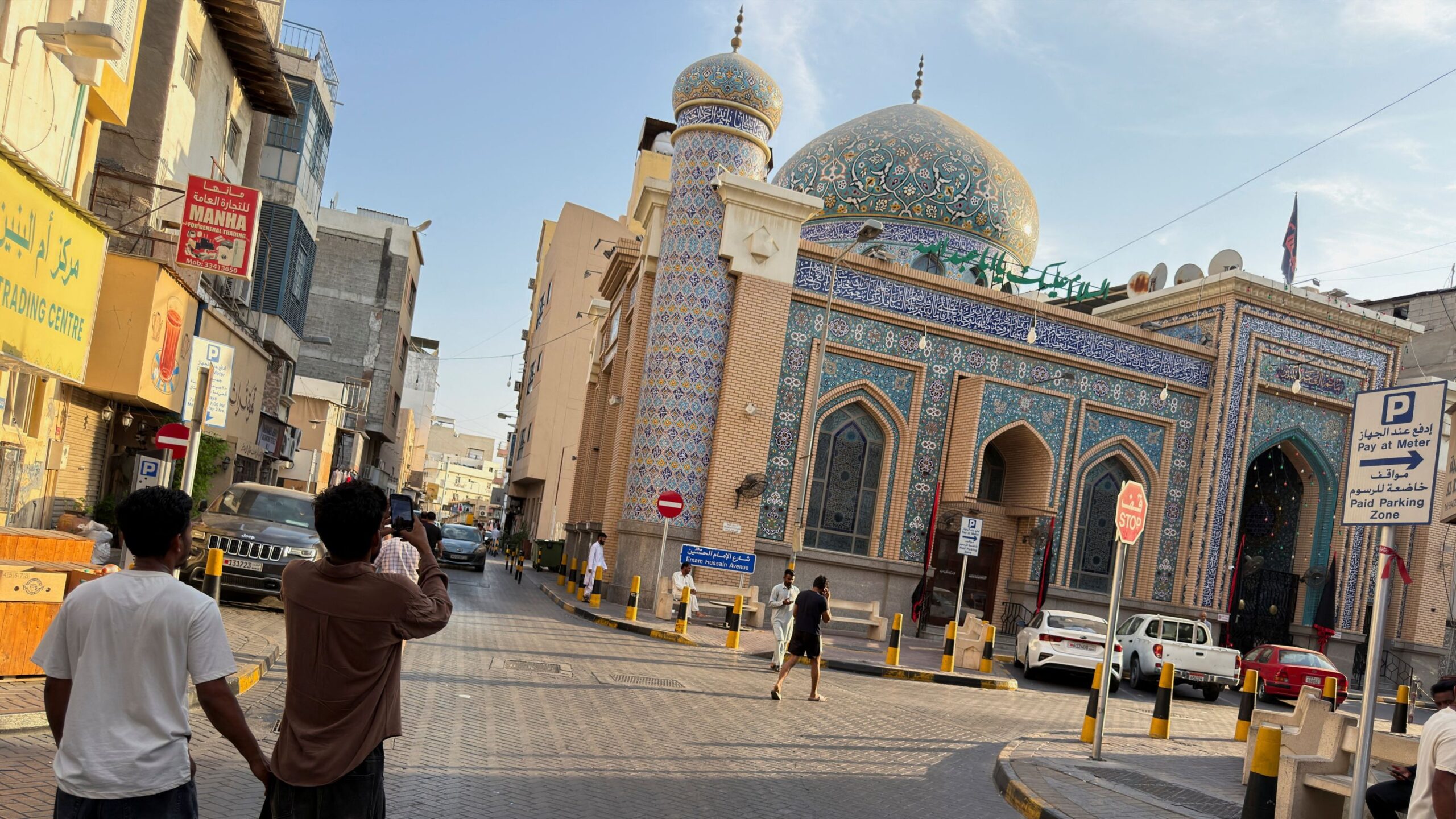
Manama, Bahrain – The Gulf Arab kingdom of Bahrain is on the cusp of convening the largest mass trial targeting Shia religious leaders in its modern history, as human rights organizations raise urgent alarms over systemic due process violations, including claims that judicial authorities have extracted confessions through physical coercion and torture. A local national court is scheduled to issue formal verdicts this Sunday for 69 total defendants, 60 of whom are practicing Shia clerics, who face a sweeping slate of charges: affiliation with a purported terrorist organization, conspiring to overthrow the country’s constitutional ruling system, and disseminating Iran’s official political ideology within Bahraini borders. Documented testimony collected by the Bahrain Institute for Rights and Democracy (BIRD) details a catalogue of severe abuses inflicted on the detained group during pre-trial detention, including being forced to stand for extended hours on end, being kept blindfolded and handcuffed for days at a time, prolonged intentional sleep deprivation, and repeated threats of physical harm, sexual violence directed at both the detainees and their immediate family members. Multiple detainees also reported that interrogators explicitly threatened to revoke their Bahraini citizenship and forcibly deport them if they refused to confess to the alleged charges. One 62-year-old prominent Shia cleric, Sheikh Mohammed Saeed Al-Taitoon, shared with independent investigators that he was held blindfolded and physically restrained for seven consecutive days, forced to remain standing even as he suffered from severe urinary bleeding and painful kidney stones, and was actively denied access to life-saving surgical care for his condition. A second 57-year-old cleric, Sayed Moosa Jawad Alwedaie, stated that interrogators beat him repeatedly, subjected him to electric shock torture, and left him naked and exposed in his cell for extended periods. A coalition of 20 leading global human rights groups, including Human Rights Watch and Amnesty International, has issued a joint public appeal to Bahraini governing authorities, demanding the immediate release of all individuals arbitrarily detained in the sweep, the full dismissal of all charges rooted in peaceful, lawful religious practice, and a fully transparent, independent investigation into every verified allegation of mistreatment and torture against the detainees. This upcoming trial is the latest flashpoint in long-running international scrutiny of Bahrain’s ruling Sunni monarchy, which has faced consistent global condemnation for its widespread crackdown on the country’s 2011 Arab Spring-era pro-democracy movement. For more than a decade, the kingdom’s ruling establishment has repeatedly targeted religious leaders from Bahrain’s large Shia majority population, routinely framing them as having secret operational ties to the Islamic Republic of Iran. Recent regional geopolitical tensions, sparked by the outbreak of open conflict between the United States and Israel against Iran, followed by a series of Iranian retaliatory strikes targeting U.S.-aligned Gulf states including Bahrain, have prompted a sharp new wave of domestic repression against individuals suspected of having any ties to Tehran. To date, 69 Bahraini citizens of Iranian heritage have already had their legal citizenship formally revoked as part of this expanded security campaign. Tariq Al Hassan, director of Bahrain’s internal state security agency, defended the government’s actions in a Friday interview with Reuters, stating that the ongoing crackdown is designed to counter “an ideology that demands obedience to Iran’s leadership above Bahrain’s sovereign authority.” Critics of the government’s campaign, however, argue that the high-profile mass trial is a thinly veiled new effort to crush all remaining peaceful political dissent across the kingdom. Sayed Ahmed Alwadaei, advocacy director at BIRD, characterized the upcoming mass trial as a direct “attack on the faith and identity of Bahrain’s Shia community” and one of the “ugliest forms of persecution” the Bahraini state has carried out since the 2011 pro-democracy uprising. “When allegations of torture are brushed aside and defendants are denied a meaningful opportunity to challenge the evidence against them, the judiciary becomes an instrument of persecution,” Alwadaei noted in a public statement. “This mockery of justice must end. It will leave lasting wounds and deepen divisions across the country.”