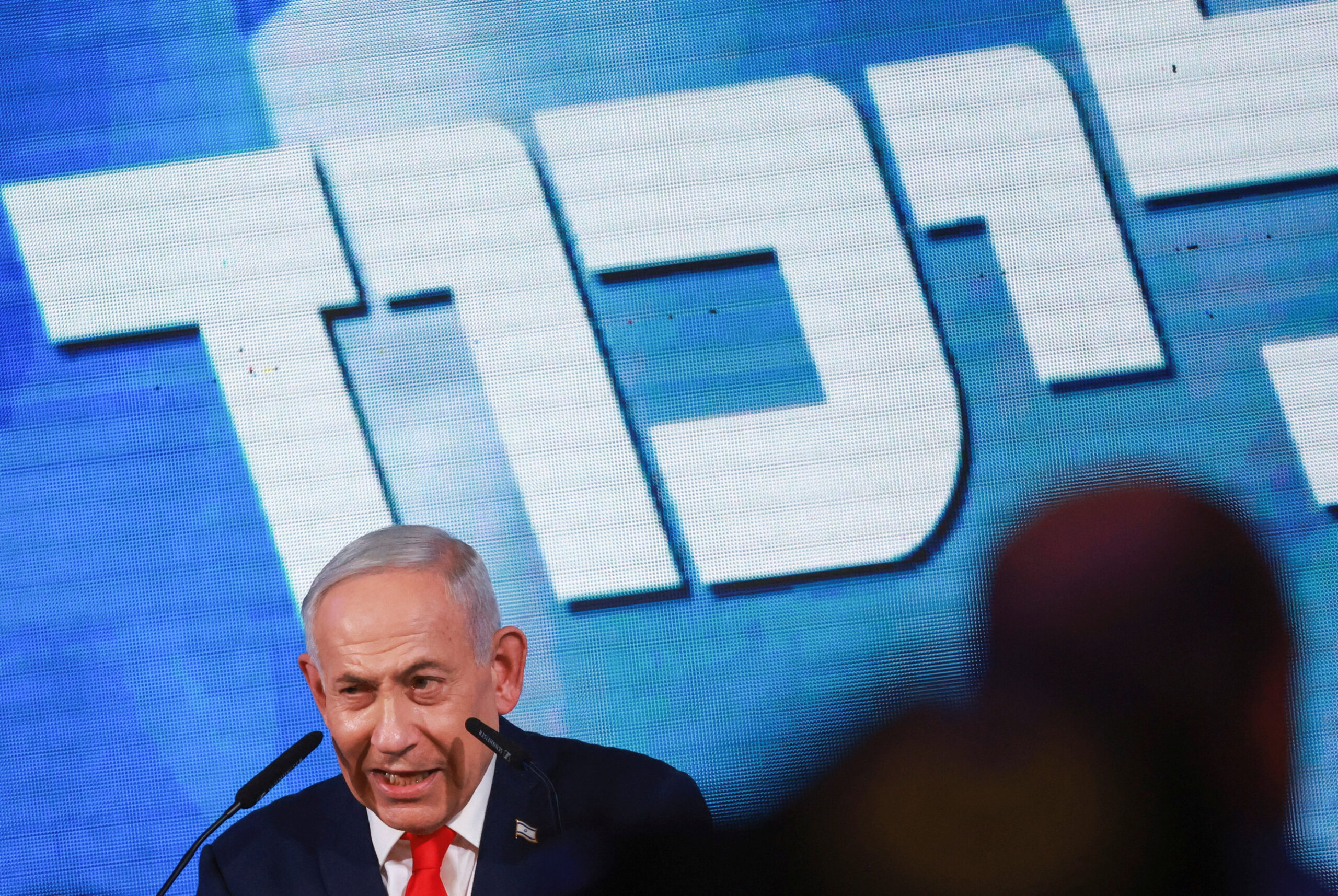
A sprawling coordinated network of 1,653 X (formerly Twitter) accounts masquerading as Iranian citizens, based both inside Iran and in diaspora communities, ran a targeted disinformation push to boost Israeli Prime Minister Benjamin Netanyahu’s re-election bid in the run-up to last week’s national vote, a joint investigation by Israeli outlet Haaretz and social media monitoring firm Expose confirmed on Friday. The fake profiles, which framed their advocacy as coming directly from the Iranian people, published content almost exclusively in Hebrew urging Israeli voters to cast their ballots for Netanyahu and his ruling Likud party, claiming a Netanyahu government would shield Israel from the Iranian Islamic Republic and its allied Axis of Resistance. The network’s activity followed highly regimented, synchronized patterns that ruled out organic, independent user behavior: Expose’s data showed two of the accounts shared 109 identical posts, a figure exponentially higher than the four overlapping posts that would be statistically expected from unconnected users. The coordinated accounts also responded to 232 separate posts from 53 different unrelated profiles within a five-minute window of one another, with activity spiking dramatically on official election day. Examples of their tightly choreographed output include two accounts posting the same Hebrew call to “support Benjamin Netanyahu to finish the job” paired with the #IsraeliElections2026 hashtag roughly an hour apart on election morning, a 10pm eve-of-election comment urging followers to “vote only for the Likud party” under a Netanyahu post, and two separate identical posts telling users to “Vote for Benjamin Netanyahu” published within two minutes of each other just after midnight. A dual-language Hebrew and English post circulated at 2am that week explicitly tied support for Netanyahu to protection from Iranian state forces. The vast majority of the accounts – roughly 1,600 of the 1,653 profiles – had been flagged as part of a previously documented 2024 influence operation that promoted Reza Pahlavi, the exiled son of Iran’s overthrown 1979 shah, as a viable alternative to the current Iranian government. As Israel’s general election campaign ramped up in July 2025, 185 of these existing accounts pivoted their activity to engage directly with Netanyahu’s official X profile, sharing content that attacked his political rivals and amplifying his campaign messaging. Once last week’s election wrapped up, the full network reverted to its original core focus of promoting Pahlavi’s political agenda. The findings were first submitted as expert evidence in October, when the Brandeis Institute and watchdog group FakeReporter filed a formal petition with Israel’s Central Elections Committee targeting Netanyahu, the Likud party, and the Prime Minister’s Office over suspected illegal unreported election advertising. Committee chairman Judge Noam Solberg rejected the petition on the eve of the election, noting that while the network’s activity appeared on its face to violate mandatory election ad transparency rules, the panel could not issue a final enforceable ruling because the identities of the accounts’ operators remained completely unknown. Solberg ordered all collected evidence to be forwarded to Israeli law enforcement for further criminal investigation. Both the Prime Minister’s Office and the Likud party have repeatedly issued formal denials of any connection, coordination, or financial support linked to the fake Iranian account network.