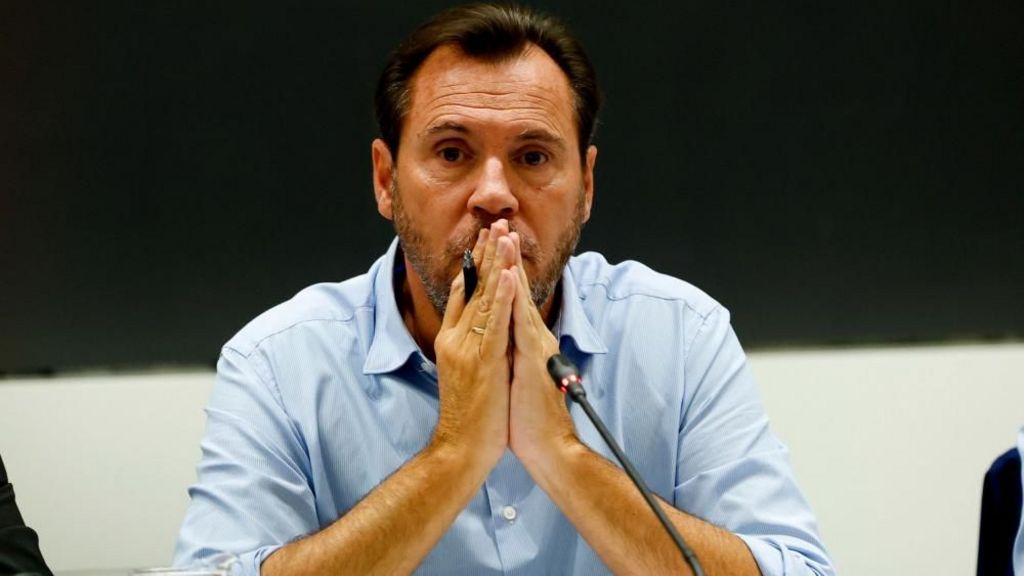
In a tense press briefing held in central Madrid, Spain’s Transport Minister Óscar Puente has firmly rejected widespread cross-party and public demands for his resignation in the wake of a catastrophic high-speed rail crash that has claimed at least 69 lives, marking one of the deadliest railway disasters in modern European history. The devastating incident unfolded on a Wednesday morning near the town of Urda, in central Toledo province, when a state-run Renfe high-speed service travelling at speeds of between 160km/h and 200km/h ploughed directly into the rear of a stationary train operated by private rail firm Iryo, crumpling the front carriage of the moving train deep into the rear of the idle service. Preliminary findings from official transport investigators, released late the following Thursday, confirmed the extreme velocity of the impacting train, a detail that has amplified public anger over systemic safety lapses. The collision comes barely eight months after a separate fatal crash on the same Madrid-Seville high-speed route in Adamuz, southern Spain, that killed 46 people in January, prompting Spanish Prime Minister Pedro Sánchez to publicly acknowledge that public faith in the country’s flagship high-speed rail network has been irrevocably shattered, describing two parallel tragedies in a single year as completely unacceptable. Initial statements from Puente shortly after the Wednesday crash had attributed the initial disruption to a computer system failure at 08:30 that brought six moving trains on the route to an abrupt halt, including the two services that would later collide. However, leaked audio recordings between the Madrid rail control centre and the two involved train drivers, published by leading Spanish media outlets, have revealed that clearance was granted for the Renfe train to resume full-speed travel even though a stalled service was confirmed to be just 25 kilometres ahead on the same stretch of track. Puente has publicly described the decision to allow unrestricted speed after the system failure as “inexplicable”, and stressed during his Friday briefing that he will not scapegoat frontline railway staff to deflect accountability for the disaster. “My duty right now is not debating whether I should step down, but delivering full answers to every unresolved question this tragedy has raised,” Puente told assembled reporters, noting that a full independent investigation will identify all contributing factors, including any cases of human error, and trigger appropriate consequences. Calls for Puente’s resignation have mounted steadily since the crash: the conservative opposition People’s Party, the CSIF transport trade union, and hundreds of demonstrators who gathered outside the transport ministry on Wednesday night have all demanded his departure. While some political figures, including Sumar platform congress member Alberto Ibáñez, condemned the unauthorised leak of the sensitive emergency audio recordings as “despicable”, Podemos party prime ministerial candidate Irene Montero pointed out that rail workers and safety experts have issued repeated warnings for years that the ongoing liberalisation of Spain’s rail sector had eroded critical safety safeguards. The Spanish government has declared three official national days of mourning to honour the victims, as grieving families and surviving passengers continue to process the scale of the loss. Puente pushed back against the resignation demands by stating that stepping down would be the cowardly, easy choice, and that it runs counter to both his personal commitment to accountability and the mandate he has received from Prime Minister Sánchez to oversee a full overhaul of rail safety protocols to prevent future catastrophes.