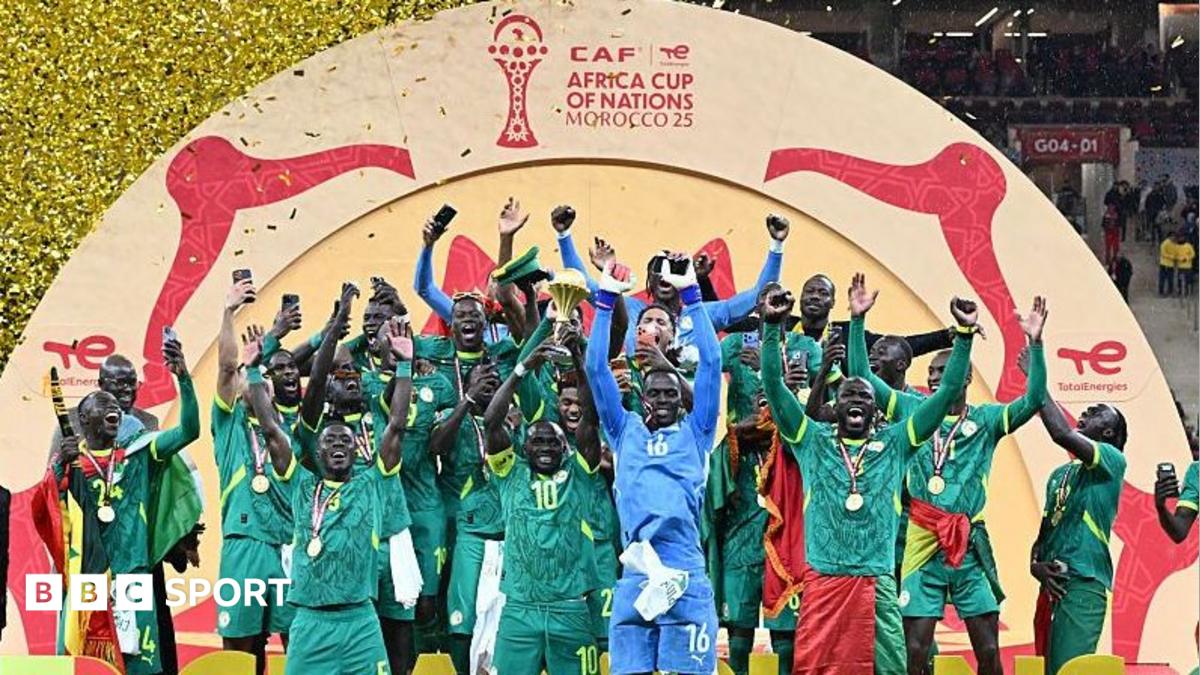
The Confederation of African Football (CAF) has officially reversed a policy shift announced last December that would have moved the flagship Africa Cup of Nations (AFCON) to a quadrennial schedule, restoring the tournament’s longstanding two-year hosting cycle following a formal executive committee review. The scrapped four-year framework had included plans to launch a new biennial African Nations League that would have replaced AFCON as CAF’s core continental national team competition, but governing body administrators confirmed the proposed new league would require multiple years of development to build sufficient independent revenue streams to operate as a financially self-sustaining flagship event.
CAF president Patrice Motsepe outlined that the executive committee’s unanimous decision to bring back the biennial AFCON calendar was drafted to prioritize the collective interests of all 54 CAF member national associations, domestic football ecosystems across the continent, and the thousands of African professional players currently contracted to clubs in European and other global leagues. The long-running biennial AFCON format has historically created persistent scheduling frictions, as recent tournament editions have almost exclusively been staged mid-way through the tightly packed European club football season, a conflict that was exacerbated last year when FIFA’s expanded 32-team Club World Cup, held across June and July 2025, forced CAF to select mid-season dates for its 2025 competition.
The updated confirmed AFCON calendar will see the next tournament co-hosted by the joint bid of Kenya, Tanzania and Uganda in 2027, with subsequent editions lined up for 2028, 2031 and 2033. No AFCON will be staged in 2030 to avoid a scheduling clash with that year’s FIFA World Cup. The 2025 AFCON made global headlines for a historic post-tournament ruling that saw initial title winner Senegal stripped of its championship three months after the final, with the trophy subsequently awarded to Morocco.
Afcon to return to two-year cycle after Caf U-turn