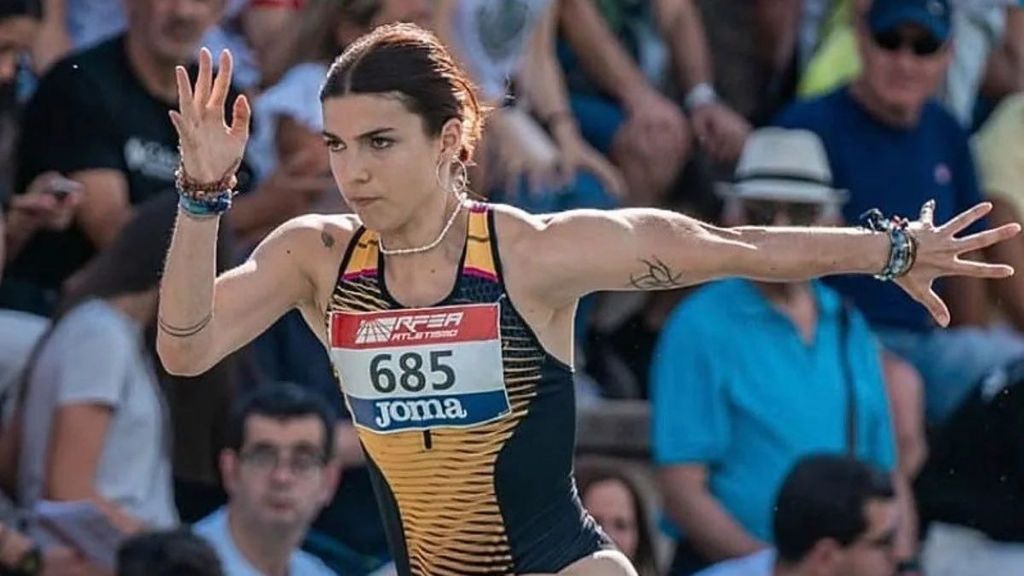
A catastrophic rail disaster unfolded on Wednesday morning near the town of Urda in central Spain, when a moving Renfe high-speed passenger train collided with a stationary Iryo train occupying the same track. The devastating impact tore multiple carriages from their rails, leaving a confirmed death toll of 69 people, with more than 100 additional passengers sustaining injuries, many of which are classified as critical. Local emergency response teams warn that the casualty count is likely to climb further, as distraught family members continue to scour medical facilities across the region for unaccounted loved ones. All recovered remains have been transferred to the primary forensic science institute in the nearby city of Toledo, where grieving relatives are submitting DNA samples to support formal identification processes. This incident marks the second major rail tragedy in Spain in the current calendar year, and the deadliest national rail crash recorded since 2013. Among the confirmed victims are several well-documented community and public figures. Twenty-four-year-old Julieta Gallego, a competitive long jumper representing Madrid-based AD Sprint Athletics Club and a familiar fixture on Spain’s domestic amateur athletics circuit, was named as a fatality by the Royal Spanish Athletics Federation (RFEA). Club leadership shared a public tribute on their official Instagram profile noting that their entire membership was “utterly heartbroken” by the loss. RFEA president Raúl Chapado described Gallego’s passing as a “blow that cuts straight to the core of the national athletics community,” adding that the promising young athlete, who held a personal best long jump record of 5.9 meters, had her entire professional and personal future unjustly cut short. Another prominent victim is 59-year-old Fátima Báñez, the former Spanish Minister of Employment and Social Security, whose death was officially confirmed by the Spanish Confederation of Business Organizations (CEOE), where she served as chair. Báñez made history as the first woman to hold the national employment portfolio, serving in the administration of former Prime Minister Mariano Rajoy from 2011 to 2018. During her tenure, she introduced a set of highly contested labor market reforms in 2012 that relaxed corporate dismissal rules, triggering widespread nationwide demonstrations. CEOE’s official statement praised Báñez for her warmth, generosity, and unwavering professional commitment, noting her legacy would leave a permanent imprint on the Spanish business community. Madrid Regional President Isabel Díaz Ayuso also paid public tribute, stating that Spain had lost a remarkable political leader who would be deeply missed by all who knew her. Additional confirmed victims include 31-year-old Civil Guard officer José Manuel Chacón, whose death was announced via an official force statement offering deepest condolences to his family, friends, and fellow service members, as well as respected tax lawyer Antonio Montero Domínguez. A former tax inspector with the Spanish national tax authority between 2012 and 2016, Montero Domínguez was remembered by legal industry outlet El Derecho as a meticulous, dedicated professional who poured endless effort into his work. As local authorities launch a full formal investigation into the root causes of the track collision, leaked audio recordings from train crews have emerged, offering preliminary unconfirmed insights into the sequence of events that led to the deadly crash.