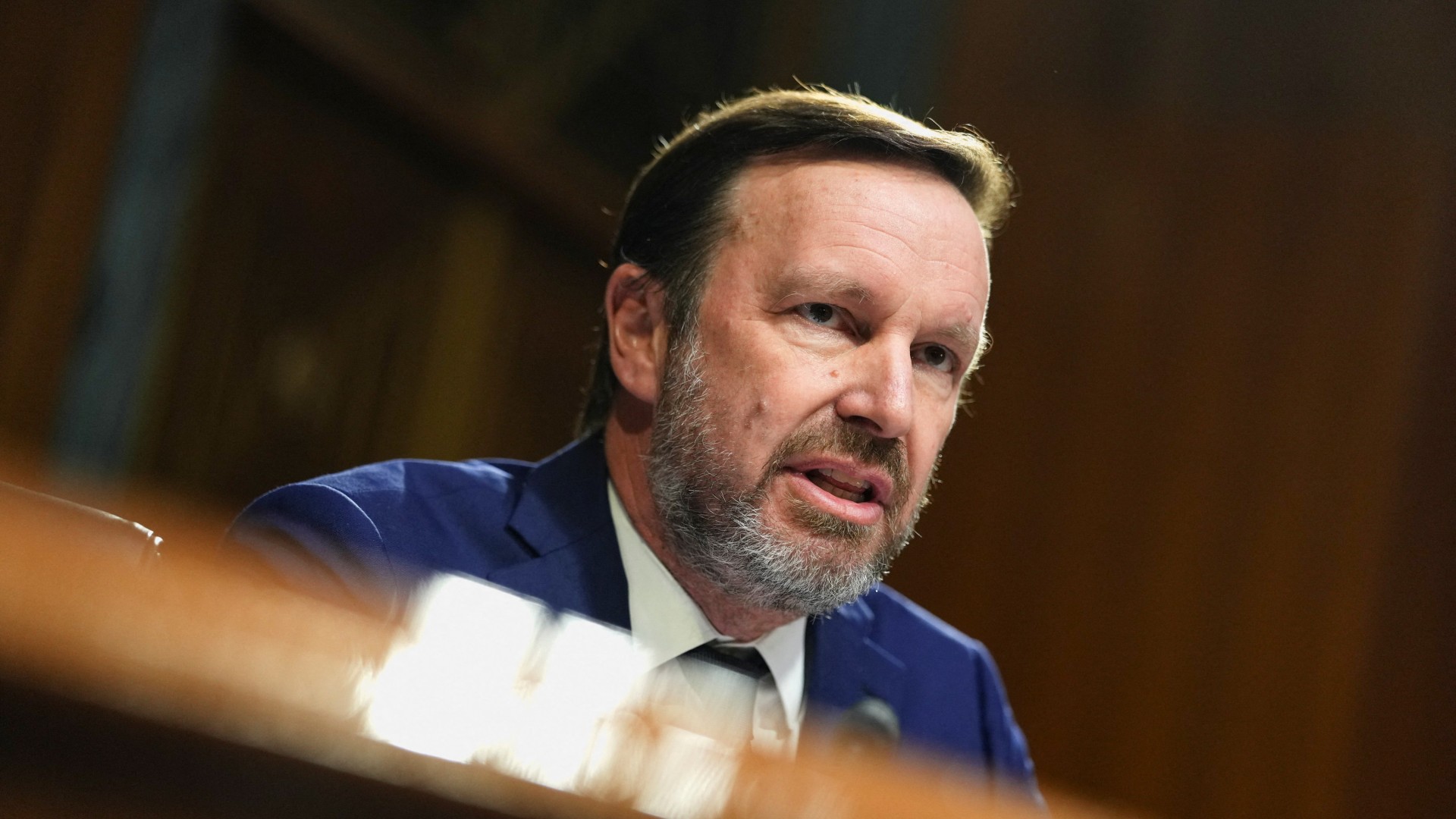
During a Wednesday public event hosted by the Washington, DC-based Middle East Institute, senior Democratic Senator Chris Murphy, a sitting member of both the Senate Foreign Relations and Appropriations committees, issued a scathing condemnation of recently circulated classified US military plans to reignite and expand military operations against Iran in the aftermath of the 3 November US midterm elections. Murphy, who made history earlier this month as the first Democratic senator to tour the Middle East since the US-Israeli conflict with Iran broke out on 28 February, did not mince words when describing the operational blueprint he was briefed on. “You’ve heard previews framing this as a short, contained mission. I will state plainly: this plan is insane,” he told attendees. “It will trigger a catastrophic regional escalation and almost certainly dismantle decades of U.S. commitments to global rule of law norms.” The senator’s remarks came on the heels of a Wall Street Journal investigative report confirming that US diplomatic and military channels had issued formal alerts to multiple Gulf Arab partner states to prepare for a sharp, intense wave of new strikes targeting Iranian assets, designed to degrade Tehran’s military capabilities and coerce it into returning to negotiating tables. The WSJ’s on-the-record sourcing from senior defense officials, cross-referenced with flight tracking data, reveals a massive ongoing military build-up across the Middle East theater: US forces have been restocking ammunition stockpiles at regional bases, long-range bomber fleets and tactical fighter jets are on active operational standby for deployment, a Patriot air defense system has been redeployed from Texas to Israel to bolster local air defense networks, and an additional aircraft carrier strike group paired with a Marine expeditionary unit is scheduled to arrive in the region next month, joining the more than 20 warships already patrolling nearby waters. Parallel to these force movements, the US State Department has ordered a second round of staff drawdowns at regional diplomatic posts, and active evacuations of military personnel and diplomatic staff from high-risk outposts have been ongoing for weeks. Murphy, who held high-level bilateral meetings during his regional tour with Qatar’s Emir Sheikh Tamim bin Hamad Al Thani and Saudi Crown Prince Mohammed bin Salman, as well as receiving multiple classified briefings from frontline military commanders, painted a grim picture of existing US operational vulnerabilities that official Pentagon communications have largely omitted. He disclosed that the key US military installation in Bahrain has been rendered completely non-functional after sustained attacks, while the major US base in Qatar is operating at a severely reduced capacity, and the US currently lacks sufficient defensive capabilities to reliably protect deployed troops or diplomatic personnel across the theater. He went further to accuse the Trump administration of orchestrating an unprecedented, coordinated cover-up to hide the full human, financial and strategic costs of the eight-month-old ongoing conflict with Iran from both Congress and the American public. The latest Pentagon update submitted to Congress last week pegged cumulative US spending on the campaign through 16 October at $47.1 billion, a sharp jump from the $37.5 billion figure cited by US Secretary of War Pete Hegseth only weeks earlier, with more than 60% of that total allocated to expenditures on bombs, missiles and other ordnance. Multiple administration insiders confirmed to major US media outlets that while President Donald Trump has not signed a final formal authorization for the new offensive, he has expressed strong inclination to approve a large-scale strike package that would target Iranian civilian infrastructure and potential nuclear sites. At a recent campaign rally in Florida, Trump openly referenced the possibility of launching what he called another “little Epic Fury,” the official internal military codename for the ongoing US campaign against Iran. Murphy emphasized that the vast majority of American voters are already deeply frustrated with the prolonged conflict, and that launching a new large-scale military operation immediately after the midterms would be just as legally questionable as the initial 28 February intervention, and would extend hostilities in a way that inflicts irreversible harm on core US national security interests.
US senator briefed on Trump’s plans to restart Iran war says proposal is ‘insane’