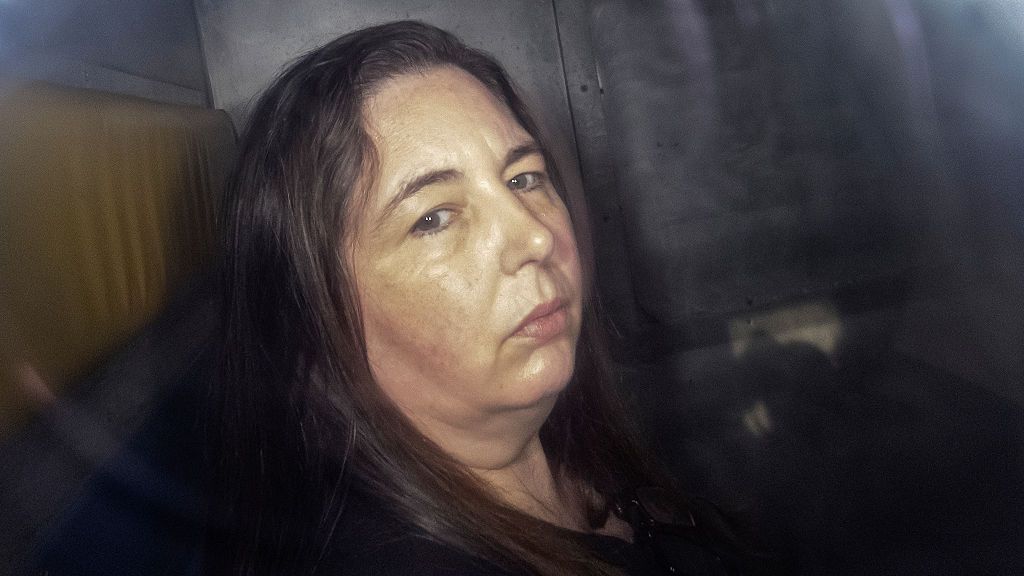
A high-profile Australian legal chapter reached a landmark conclusion this week, as 51-year-old Erin Patterson, the woman infamously dubbed the “mushroom murderer” for a 2023 fatal poisoning incident, saw all her appeal efforts quashed by Victoria’s highest appellate court, with a three-judge panel ruling that she will never be eligible for release from prison for her crimes. The original 2024 jury verdict found Patterson guilty of three counts of murder and one count of attempted murder, after she laced a home-cooked beef Wellington lunch with deadly death cap mushrooms at her rural Victorian residence. The fatal victims were her in-laws Don and Gail Patterson, along with Gail’s sister Heather Wilkinson; the sole survivor, Ian Wilkinson — a local pastor and Heather’s husband — spent weeks in intensive care and continues to live with permanent, debilitating health complications stemming from the mushroom toxin. Court records show Patterson’s estranged husband Simon Patterson, who was also invited to the fateful lunch, avoided the gathering at the last minute, acting on long-held suspicions that his wife had repeatedly attempted to poison him over a period of years. The initial sentence handed down in September 2024 imposed a life term with a 33-year non-parole window, a decision the original trial judge justified by citing the harsh, targeted conditions Patterson would face in custody as a high-profile convicted killer. Patterson’s legal team lodged an appeal shortly after the sentencing, laying out seven separate grounds to challenge the verdict and penalty. The defence claimed a logistical error that placed the jury in the same hotel accommodation as prosecution staff, a lead police witness, and members of the press during the original trial had catastrophically compromised the proceedings’ fairness. They also argued that evidence including cell tower location data placing Patterson in areas known for wild death cap mushroom growth, and personal Facebook posts where she complained about her in-laws, was irrelevant and unfairly prejudicial to their client, while the trial judge had improperly excluded evidence that would have corroborated Patterson’s longstanding, legitimate hobby of recreational mushroom foraging. Additional defence arguments claimed the prosecution’s five-day cross-examination of Patterson was excessively oppressive and unfair, and that the Crown had presented inconsistent, contradictory narratives regarding her alleged motive for the killings. In their Friday ruling, the three-judge panel of the Victorian Court of Appeal rejected every single one of the defence’s seven appeal grounds, and went a step further by siding with the prosecution’s submission that the original 33-year non-parole period was far too lenient. Presiding Justice Peter Kidd, speaking on behalf of the full panel, stated that Patterson’s offences were marked by extraordinary cold calculation and shocking, unprecedented criminality that demanded the strongest possible judicial denunciation, making any fixed non-parole period entirely inappropriate. The ruling eliminates the possibility of Patterson ever walking free, scrapping the original 2056 date where she would have first been eligible to apply for parole. Patterson now has a 28-day window to file a further application for special leave to appeal the verdict to the High Court of Australia, the nation’s supreme judicial body.
Australian mushroom murderer loses appeal to overturn convictions and gets harsher sentence