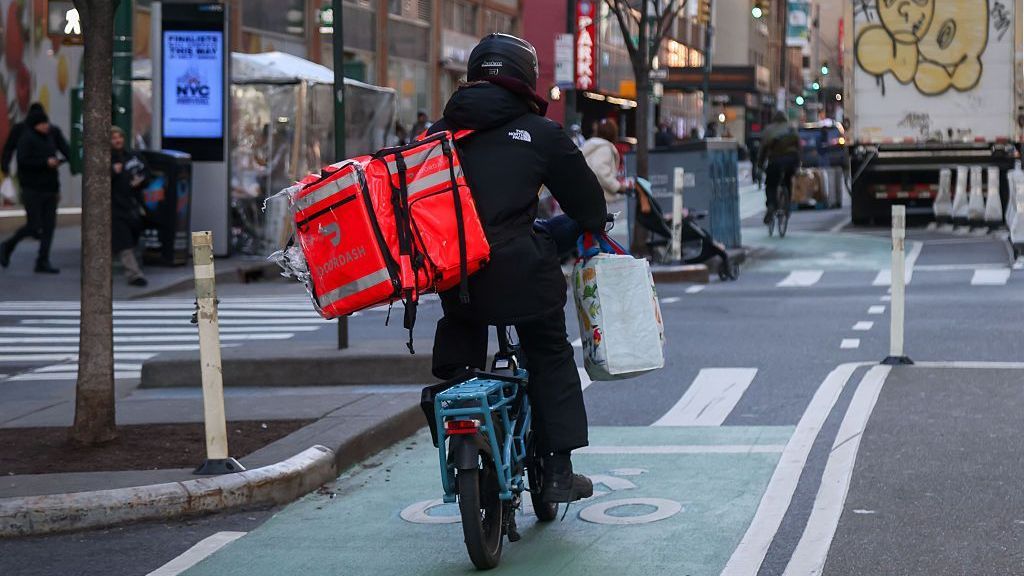
In a landmark $17 billion transaction that reshapes the North American on-demand delivery landscape, food delivery heavyweight DoorDash has announced plans to purchase dedicated grocery delivery firm Instacart, creating a combined industry behemoth positioned to compete directly with e-commerce titan Amazon for a larger share of the fast-growing online grocery and convenience retail market.
Priced at $65 per share, the offer represents a 26% premium over Instacart’s October 22 closing price, the final trading day before preliminary merger rumors began circulating, with at least 75% of the total transaction value to be paid out in cash. The deal, DoorDash’s largest acquisition in its corporate history, is projected to receive regulatory approval and close no earlier than late 2027 or the first half of 2028. Until the transaction is formally finalized, both brands will retain full operational independence, with Instacart’s existing consumer app, proprietary technology suite, and public-facing brand identity set to remain intact following the close.
Leadership from both firms framed the merger as a mutually beneficial play to expand consumer access and streamline operational capabilities. Instacart CEO Chris Rogers noted that the combined network will expand the total number of retail locations available to Instacart’s shopper base from 100,000 to 150,000, building on 14 years of the company’s work to help small and large grocery retailers compete in the digital space. Rogers added that the unified entity would accelerate industry-wide innovation to make online grocery ordering more seamless and cost-effective for millions of households across the region.
DoorDash co-founder and CEO Tony Xu emphasized that the acquisition would leverage Instacart’s years of specialized expertise in perishable item selection, personalized product substitution, and cold-chain logistics – a set of niche capabilities widely recognized as among the most complex challenges in e-commerce, from selecting perfectly ripe produce to ensuring frozen goods arrive fully intact. Xu noted that this specialized grocery knowledge would pair perfectly with DoorDash’s existing last-mile delivery infrastructure and local merchant technology platform, allowing the company to expand far beyond its core restaurant delivery roots into full-service grocery, convenience, and general retail order fulfillment.
Market analysts widely point out that the merger arrives as the once-booming restaurant delivery segment enters a mature, slower-growth phase, with new industry expansion now concentrated in higher-value, higher-frequency order categories including weekly full-service grocery runs and on-demand convenience purchases. Morningstar industry analyst Martin Szumski confirmed this shifting market dynamic, noting that the combined scale of the two firms would position them to capture a far larger share of these high-margin order verticals.
However, the high-profile merger already faces early scrutiny from regulatory and labor oversight bodies. New York City’s Department of Consumer and Worker Protection, which secured a $131.5 million settlement against DoorDash just last month over widespread allegations of delivery worker wage theft, released a public statement criticizing the deal as part of a troubling pattern of excessive consolidation among large on-demand delivery corporations. The agency confirmed it would continue full enforcement of all delivery worker labor protections regardless of the merger’s final outcome, while industry observers widely anticipate extended antitrust review from federal regulators to assess whether the combined entity would reduce market competition and harm consumer pricing options.