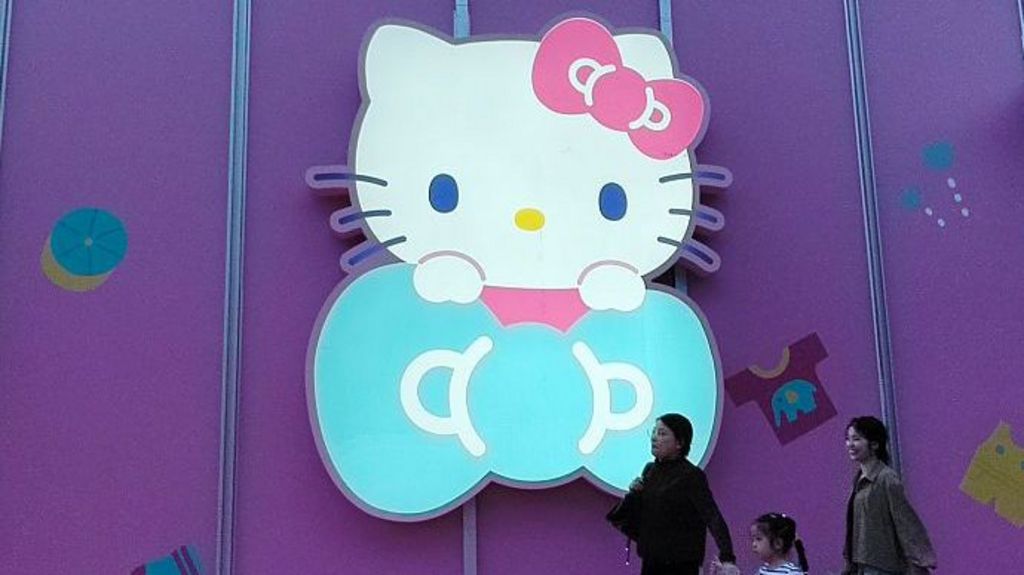
Global character licensing giant Sanrio, the Japanese entertainment firm behind world-famous IP including Hello Kitty, My Melody and Cinnamoroll, has formally issued a public apology and immediately severed all ties with the popular Japanese spy thriller series *Vivant*, following widespread public and state media pushback across China. The backlash erupted after Sanrio launched co-branded merchandise that dressed its iconic cute characters in costumes modeled after roles from the second season of *Vivant*, a 2024 summer premiere installment that depicts Chinese intelligence operatives inflicting graphic torture on a Japanese field agent, including acts of finger amputation and abdominal stabbing. Chinese state broadcasters such as CCTV and leading state-run tabloid *Global Times* have condemned the show’s narrative as a deliberate distortion of historical facts, noting that the brutal torture tactics portrayed closely mirror the atrocities committed by Japanese invading forces against Chinese civilians during World War II. The *Global Times* further warned that Sanrio risked eroding decades of accumulated consumer trust and emotional connection with its massive Chinese fanbase, far beyond any temporary revenue gains from the collaboration, explicitly stating that the beloved Hello Kitty IP “should not dance with Japan’s right wing.” In an official late Wednesday statement, Sanrio confirmed it had axed the partnership after an internal review found the show’s content included elements fundamentally misaligned with the company’s longstanding core values. The firm emphasized that since its founding, all its character properties have been designed to spread messages of mutual care, cross-cultural connection, and its overarching corporate mission to nurture harmony between people of all nationalities. Sanrio added that it has taken public feedback on the incident extremely seriously, and will implement significantly tightened multi-layer review protocols for every future cross-brand collaborative project to prevent similar missteps. The controversy unfolds against a backdrop of sharply deteriorated China-Japan diplomatic relations, which have fallen to their lowest ebb in multiple years after Japanese Prime Minister Sanae Takaichi made remarks in parliament last November suggesting Tokyo would deploy its Self-Defense Forces in the event of a hypothetical Chinese military action against Taiwan. Since those comments, Beijing has rolled out a series of retaliatory measures targeting Tokyo, including restricted rare earth export quotas, curbs on inbound Chinese tourism to Japan, and the early repatriation of all giant pandas on loan to Japanese zoos. Adding further fuel to public sentiment, Takaichi publicly noted earlier this month that she had recorded full episodes of *Vivant* and planned to binge-watch the series during the year-end holiday break. The Tokyo Broadcasting System (TBS), the network that produces and airs the hit thriller, released a separate statement from its president Masamine Ryuho on Wednesday, defending the show as a completely fictional creative work with no intention to disparage any sovereign nation. The Sanrio controversy is not an isolated incident of international brands and public figures facing consumer backlash in China in recent days: earlier that week, multiple major Chinese domestic brands had cut their endorsement contracts with star French footballer Kylian Mbappé after he made widely condemned remarks referencing late Chinese leader Mao Zedong, for which the athlete later issued a formal public apology.