After a four-year delay triggered by global COVID-19 pandemic disruptions, the highly anticipated 2026 Youth Olympic Games are poised to make history as the first Olympic-branded competition ever held on the African continent, kicking off in Senegal on 31 October and running through 13 November across three host locales: Dakar, Diamniadio, and Saly.
Organized under the auspices of the International Olympic Committee (IOC), this elite multi-sport gathering caters primarily to athletes aged 15 to 17, drawing an estimated 2,700 participants to contest 153 official medal events across 25 core sports, alongside 10 non-medal engagement sports designed to drive local community participation. Launched in 2010 with its inaugural edition in Singapore, the Youth Olympics blend core elements of the senior Olympic Games with innovative additions including emerging urban sports, mixed-gender competitive formats, and immersive cultural programming, with subsequent editions hosted in Nanjing, China (2014) and Buenos Aires, Argentina (2018). A long roster of Youth Games alumni have gone on to claim top podiums at the senior Olympics: South African swimmer Chad le Clos and British taekwondo champion Jade Jones both competed at the 2010 Singapore event before earning gold at the 2012 London Games, while American sprint star Noah Lyles secured a 200m Youth Olympic title in Nanjing before taking 100m gold at the 2024 Paris Olympics.
IOC senior official Christophe Dubi emphasized the event’s transformative significance for the entire African continent, noting that while Africa has hosted countless global sporting competitions, this marks the first time the iconic five Olympic rings have been formally affixed to a major multi-sport event on local soil. Thierno Cisse, Deputy Chief Operating Officer of the Dakar 2026 Local Organising Committee (LOC), echoed that sentiment, stating that Senegalese citizens across the nation are stepping into the role of continental ambassadors to demonstrate that Africa can deliver world-class Olympic standard operations. The Games also carry a unique connection to the highest levels of Olympic leadership: Zimbabwe’s Kirsty Coventry, who made history last year as the first woman and first African ever elected IOC President, previously served as chair of the Dakar 2026 coordination commission.
Against the backdrop of widespread youth unemployment across Africa, the world’s youngest demographic continent, organizers have structured the event to deliver tangible, long-term community benefits rather than operating as a standalone sporting spectacle. Over 400 young African trainees have already completed specialized certification in event operations, logistics, digital technology, athlete accreditation, and venue management, with additional projected gains spanning local employment growth, expanded tourism revenue, expanded volunteer networks, and sustained skills development for regional youth cohorts. A deliberate choice to prioritize renovation and adaptive reuse of existing public facilities, rather than constructing costly purpose-built venues from scratch, ensures that post-Games infrastructure will continue to serve local communities for decades. Competition venues are spread strategically: Dakar’s historic Iba Mar Diop complex will host athletics, rugby sevens, and futsal, while the waterfront Tour de l’Oeuf complex will stage swimming, 3×3 basketball, breaking, skateboarding, and the newly debuted Baseball5. Diamniadio, the newly developed urban hub southeast of Dakar, serves as the Games’ operational core, with the 50,000-capacity Abdoulaye Wade Stadium hosting the opening and closing ceremonies alongside archery competitions, and the Dakar Expo Centre housing gymnastics, fencing, table tennis, judo, and Wushu Taolu events. The Atlantic coastal town of Saly will host sailing, triathlon, beach handball, and coastal rowing competitions along its scenic shoreline.
The 2026 Dakar Games will also see three sports make their Youth Olympic debut: Baseball5, a no-equipment urban simplified iteration of traditional baseball that will kick off competition a day ahead of the opening ceremony on 30 October; Wushu Taolu, a competitive modern Chinese martial art focused on choreographed performance sequences; and skateboarding, whose local popularity has surged since Senegal opened its first public skate park in Dakar’s Ngor neighborhood in 2022. Nineteen of the 25 core medal sports featured at Dakar 2026 were also contested at the 2024 Paris Olympics, with the full event marking the first Youth Olympic Games to achieve full gender parity across all competitive events.
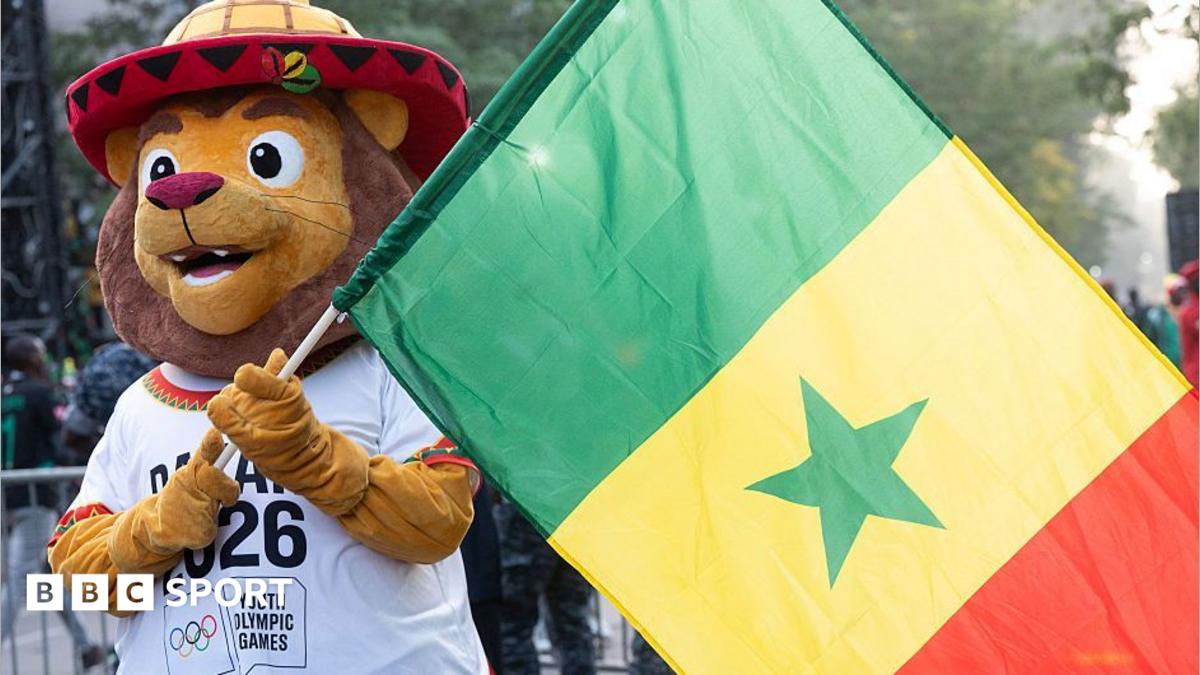
Deeply rooted in local Senegalese and pan-African cultural heritage, the Games’ official identity leans heavily on regional symbolism: the event mascot Ayo, a young lion whose name derives from a Yoruba word meaning “joy,” was designed by a local student, while the competition medals feature a lion on one face and a baobab tree on the other to represent African heritage, resilience, and intergenerational longevity. The official theme song “Teranga” — named for the Wolof term for “hospitality” — is performed by celebrated Senegalese artist Mamy Mbaye, and the athletes’ village hosts immersive cultural workshops teaching traditional sabar and djembe drumming and dance. The Olympic flame, originally lit in Athens on 10 September, arrived in Dakar two days later and has since traveled more than 3,600 kilometers across all 14 of Senegal’s administrative regions, carried by 450 torchbearers across 30 relay stages ahead of the opening ceremony cauldron lighting.
A star-studded roster of sporting icons has been recruited to support the event’s mission, including Nigerian wrestling Olympic medalist Blessing Oborududu, Algerian gymnastics champion Kaylia Nemour, Senegalese men’s national football team captain Kalidou Koulibaly, and Kenyan marathon legend Eliud Kipchoge. Kipchoge has taken on a dedicated mentorship role for the historic first-ever refugee athlete team to compete at a Youth Olympic Games: six young athletes selected through East African trials and development programs, who will compete in athletics, judo, and taekwondo while receiving dedicated education and mental wellbeing support.
While neither the LOC nor IOC has released a full finalized total budget figure, the Senegalese government has committed a minimum of $60 million under the host contract, with additional infrastructure loans estimated to reach $90 million for long-term sporting facility upgrades; the 50,000-seat Abdoulaye Wade Stadium, completed in 2022, carried a reported construction cost of $270 million. Organizers have emphasized that the event’s true value should be measured not by its price tag, but by its lasting legacy: expanded access to underrepresented sports across the continent, the discovery of new generations of African athletic talent, and a reimagining of the Olympic movement through a distinctly African cultural lens.