Across the vast cultural landscape of India, millions of people have gathered to celebrate Dussehra, one of Hinduism’s most geographically widespread and deeply cherished annual festivals. Marked by vibrant processions, solemn prayer rituals, and the iconic ceremonial burning of towering effigies, the core theme of the festival unites diverse communities around the timeless message of righteousness prevailing over wickedness.
Rooted in the Hindu lunar calendar, Dussehra falls on the tenth day following Navratri, a nine-night observance of worship and communal celebration. While the overarching theme of good versus evil remains consistent across every region of the country, local traditions have shaped distinct, colorful celebrations that reflect the diversity of India’s cultural heritage.
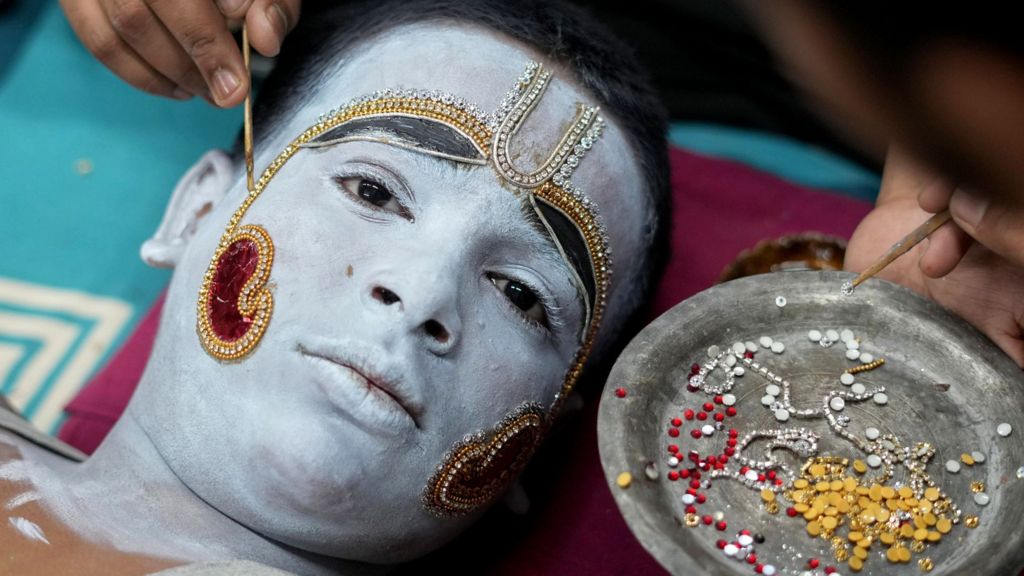
In northern India, the weeks leading up to the main holiday are filled with Ramlila, a beloved dramatic tradition that retells the story of the ancient Hindu epic Ramayana. Performers don intricate costumes and detailed makeup to bring the epic’s iconic characters to life, walking audiences through Lord Ram’s years of exile, the abduction of his wife Sita by the ten-headed mythological king Ravan, and the climactic battle that ends with Ravan’s defeat. Following the final act of the performance, communities gather for the ritual burning of giant effigies of Ravan, his brother Kumbhkaran, and his son Meghnath. These events take on a carnival-like atmosphere, with food vendors selling local specialties, amusement rides, and smaller side performances drawing families and crowds of all ages. Ahead of the main event, smaller, handcrafted effigies of Ravan are a common sight in local markets across northern Indian cities including Delhi, as residents prepare for their community celebrations.
In eastern, southern, and other parts of India, as well as among Hindu communities in neighboring Bangladesh, Dussehra coincides with Vijayadashami, a celebration that centers on honoring Goddess Durga’s victory over the buffalo demon Mahishasura, an event that also celebrates the triumph of divine good over evil. For this regional observance, artisans spend weeks crafting detailed clay idols of Goddess Durga, and temporary decorated enclosures called pandals are erected across cities and towns to house the sacred idols. Kolkata, in particular, is globally renowned for its elaborate Durga Puja celebrations, where pandals are often designed with creative, theme-based decorations that weave contemporary current affairs into traditional religious observance. Devotees visit the pandals over the course of the festival to offer prayers, with the sacred Sandhi Puja ritual marked by the lighting of hundreds of oil lamps at the auspicious intersection of the ninth and tenth days of the festival.
Beyond these core traditions, other regional customs add to the richness of the celebration. In Gujarat, traditional community dances like Garba are a central part of the nine-day Navratri observance leading up to Dussehra. Across south Indian cities including Bengaluru, local flower markets bustle with activity as shoppers purchase marigolds, which are widely associated with the festival as a natural symbol of good’s victory over evil. Farmers harvest these bright, fragrant blooms in bulk ahead of the holiday to meet demand.
As Dussehra draws to a close, it also marks the official start of preparations for Diwali, the widely celebrated Festival of Lights, which takes place exactly 20 days after Dussehra each year, extending the season of communal celebration across the country.