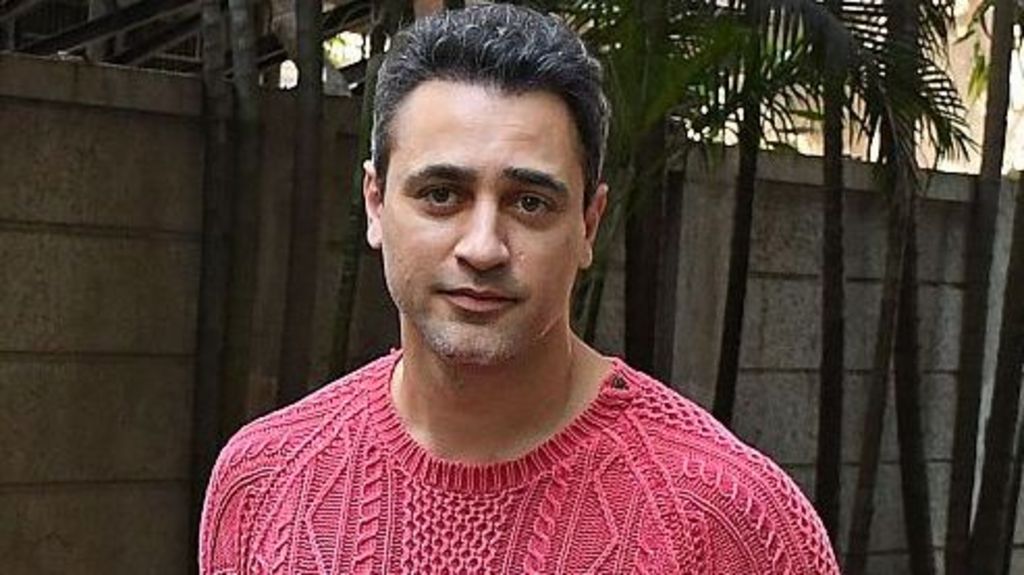
A high-profile Bollywood actor has found himself at the center of a growing political controversy in India after authorities ordered him to leave the country by the end of October, following his participation in a youth-led demonstration demanding sweeping electoral reforms. Imran Khan, the American-born nephew of legendary Bollywood star Aamir Khan, holds an Overseas Citizen of India (OCI) card, a status that grants people of Indian descent visa-free travel and long-term residency in the country, but bars them from voting or running for public office. The order comes after Khan was briefly detained by Mumbai police on October 10 while joining a mass protest at the city’s August Kranti Maidan, organized by the GenZ-driven Cockroach Janta Party (CJP). The CJP movement has spent days holding demonstrations across India, calling for the resignation of Chief Election Commissioner Gyanesh Kumar over unproven allegations of systemic vote fraud — claims India’s national election commission has repeatedly denied. In an official statement released Thursday, police confirmed that the Foreigners’ Regional Registration Office (FRRO) had served Khan a notice alleging he violated domestic laws by joining the protest, noting that the actor is not an Indian citizen. The complaint that triggered legal action against Khan was filed by Kirit Somaiya, a senior leader of India’s ruling Bharatiya Janata Party (BJP), who accused the actor of being part of a deliberate conspiracy to destabilize the country and spread public anarchy. Khan has not directly responded to Somaiya’s conspiracy allegations, but he spoke publicly to reporters shortly after his detention to defend his right to participate in the demonstration. “I don’t have personal demands. I’m here as a person who lives in this city,” he told reporters, adding, “I’m here to see why freedom of movement is being restricted, why people’s voices are being suppressed.” He also clarified that he attended the protest as an individual, not as a representative of any political or activist group. After his brief detention, Khan shared a lighthearted photo of himself inside a police detention van on his personal Instagram page, captioned “Apparently I’m going for a drive.” The post quickly went viral, earning more than two million likes from his social media followers. Khan’s legal team has announced plans to immediately challenge the deportation order at the Bombay High Court, arguing that no existing Indian law or OCI cardholder regulation explicitly bars non-citizen residents from participating in peaceful public protests. The petition filed against the Mumbai police notice calls the government action “drastic,” according to reports from India’s leading national news agency Press Trust of India. The controversy unfolds as Khan makes a highly anticipated return to acting this year, more than a decade after he stepped back from the Bollywood industry. His new project, a Netflix original film titled *Adhure Hum Adhure Tum*, marks his first lead role since his breakout 2008 hit romantic comedy *Jaane Tu… Ya Jaane Na*. Khan first entered the public eye as a child actor in the late 1980s and early 1990s, appearing in iconic Bollywood films including 1988’s *Qayamat Se Qayamat Tak* and 1992’s *Jo Jeeta Wohi Sikandar*, before making his lead debut in 2008. He went on to star in a string of popular films over the following years, including *I Hate Luv Storys*, *Mere Brother Ki Dulhan* and *Delhi Belly*. The CJP-led protest movement has gained significant traction across India in recent weeks, particularly among young voters, ahead of crucial upcoming state elections. Over the weekend, thousands of demonstrators marched in Delhi, Mumbai and other major urban centers to back the CJP’s demands for election commission leadership changes. On Monday, senior leaders of India’s main opposition parties — including Congress Party MP Rahul Gandhi — led a mass protest march from Delhi’s central Connaught Place district to the country’s Supreme Court. Earlier this week, two top CJP leaders were arrested on allegations of trespassing at a Delhi protest site, and were subsequently sentenced to five days in jail. The movement has already announced plans for another mass demonstration in the national capital Friday evening, as pressure for electoral reform continues to build.