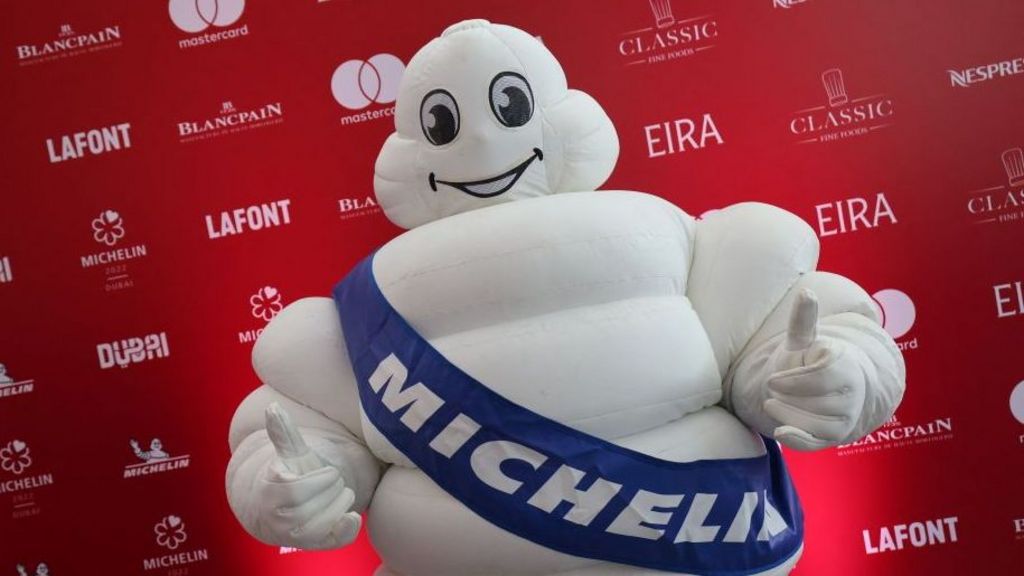
After more than a century of the Michelin Guide’s existence and years of failed efforts to bring the iconic restaurant ranking system to Australian shores, the country has officially earned its first set of Michelin stars. In the guide’s inaugural Australian selection, 11 dining venues across South Australia have been granted the prestigious culinary distinction.
Magill Estate Restaurant, located in the leafy Adelaide suburb of Rosslyn Park, stands as the only Australian venue to claim two Michelin stars in this debut round. Ten additional restaurants across the state took home one star each, ranging from McLaren Vale’s Maxwell Restaurant to Arkhé, a Norwood eatery famous for its signature open-fire cooking techniques. Aptos, a Stirling-based restaurant that centers its tasting menu around native Australian ingredients, also secured a one-star ranking alongside other standout spots including Anvers Restaurant in Kangarilla, Botanic in Adelaide, Esmay in Hackney, Aurora at Ila in Adelaide, Hentley Farm in Seppeltsfield, LVN Restaurant at Bird in Hand in Woodside, and Skillogalee Barrel House in Sevenhill. Beyond the starred selections, the expanded debut guide features more than 70 additional South Australian restaurants, with a number recognized through the Bib Gourmand program, which highlights establishments serving high-quality food at approachable, moderate price points.
According to Australia’s national public broadcaster ABC, the historic ranking is only limited to South Australia because the state’s government funded the deployment of Michelin’s iconic incognito food inspectors to assess local venues. The breakthrough deal comes after years of stalled negotiations to bring the guide to Australia: Michelin first approached the national Tourism Australia body in 2016 to propose a launch in the country, but the national tourism authority ultimately rejected the plan. Undeterred, South Australia chose to pursue an independent partnership with Michelin, with the core goal of boosting international tourism to the region. While the state government has not publicly disclosed the total cost of the agreement, Tourism Minister Emily Bourke defended the public investment in an interview with ABC.
Bourke emphasized the long-term strategic value of the partnership, noting: “It is enabling us to create a tourism destination and put us on the world map.”
This launch follows closely on the heels of Michelin’s 2024 expansion into neighboring New Zealand, which became the first Oceania destination to join the Michelin Guide network when it signed a three-year agreement worth NZ$6.3m (£2.7m; $3.5m) to secure the inclusion of its local dining scene.
Few international honors carry as much weight in the global culinary industry as Michelin stars, but the ranking system traces its origins to a very different industry goal. The guide was first launched in 1900 by French brothers Andre and Edouard Michelin, the founders of the global tyre manufacturing giant that shares their name. Originally, the publication was designed to encourage road travel among early motorists, which would in turn drive demand for car tyres – the company’s core product. The early guide provided drivers with road maps and recommendations for accommodation and dining stops along popular routes, and gradually evolved over more than a century into the most respected global restaurant recognition system. The star ranking system was first introduced in 1926, and has remained the gold standard for culinary excellence ever since. Under the current ranking framework, one star recognizes consistently high-quality cooking, two stars mark excellent cuisine that is worth traveling out of the way to experience, and three stars are reserved for one-of-a-kind exceptional cuisine that warrants a dedicated special trip.