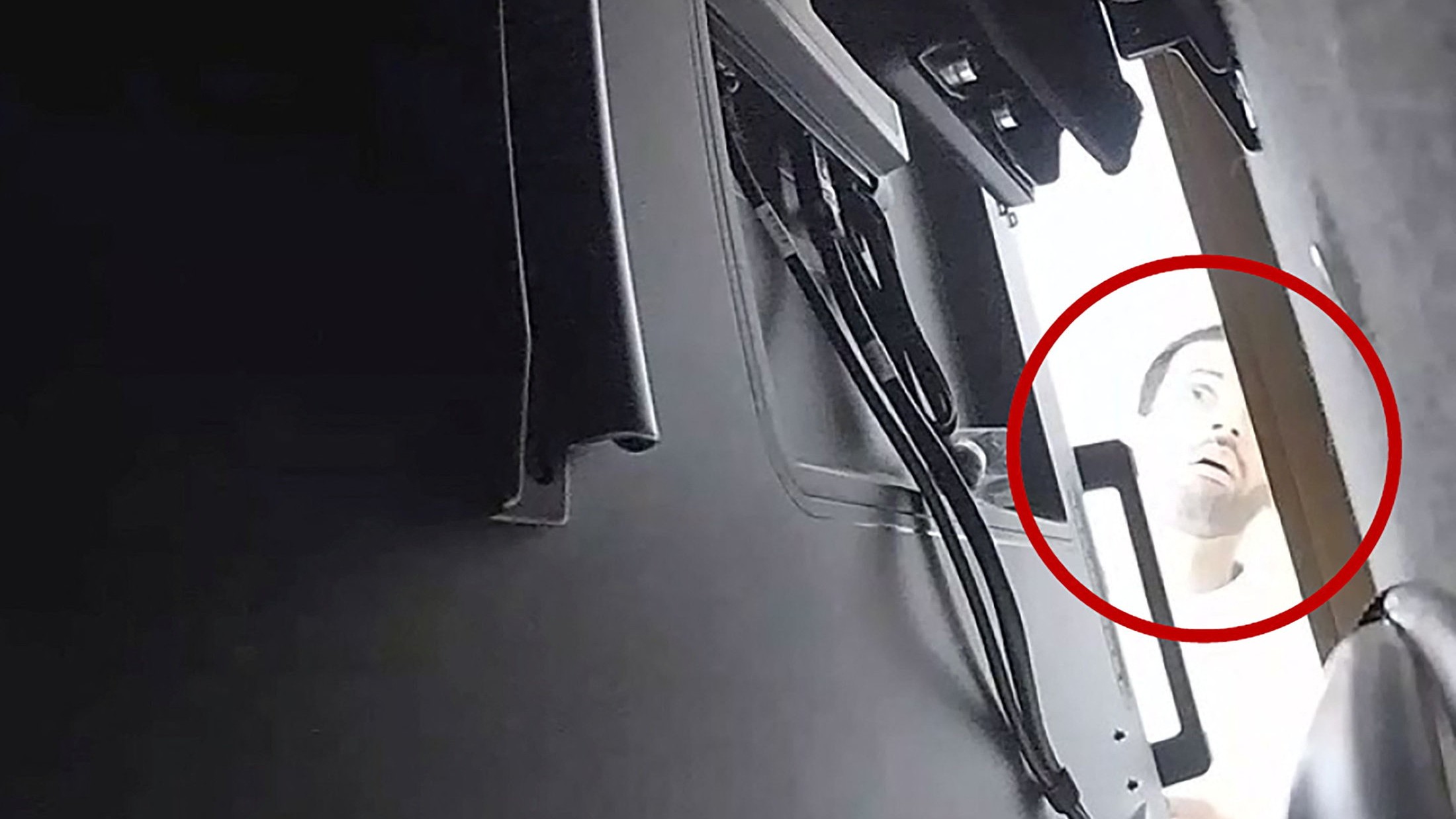
A high-stakes national security case has emerged around one of the world’s most influential artificial intelligence firms, after U.S. federal prosecutors filed criminal charges against a former OpenAI engineer accused of sneaking a hidden recording device into the company’s top-level executive conference room. The incident has amplified already urgent conversations about protecting sensitive AI development as global competition for advanced artificial intelligence technology intensifies.
The U.S. Department of Justice announced the charges this week, confirming that federal law enforcement agents arrested 35-year-old Abdulrahman Alfozan, a Saudi national and legal permanent U.S. resident, last week. Alfozan made his first formal court appearance at a federal hearing on Tuesday, with the case moving rapidly through the judicial system amid heightened scrutiny of AI sector security.
Court documents from the Federal Bureau of Investigation lay out the timeline of the alleged surveillance plot. Alfozan joined OpenAI as an engineer in July 2025, and investigators say he planted the custom recording device approximately two months after starting his role, around September 28. The thumb-sized device, equipped with both a microphone and camera, was concealed inside a roll of toilet paper and connected to an available USB port behind a mounted television in OpenAI’s San Francisco executive meeting space. Company staff discovered the covert device just two days later, on September 30. All data stored on the device remained encrypted, leaving investigators unable to access any recorded content as the probe continues. A second identical custom-built recording device was also seized from Alfozan’s personal bag during searches, according to the complaint.
Beyond placing the device, the FBI alleges Alfozan leveraged an AI productivity tool to gather key details: meeting room schedules, layout blueprints, and technical capabilities of the space he targeted. Once the device was discovered, OpenAI said it used its own proprietary AI models to link the device to Alfozan and trace how it was planted. Internal investigations by the company also uncovered evidence that Alfozan had planned to place additional covert recording devices across other sensitive areas of OpenAI’s office to capture more private executive discussions.
In an official statement posted to X, OpenAI moved quickly to reassure stakeholders that no critical company data had been compromised. “At this time, we have no indications of this individual inappropriately accessing or exfiltrating model weights, source code, or customer data. The employee was terminated immediately following the discovery,” the company said.
FBI Director Kash Patel emphasized the severity of the alleged plot in an official statement, noting that Alfozan “allegedly concealed a covert recording device inside his employer’s executive conference room to secretly capture sensitive communications about the company’s super intelligence technology.” The FBI’s investigation into the incident remains active and ongoing.
Public records show Alfozan has been a legal permanent resident of the United States since September 2020. His public LinkedIn profile lists academic credentials from two of the country’s most prestigious technology programs: the Massachusetts Institute of Technology and the University of California, Berkeley. He is also listed as holding prior engineering roles at two other major U.S. tech firms, Meta and Microsoft. Outlets including Middle East Eye have not been able to independently confirm the accuracy of the details posted to his LinkedIn profile. As of this reporting, Alfozan has not issued any public response to the criminal allegations against him.
If convicted on the current charges, Alfozan faces a maximum sentence of five years in federal prison, a $250,000 fine, and three years of court-supervised release following incarceration.
The case has struck a nerve across the global tech and policy communities, as private companies and national governments around the world pour billions of dollars into a race to develop cutting-edge, next-generation artificial intelligence. With so much economic and strategic advantage riding on breakthroughs in AI, the incident highlights the persistent vulnerability of even the most high-profile AI firms to insider threats and espionage targeting confidential development information.