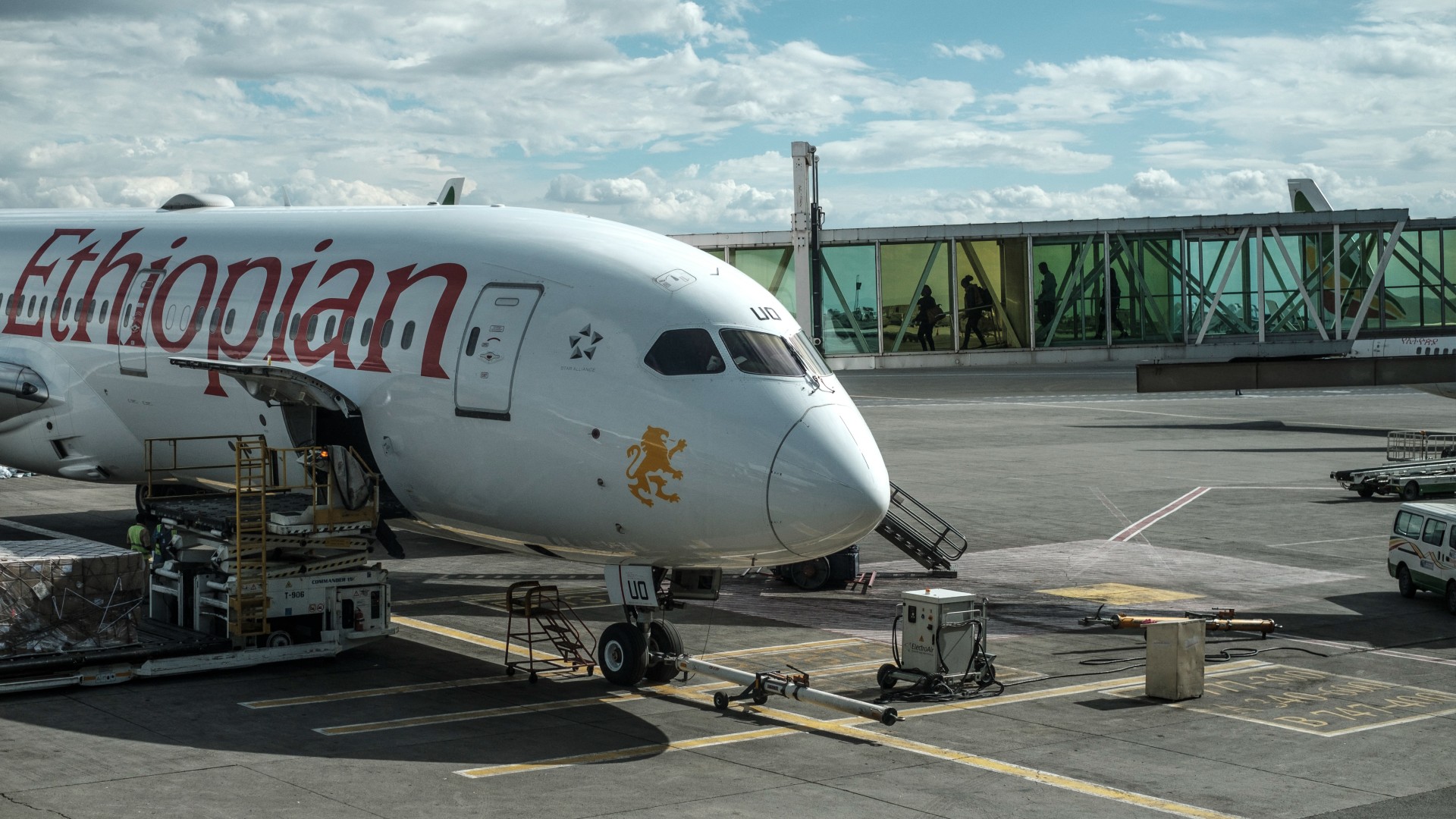
Tightened Israeli security rules for flight crew, implemented after a foiled alleged hijacking plot targeting Ben Gurion Airport earlier this month, have triggered a high-profile disruption involving Ethiopian Airlines, forcing a cargo flight bound for Tel Aviv to turn back to its origin in Addis Ababa mid-journey. The root cause of the diversion? One of the flight’s pilots held Indonesian citizenship, a nationality barred under Israel’s new restrictions that ban crew from countries with no formal diplomatic relations with Israel or classified as hostile from landing in Israeli territory or transiting its airspace. According to Israeli news outlet Ynet, after the aircraft returned to Addis Ababa, the Indonesian pilot was replaced with a crew member from a country whose citizens are eligible to operate flights to Israel. Once the crew swap was completed, the cargo flight resumed its journey and landed safely at Tel Aviv’s Ben Gurion Airport without further incident. TAL Aviation, the official representative of Ethiopian Airlines in Israel, moved quickly to reassure passengers that the single incident would not impact the carrier’s regularly scheduled passenger services between Addis Ababa and Tel Aviv. Notably, Ethiopian Airlines, a major state-owned African air carrier, has maintained its flight operations to Israel throughout the country’s ongoing military campaign in Gaza, which has been widely described as genocidal, as well as recent Israeli strikes targeting Lebanon and Iran. Just ahead of this incident, the airline confirmed plans to ramp up service between its Addis Ababa hub and Tel Aviv to 26 weekly flights. This latest disruption comes less than two weeks after a major security scare involving a Flydubai flight heading to Ben Gurion Airport. In that earlier incident, an Omani co-pilot allegedly attempted to hijack the aircraft and crash it into Israel’s primary international airport. Reports from the incident detail that the plane plummeted 16,000 feet in just 30 seconds after the co-pilot attacked the lead pilot, before a group of Israeli passengers on board intervened and subdued the suspect. The aircraft ultimately diverted and landed safely in Saudi Arabia. Last Friday, United Arab Emirates Attorney General Hamad Saif al-Shamsi publicly confirmed that the Omani co-pilot had pre-planned a suicide attack targeting Ben Gurion Airport. Reuters reported that al-Shamsi added that routine pre-flight security screenings had failed to uncover any signs of extremist beliefs or the pilot’s planned terrorist act. In the wake of that attempted attack, Israeli officials implemented the new sweeping restrictions on foreign crew, rolling out a list of 31 countries whose nationals are barred from operating flights to Israel or crossing Israeli airspace. The rules also extend to crew holding dual nationality that includes any of the listed countries. Since the new policy was announced, Israel’s Transport Ministry has faced growing public criticism over claims it failed to uphold its responsibility to conduct consistent, thorough security checks on incoming flights. The tightened restrictions have also stoked widespread public anxiety across Israel about the nationalities of crew members working on flights entering the country. A recent poll published by Israeli news outlet Mako following the Flydubai incident found that more than 40 percent of Israeli respondents said they prefer to travel exclusively on Israeli airlines, or plan to avoid airlines based in Arab and Muslim-majority countries moving forward.
Israel turns back Ethiopian Airlines cargo flight over Indonesian pilot’s nationality