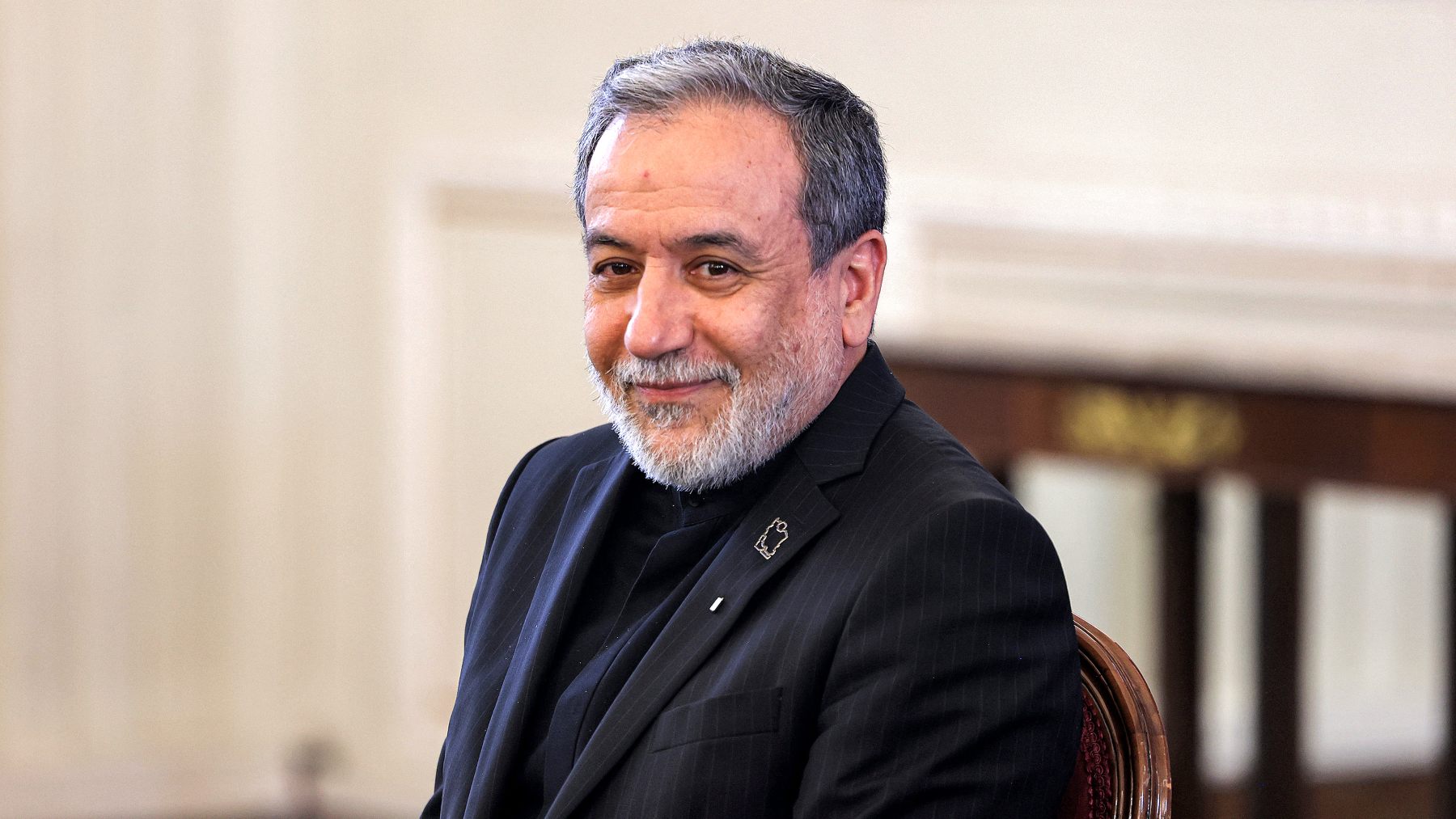
Fresh deadly attacks targeting major Saudi Arabian airports have sent regional tensions soaring, prompting Iran to publicly urge Riyadh to abandon military escalation and pursue a negotiated political resolution to its long-running conflict with Yemen’s Houthi movement, with Tehran offering to mediate talks between the two parties.
The diplomatic outreach took shape during a Sunday phone call between Iranian Foreign Minister Abbas Araghchi and his Saudi counterpart, Prince Faisal bin Farhan Al Saud, according to official statements released by both Saudi state media and Iranian journalistic outlets.
“Insisting on a military approach and disregarding a political solution would only further complicate the situation,” Araghchi stressed during the conversation, adding that none of the ongoing crises across the Middle East could be resolved through military force. He confirmed that Tehran stands ready to support and facilitate negotiations between Saudi leadership and Yemeni stakeholders to reach a durable political settlement.
Iran’s call for dialogue comes in the immediate aftermath of a sharp escalation in Houthi attacks on Saudi territory. On Saturday, a strike on Riyadh’s King Khalid International Airport left 12 people dead and more than 300 others injured, Saudi Arabia’s General Authority of Civil Aviation confirmed. By Monday, the death toll rose to 13 after an injured Indian national succumbed to their wounds, Reuters reported. A separate Houthi attack a day later killed a Pakistani resident and wounded 11 more people, Saudi authorities confirmed.
On Monday, Iranian Foreign Ministry spokesperson Esmaeil Baghaei doubled down on Tehran’s position, telling reporters that the Islamic Republic has no interest in seeing continued hostilities between Saudi Arabia and the Houthis. “We do not want hostilities to continue between two Muslim countries, especially as the region is already facing tensions caused by the United States and Israel,” Baghaei said. He reaffirmed Iran’s longstanding stance that the Yemeni people are entitled to live with dignity, free from external pressure, economic sanctions and the regional blockade imposed on Yemen, and reiterated Iran’s willingness to support a dialogue-led resolution to the crisis.
The escalating attacks have had immediate operational impacts on international travel: multiple major global airlines have suspended flights to the Saudi capital. Lufthansa has canceled all Riyadh services through October 16, while Air France-KLM has extended its suspension of flights to the city through the end of October, Reuters reported.
Houthi military officials have issued a formal warning to aviation firms, shipping operators, airport workers and passengers to avoid all Saudi airports and airspace, with the only exceptions being the airports serving the holy cities of Mecca and Medina. In a Sunday post on X, Houthi military spokesperson Yahya Saree announced that the group’s armed forces were renewing this public warning. “The airports and airspace are exposed to targeting and constitute a theatre of operations for our forces, with the exception of the airports of Makkah and Madina,” Saree said, urging all parties to “take our warnings seriously” and holding Saudi Arabia responsible for any harm resulting from failed interception of Houthi strikes.
The Iran-aligned Houthi movement, officially known as Ansar Allah, has already claimed full responsibility for the Riyadh airport attack, as well as additional strikes on Dammam Airport and facilities operated by Saudi energy giant Saudi Aramco, per Reuters. The Saudi-led coalition that has fought the Houthis in Yemen since 2015 has labeled the deadly Riyadh attack a “full-fledged war crime.”
This diplomatic exchange comes two years after Iran and Saudi Arabia restored full diplomatic relations under a China-brokered agreement, ending a seven-year diplomatic rupture between the two major regional powers. Despite decades of strategic rivalry across the Middle East, the two governments have maintained open diplomatic channels since the 2023 re normalization, creating a framework for this latest outreach over the Yemeni conflict.