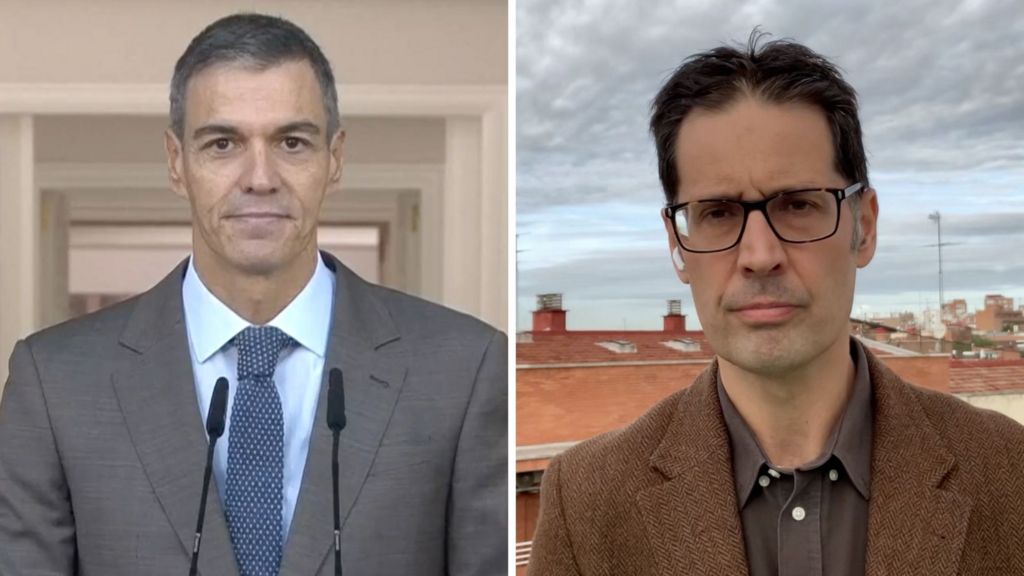
In a move that has reshaped Spain’s political landscape just days after a major legislative setback, the Spanish Prime Minister has called an early national election. The trigger for this sudden decision came on Friday, when the government’s comprehensive package of policy measures designed to address the country’s deepening housing crisis failed to secure enough support to pass in parliament.
Spain has been grappling with a growing housing affordability crisis for years, driven by soaring rental prices, limited affordable housing stock, and stagnant wage growth that has left thousands of households struggling to secure stable accommodation. The Prime Minister’s administration had framed the proposed housing measures as a landmark intervention to curb excessive rent hikes, boost social housing construction, and provide relief to low-income families. The bill included provisions such as caps on annual rent increases for existing tenancies, tax incentives for developers who build affordable housing, and expanded government subsidies for first-time home buyers.
However, opposition parties and even some minority coalition partners rejected the proposal, citing disagreements over the scope of rent controls and concerns that the measures would discourage private investment in the housing sector. When the vote was held on Friday, the legislation fell short of the required majority, dealing a significant blow to the government’s domestic policy agenda. Unable to secure cross-party support for its core economic and social priority, the Prime Minister made the decision to dissolve parliament and call a snap election, allowing voters to weigh in on the direction of the country and break the parliamentary deadlock.
Political analysts note that the early election will create a period of short-term political uncertainty, but it also presents an opportunity for the electorate to deliver a clear mandate on how to address the housing crisis and other pressing national issues. The election date is expected to be announced in the coming days, with campaigns already beginning to take shape as parties position themselves ahead of what is likely to be a tightly contested vote.