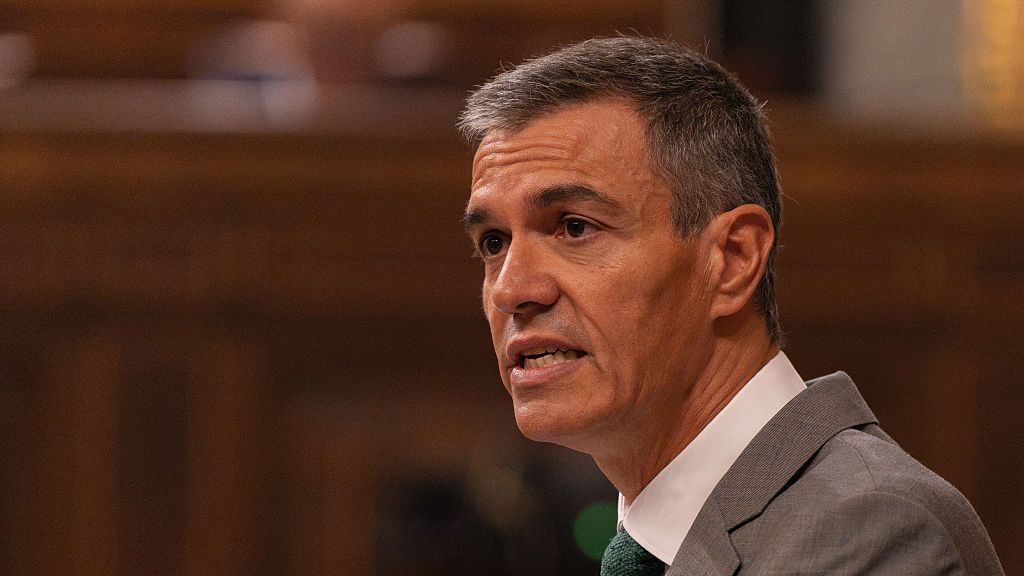
Spain has been thrown into a sudden political upheaval after Prime Minister Pedro Sánchez announced an early general election will be held on November 29, just days after his left-wing coalition government’s flagship housing crisis legislation failed to pass parliament. The snap vote, which comes more than eight months before the latest scheduled general election deadline of summer 2027, is the direct result of mounting public anger over the country’s escalating affordable housing emergency and parliamentary gridlock that has blocked the government’s reform efforts.
The crisis that triggered the election unfolded after a high-profile eviction captured national attention and galvanized widespread public protest. In late September, 87-year-old Maricarmen Abascal was forcibly removed on a stretcher from the Madrid apartment she had lived in for more than 70 years, after a legal loophole allowed her landlord to jack her monthly rent up from €500 to €2,650. Even after the rent was lowered to €1,650, the cost remained €300 higher than Abascal’s total monthly pension, leaving her unable to keep up with payments. Though her lawyer has since confirmed she will be allowed to return to her home, the shocking incident sparked national outrage and put immense pressure on Sánchez’s government to deliver sweeping tenant protections. On Saturday, just three days before the election announcement, tens of thousands of protesters marched in major Spanish cities including Madrid, Barcelona and Valencia to demand stronger rental market safeguards.
In response to the public outcry, Sánchez’s minority coalition government – made up of his Socialist Workers’ Party and left-wing junior partner Sumar – put forward two emergency decree laws to address the crisis. The first proposal included progressive reforms such as suspending evictions for vulnerable tenants through 2030, extending expiring rental leases for two years through 2028, raising taxes on tourist apartments, and restricting residential property purchases by large investment firms the administration labeled “vulture funds”. The second, more controversial decree met fierce opposition from the right, as it included the automatic renewal of rental contracts, a core demand of left-wing groups and the national tenants’ union Sindicato de Inquilinas.
Both bills were defeated in parliament on Friday, leaving the government without a path to advance its housing agenda. Sánchez, who has served as prime minister since 2018, announced the election in a national televised address on Monday, arguing that a fresh mandate from Spanish voters was necessary to break the political deadlock and continue pushing progressive reform. “We need to renew and broaden people’s support for this government,” he said, adding that to overcome resistance from elite interests to his agenda, “we need the support of the people” and a broader progressive majority in congress. Currently, Sánchez’s coalition holds only a minority of seats in parliament, relying on ad-hoc support from smaller regional and nationalist parties, including Catalan and Basque pro-independence groups, to govern. The coalition took power after the 2023 general election, when the conservative People’s Party (PP) won the most seats but failed to secure a parliamentary majority, allowing Sánchez to cobble together a governing coalition with left-wing and regional allies.
Opposition leaders have welcomed the early election, framing it as a long-overdue chance for Spanish voters to reject the current government’s agenda. PP leader Alberto Núñez Feijóo said after the announcement, “At last, Spaniards will be able to decide.” He cast the upcoming vote as a stark choice between “decline or change, lies or change, incompetence or change, division or change, corruption or change.” The right has argued that the government’s proposed housing reforms would backfire, discouraging new rental property construction and driving up prices even further. “Housing doesn’t get cheaper with decrees, it gets cheaper with more homes,” PP lawmaker Juan Bravo said last week.
Most recent opinion polls suggest the PP is on track to win the most seats in the November election, but it would still need to form a coalition with the hard-right Vox party to take power – a prospect that has left many progressive voters concerned about a shift to the right on social and economic policy in Spain. For voters across the political spectrum, the upcoming election will be defined first and foremost by the country’s ongoing housing affordability crisis, which has pushed housing costs to record highs and left millions of low-income and vulnerable Spaniards at risk of displacement.