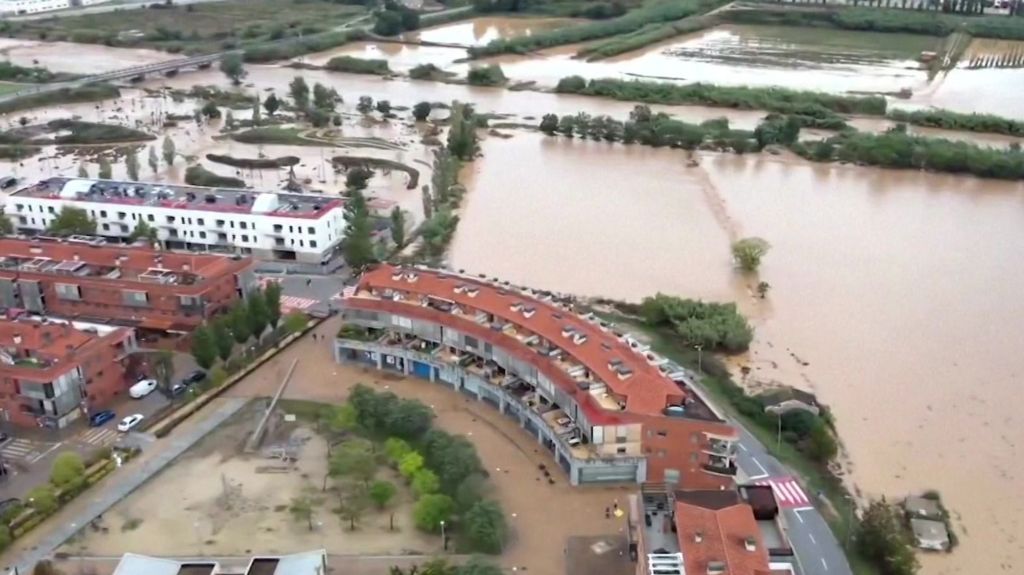
Deadly flash flooding has swept across northeastern Spain’s Catalonia region, leaving at least two people dead and triggering a massive emergency response as authorities warn of ongoing risks to local communities.
In the immediate aftermath of the disaster, Spanish Prime Minister Pedro Sánchez addressed reporters, confirming that the crisis remains in a critical phase. “The situation in Catalonia is still very complicated,” Sánchez stated, noting that ongoing rainfall and saturated river basins are preventing first responders from fully containing the hazard. Local emergency management agencies have deployed hundreds of firefighters, police officers, and civil defense personnel to carry out water rescues, evacuate at-risk neighborhoods, and clear roads blocked by mud and debris.
The extreme weather event, driven by an unusually slow-moving storm system that dumped more than 200 millimeters of rain over a 24-hour period in parts of the region, has caused widespread infrastructure damage. Dozens of rural and suburban towns have lost access to clean drinking water, and key transport links including regional rail lines and major highways have been closed indefinitely. The Catalan regional government has declared a 15-day state of emergency for the worst-hit areas, unlocking immediate emergency funding for relief efforts and long-term recovery.
Authorities have urged residents in low-lying and flood-prone zones to follow evacuation orders strictly, warning that residual flood risk remains high even as rainfall begins to taper off. Spanish officials have also begun preliminary assessments of the total economic damage, with early estimates suggesting losses could run into hundreds of millions of euros for agricultural operations, small businesses, and public infrastructure. As of the latest update, search operations are still ongoing to confirm no additional people are unaccounted for in the most severely affected areas.