A sharp diplomatic dispute between Seoul and Kyiv has escalated dramatically in recent days, centered on conflicting accounts of a confidentiality agreement surrounding the transfer of two North Korean prisoners of war from Ukraine to South Korea. The conflict ignited last month, when Ukrainian President Volodymyr Zelensky publicly revealed the transfer during his address to the United Nations General Assembly — a move South Korean authorities claim directly violated an agreed-upon arrangement to keep the movement of the two soldiers secret.
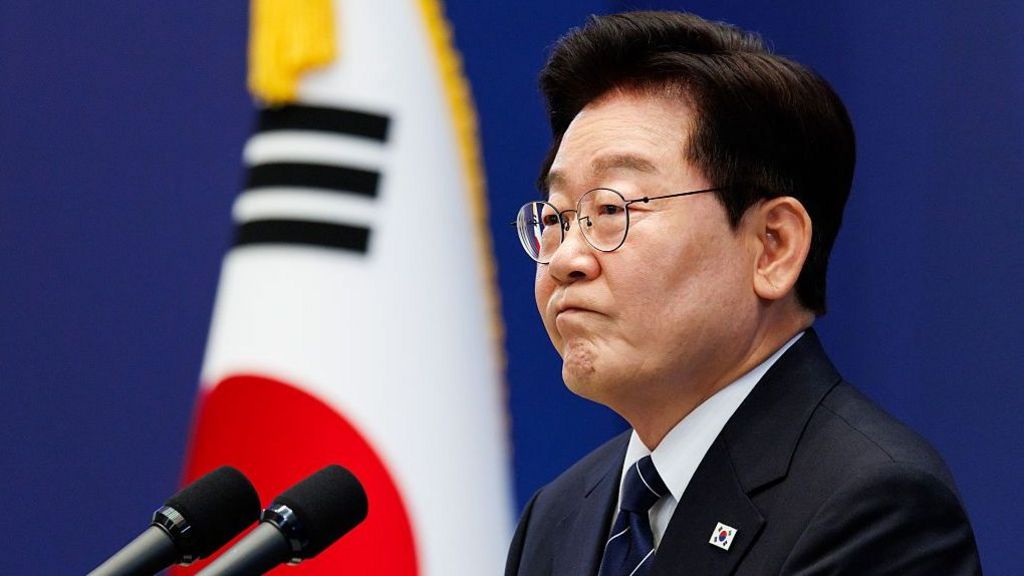
The two captured North Korean service members, who were part of the thousands of North Korean troops deployed to support Russia’s military campaign in Ukraine, had explicitly stated their desire to resettle in South Korea after being taken captive. Following Zelensky’s public disclosure, South Korean President Lee Jae Myung immediately came under intense domestic political pressure, with the country’s opposition bloc accusing him of orchestrating a cover-up of the transfer in a deliberate attempt to appease the North Korean regime in Pyongyang.
South Korea’s presidential office has clarified that it was Kyiv that initially requested the full transfer process remain confidential. Two core reasons were cited for this request: first, to protect the family members of the North Korean soldiers still residing in North Korea, and second, to shield Ukraine from domestic and international criticism that it had forfeited a critical opportunity to exchange the two prisoners for Ukrainian troops held captive by Russia. Zelensky’s office quickly pushed back against this narrative, denying that any formal confidentiality agreement had ever been reached between the two countries, a response that further strained bilateral tensions.
Earlier this week, Ukrainian Foreign Minister Andrii Sybiha attempted to de-escalate the standoff, framing the entire incident as an innocent diplomatic misunderstanding. In public remarks, Sybiha emphasized that Kyiv was actively working to resolve the dispute, noted that South Korea remains a key strategic partner for Ukraine, and expressed hope that a constructive resolution could be reached quickly.
However, President Lee rejected this framing outright in a post on the social platform X, arguing the dispute goes far beyond a simple miscommunication. For Lee, the incident strikes at the core of national and popular dignity for South Korea. In an escalation of rhetoric that has surprised global observers, Lee directly accused Kyiv of deliberately seeking to provoke military conflict on the Korean Peninsula. Lee added that South Korea harbors deep regret that Ukrainian officials have refused to acknowledge the existence of the original confidentiality agreement and issue a formal public apology, instead creating conditions that stoke speculation about impending armed confrontation between North and South Korea.
He has further threatened that if Kyiv does not comply with the demand for a public apology, Seoul will move forward with unspecified “further action” against Ukraine. To date, South Korea has maintained a policy of diplomatic and humanitarian support for Ukraine following Russia’s full-scale 2022 invasion, but has stuck to its longstanding national policy of refusing to supply lethal weaponry to countries involved in active armed conflict. The current dispute has thrown this cooperative dynamic into question, leaving the future of bilateral relations between the two nations uncertain as both sides continue to dig in on their conflicting positions.