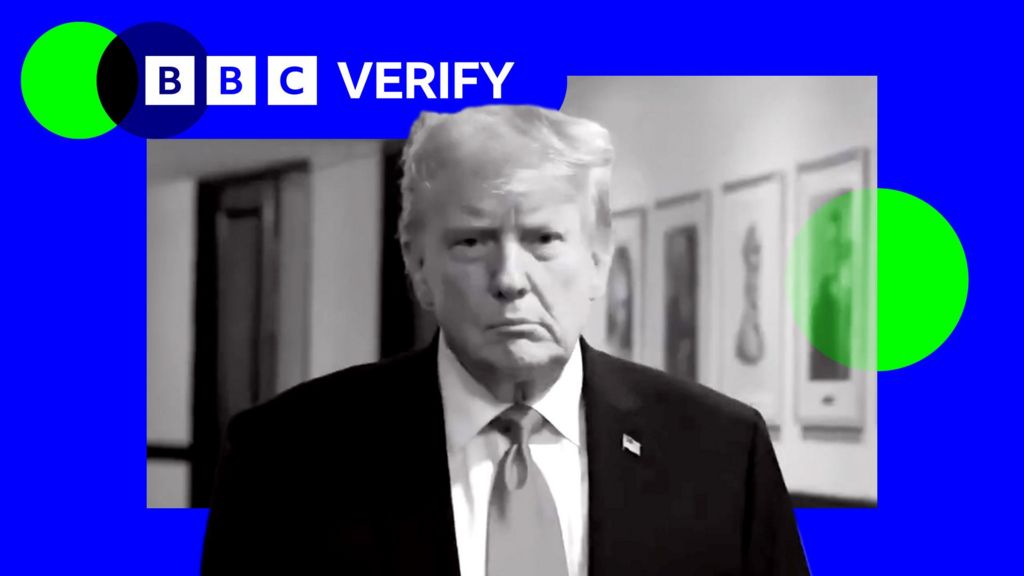
A fresh political firestorm has erupted surrounding former President Donald Trump, centered on a pressing question: are the U.S. government-funded advertisements that feature him at the forefront legal?
In recent weeks, scrutiny has intensified after public records confirmed that Trump fronted a series of official ad campaigns, with all production and placement costs covered directly by U.S. federal government coffers. Critics across the political spectrum have raised sharp questions about the intersection of official government communications and political personal branding, arguing that using taxpayer dollars to produce ads headlined by a sitting (at the time of production) president may cross ethical and even legal lines.
The core of the debate hinges on longstanding federal regulations that restrict the use of public funds for partisan promotional activities that benefit individual politicians rather than advancing clear public policy goals. Government watchdogs have already launched preliminary reviews into the funding structure and content of the ads, with some legal analysts suggesting that the arrangement could violate provisions of the Federal Election Campaign Act, which bars the use of government resources for campaign-related promotion.
Supporters of Trump have pushed back against the criticism, arguing that the ads were tied to official administration policy initiatives, meaning the use of government funding was entirely appropriate and within legal bounds. They note that sitting presidents regularly appear in official government communications highlighting policy achievements, a practice that predates the Trump administration. Yet even with these defenses, the ongoing controversy has sparked renewed calls for clearer guidelines governing the use of taxpayer funds in official ads featuring sitting elected officials, as policymakers and ethics groups debate where the line between official business and political advantage should be drawn.