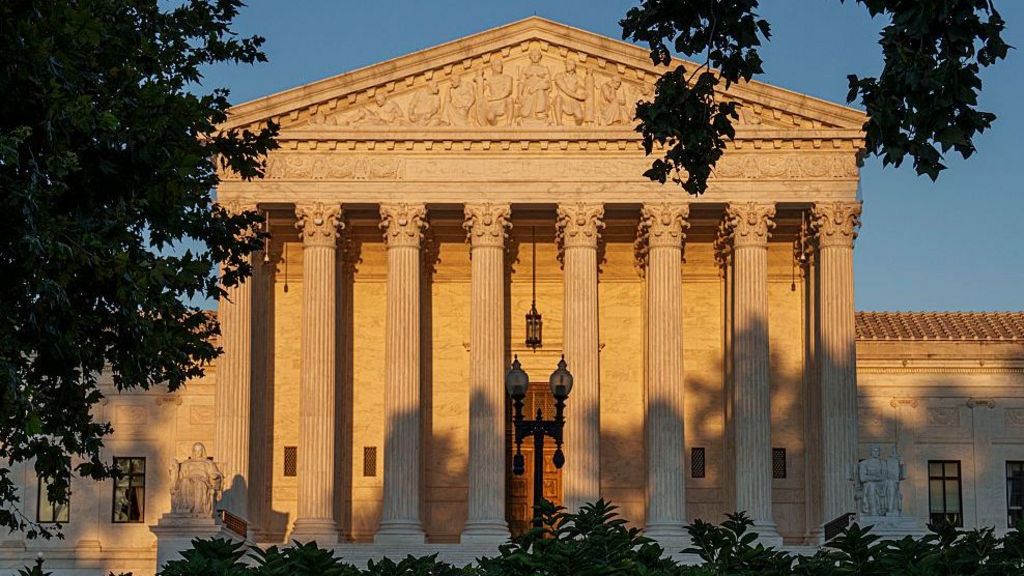
In a sharp partisan split decision that has sent ripples through American electoral politics, the U.S. Supreme Court has overturned lower court rulings to lift restrictions on the Trump administration’s use of a controversial federal citizenship database for voter eligibility checks.
The program at the center of the legal battle is the Systematic Alien Verification for Entitlements, commonly known as SAVE. Originally launched in 1986, the database was designed for a narrow purpose: to help government agencies confirm the citizenship and immigration status of individuals applying for federal public benefits. Last year, the Trump administration implemented a significant expansion of the tool, adding the ability to run bulk searches of voter roll records using Social Security numbers to identify and flag alleged non-citizens potentially registered to vote.
The policy quickly faced legal pushback. In June of this year, U.S. District Judge Sparkle L. Soonnan, an appointee of President Joe Biden, ruled that the revamped SAVE program was illegal. In her ruling, Soonnan found that the federal government had “knowingly trampled on the privacy rights” of U.S. citizens, in a move that put the fundamental right to vote at direct risk. Her ruling blocking the expanded program was subsequently upheld by a federal appeals court, setting up a final appeal to the nation’s highest court.
On Friday, the Supreme Court overturned the lower courts’ decisions in a 6-3 vote that broke along ideological lines. All six conservative justices backed the Trump administration’s request to restore access to the database, while the court’s three liberal justices issued a joint dissent opposing the ruling.
The decision marks a major political and legal victory for the Trump administration, which has centered its election policy agenda on cracking down on unsubstantiated claims of widespread non-citizen voting. But critics have raised urgent alarms over the long-term impacts of the ruling, warning that the use of the database for voter roll purges carries a high risk of erroneous removals that would disenfranchise thousands of eligible American citizens who are legally entitled to cast ballots in upcoming elections.