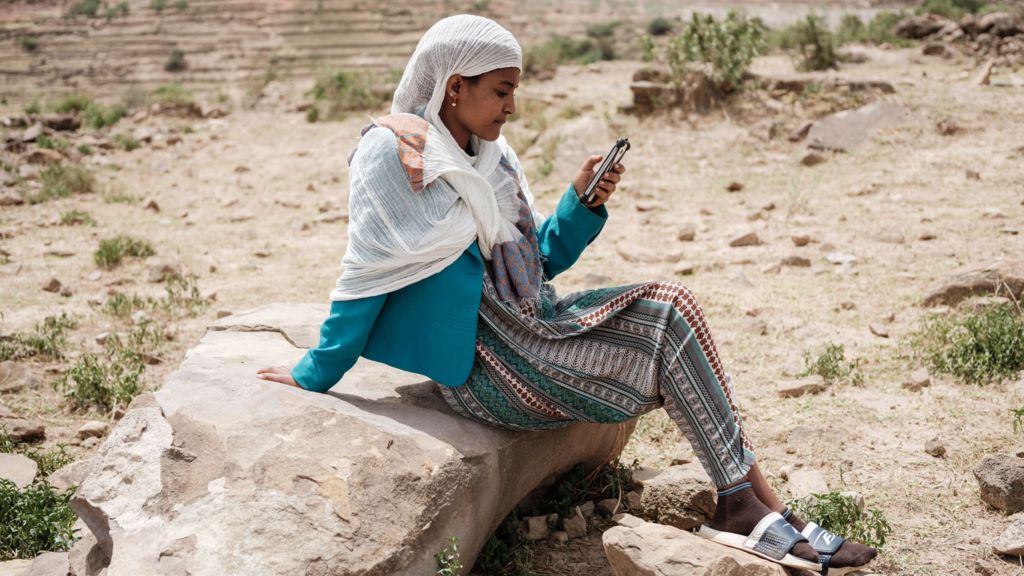
Fresh violence has erupted in Ethiopia’s northern Tigray region this week, pitting regional armed forces against the country’s national military and triggering widespread disruption to critical communications infrastructure across the area. All internet and cellular call services operated by Ethiopia’s state-owned telecom giant Ethio Telecom have been fully cut off amid the clashes, while only limited connectivity from the far smaller private provider Safaricom remains active for local residents.
Internet governance monitoring organization NetBlocks first confirmed the sub-national network shutdown via a post on the social platform X, noting that real-time network data clearly showed a total collapse of public connectivity across most of northern Tigray. Duke Burbridge, an American humanitarian worker based in Tigray’s capital city Mekelle, described the sudden blackout in an interview with BBC’s Newsday, saying “Last night telecommunications got knocked out.”
The BBC has not yet received an official response from Ethiopian federal authorities following a request for comment, and the outlet is currently restricted from carrying out independent on-the-ground reporting in Tigray and its surrounding border regions. For Burbridge and the millions of residents across the region, the communications shutdown comes on top of an already devastating eight-month cash shortage that has left most people unable to withdraw funds from local ATMs. “The lack of internet services will be devastating for everybody,” Burbridge warned.
The vast majority of daily commercial and personal transactions in Tigray now depend on digital banking and mobile money platforms, which require access to cellular networks operated by either Ethio Telecom or Safaricom. The new outbreak of violence began on Wednesday, when armed units aligned with the Tigray People’s Liberation Front (TPLF), the region’s ruling political party, clashed with Ethiopian federal troops. Local reports have already documented widespread panic buying across major urban centers in Tigray, as residents brace for a potential return to the large-scale civil war that devastated the region between 2020 and 2022.
That two-year conflict ended with a November 2022 peace agreement, but left deep economic and social scars across Tigray. For most of the conflict, the entire region was fully cut off from global communications and outside aid, pushing hundreds of thousands of people into famine-like conditions due to acute shortages of food, medicine, and basic supplies. Researchers estimate that as many as 600,000 people died from violence, hunger, and lack of medical care during the conflict, making it one of the deadliest armed conflicts of the 21st century.
Tensions have escalated sharply in the week leading up to the latest clashes. On Sunday, the TPLF announced a new military alliance with six other armed opposition groups across Ethiopia, with the stated goal of ousting Prime Minister Abiy Ahmed’s federal government. By Wednesday, TPLF forces had seized control of three regional airports from federal police units, prompting Ethiopian Airlines, the country’s national flag carrier, to immediately cancel all scheduled flights to Tigray. Unconfirmed reports from the region also indicate that TPLF-aligned forces have launched cross-border attacks into the neighboring Afar and Amhara regions, raising the risk of the conflict spreading beyond Tigray’s borders.
Additional reporting for this story was contributed by Peter Mwai of BBC Verify. For more coverage of political and security developments across the African continent, readers can visit BBCAfrica.com, or follow BBC Africa on X, Facebook, and Instagram.