The mother of a 25-year-old British woman who died by suicide after purchasing a lethal poison from a Canadian online vendor has issued a scathing rebuke, saying the man should ‘rot in hell’ for his role in her daughter’s death and the widespread failure of justice that has followed.
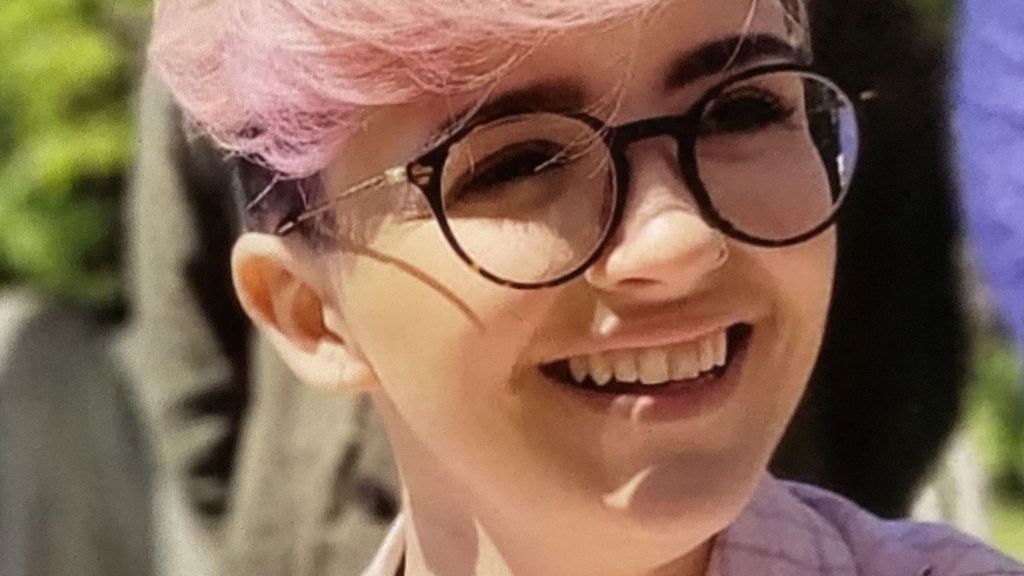
Imogen Nunn, a profoundly deaf content creator known affectionately to her loved ones as Immy, died in January 2023 after ingesting a toxic substance she ordered from Kenneth Law, a former chef turned illegal poison seller who targeted vulnerable people active in online suicide discussion forums.
Law has already accepted a plea deal with Canadian prosecutors, entering guilty pleas to 14 counts of aiding suicide across Canada in exchange for having more severe murder charges dropped. As a core term of this agreement, Law will never face criminal prosecution in the United Kingdom, even though official investigations link him to nearly 80 confirmed deaths of British citizens who received toxic products from him.
This agreement has left dozens of bereaved British families, including the Nunns, without access to domestic legal proceedings against Law. Louise Nunn, Imogen’s mother, told the BBC that both she and her late daughter have been failed by cross-border authorities. ‘I think we’ve been let down as families. Our children have been let down,’ she said.
This week, that longstanding frustration is set to be brought into a Canadian courtroom in Ontario, where impact statements from dozens of affected UK families will be presented to the judge overseeing Law’s sentencing. This public testimony marks the only opportunity for British families to share their pain and have their voices heard in the legal process surrounding Law’s crimes.
However, Louise Nunn has revealed that a key section of her personal impact statement has been redacted by authorities, robbing her of the chance to share her full condemnation of Law. In the removed paragraph, Nunn had written directly to Law: ‘You have destroyed my whole world. If Immy was here now, I know exactly what she would say to me, but I’m not Immy and I will never forgive you.’
‘I think we had a chance to say the words we wanted to say in our impact statement, but now I’ve been told they’ve redacted my last paragraph, which felt like our only chance,’ Nunn told reporters. She remembered her daughter as a resilient young woman who used social media to reframe the challenges of her profound deafness, turning personal hardship into satirical, uplifting content that helped her build confidence and close friendships. ‘She tried to put a spin on a sad situation and she tried to take all the negative things in her life and turn it into more positive,’ Nunn said. ‘It changed her, her confidence came back. Social media built up her confidence and friendships.’
In an official response to the BBC’s inquiries, the UK’s Crown Prosecution Service (CPS) defended its decision to agree to the Canadian plea deal and the redactions. CPS officials confirmed they agreed not to pursue extradition and prosecution in the UK on the grounds that Law would likely launch lengthy legal challenges to any extradition request, and integrating British victim impact statements into Canada’s sentencing process was the ‘quickest and most effective route’ to securing any form of justice. The CPS added that redactions were made on the advice of Canadian legal counsel to ensure all statements meet Canadian court admissibility requirements. ‘We recognise the profound impact of Kenneth Law’s offending and are working to ensure all victims and bereaved families have the opportunity to share their individual experiences through the sentencing process,’ a CPS spokesperson said.
Canadian court documents show Law sold roughly 1,200 packages of toxic substances to vulnerable people across 40 countries between his operation began, with approximately 25% of all shipments sent to customers in the UK. Law’s sentencing is scheduled for a date after the conclusion of this week’s impact statement hearings.