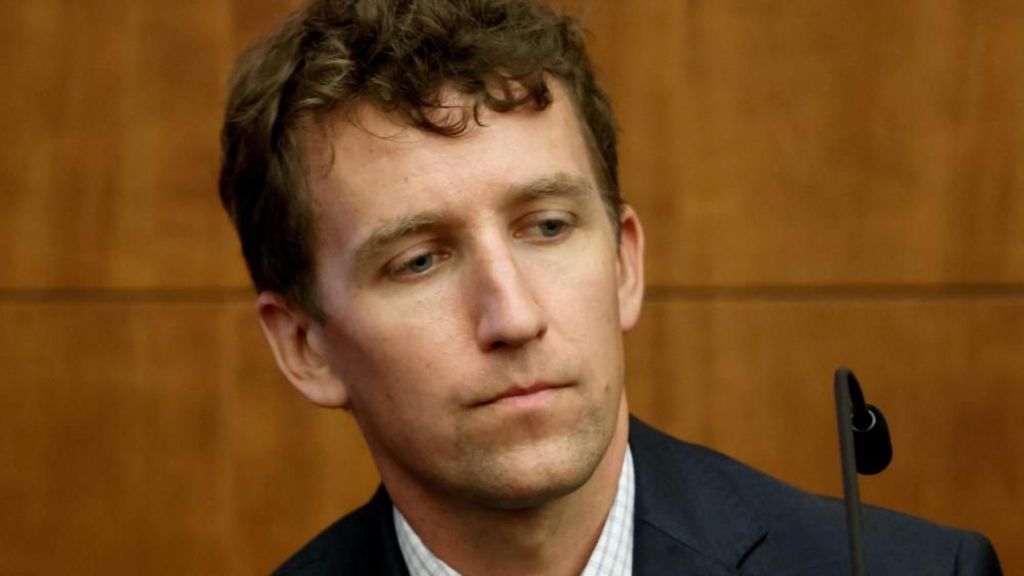
The devastating 2023 case of three young children killed at the hands of their mother, Lindsay Clancy, in Duxbury, Massachusetts, has captured national attention, and recently ended in a mistrial after the jury failed to reach a unanimous verdict on the murder charges. Now, Patrick Clancy, Lindsay’s ex-husband and the father of the three slain children – 5-year-old Cora, 3-year-old Dawson, and 8-month-old Callan – has broken his silence in a candid interview with CBS, opening up about forgiveness, his own struggle with grief, and the toxic online harassment that has upended his life in the aftermath of the tragedy.
Lindsay Clancy, 36, has not denied killing her three children on January 24, 2023. Immediately after the deaths, she jumped from the second-story window of the family home, leaving her permanently paralyzed, and she attended her seven-week trial in a wheelchair. Her legal team has argued that she should not be held criminally liable for the deaths, as she was suffering from severe postpartum psychosis – a rare and severe mental health condition that can trigger episodes of mania, psychosis, and debilitating depression following childbirth. Patrick Clancy, who testified during the trial about his ex-wife’s declining mental state after the births of their children, stood by this account, noting that mental illness often hides its severity until it is too late.
In the interview, Patrick Clancy explained that his choice to forgive Lindsay came from his firm belief that her severe untreated mental illness, not inherent cruelty, caused the unthinkable act. Rejecting the inflammatory tabloid headlines that labeled Lindsay a “killer mom” and “monster,” Clancy said none of these dehumanizing labels matched the reality of his ex-wife’s struggle. “I believe that it was her mental illness that caused that,” he stated. “So I shared those words. And I think when it comes to forgiveness, I also felt that if I didn’t get there, I would be eaten up inside forever.” When asked if he carried guilt over failing to prevent the tragedy, Clancy said he did the best he could with the limited understanding and resources he had at the time, a burden he carries with him every day.
In the weeks after the deaths of his children, Clancy said his grief became so overwhelming that he experienced suicidal ideation, admitting he did not expect to live to see his 35th birthday and felt at peace with that possibility. What has compounded his pain, he says, is the relentless wave of online hate and baseless conspiracy theories that have targeted him in the months since the tragedy. Internet users have falsely accused him of covering up for Lindsay and sharing blame for the children’s deaths, while tabloid media has hounded him and his new wife, Rachel Danis, publishing invasive photos of the couple during their daily lives.
Clancy called these false, widespread accusations deeply harmful, noting they distract from the core issue at the heart of the tragedy: gaps in care and awareness for perinatal mental health. The vitriol has been so severe that Clancy was forced to leave his longtime home in Duxbury and relocate to New York City to seek anonymity and escape the constant public scrutiny. “It’s painful to see,” he said of the online harassment. “And it makes it difficult to be in public and it’s possible that some of those people after seeing lie after lie after lie, they start to believe it and that’s what we’re left with.”
Today, Clancy is rebuilding his life with Danis, and the couple are expecting a new family together. Looking forward, he says he is eager to share the story of his three late children with his future kids, noting that all children hold an equal place in a parent’s heart regardless of whether they are here physically. The mistrial, declared earlier this month after the deadlocked jury failed to reach a unanimous verdict, leaves the future of the case unresolved. Prosecutors have not yet announced whether they will pursue a retrial, and the next court hearing is scheduled for September 29 at Plymouth Superior Court in Massachusetts.
The case has sparked urgent conversations about the need for greater awareness and accessible care for perinatal mental health conditions, which can have devastating consequences for families when left untreated. For anyone experiencing suicidal thoughts or emotional distress, support is available through global mental health organizations including Befrienders Worldwide, with dedicated resources listed for UK and US residents.