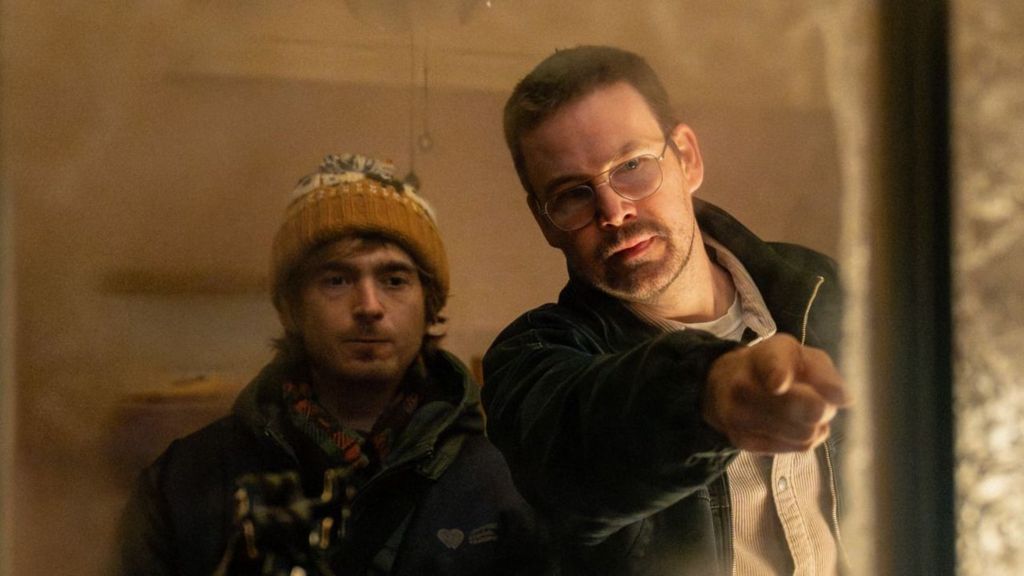
When you pair one of the horror genre’s most buzzed-about modern directors with the best-selling survival horror video game series in history, it is a combination that was always bound to spark intense conversation and high expectations. That exact pairing has arrived in the form of Zach Cregger’s *Resident Evil*, a brand-new big-screen adaptation of Capcom’s legendary franchise that has already divided fans ahead of release, even as critics praise its creative approach to bringing the game experience to life.
First launched in 1996 for the original Sony PlayStation by Japanese game developer Capcom, *Resident Evil* revolutionized the video game landscape. Unlike most 1990s games that cast players as overpowered, unflappable heroes, the original *Resident Evil* forced audiences to navigate terrifying environments with scarce ammo, limited healing items, and constant dread — a formula that invented the survival horror genre and spawned one of gaming’s most enduring franchises. Across nearly 30 years of smart remakes, innovative reinventions, and expanded lore, the series has sold more than 213 million copies worldwide, built a global fanbase that obsessively dissects its story and characters, and turned locations like Raccoon City into household names for gamers.
Cregger, who earned widespread acclaim from horror fans and critics alike for his original, boundary-pushing work on hit horror films *Barbarian* and *Weapons*, is a lifelong fan of the *Resident Evil* series. For his adaptation, he opted not to retread the familiar storylines and iconic characters that long-time fans know from the games. Instead, he crafted an entirely original narrative centered on Bryan, a new character portrayed by Austin Abrams — who previously collaborated with Cregger on *Weapons*. Bryan, a working courier, accepts what seems like a routine delivery job to a local hospital in Raccoon City, only to find himself trapped in the opening hours of a deadly viral outbreak that turns ordinary people into bloodthirsty, monstrous creatures. What begins as an ordinary workday quickly devolves into a relentless fight for survival, mirroring the tense, resource-scare experience of playing the original games.
This creative choice, however, sparked immediate backlash from segments of the *Resident Evil* fanbase when the film’s first trailer dropped online. Comment sections were flooded with complaints questioning the absence of beloved franchise characters like Jill Valentine, Leon Kennedy, and Albert Wesker, as well as iconic fan-favorite monsters. Cregger, who has had to repeatedly defend the project from accusations that he is simply cashing in on the *Resident Evil* brand, admits he was caught off guard by the intensity of the criticism.
“I think I was naive,” Cregger told BBC Newsbeat in an interview. “I was expecting people to be excited to see a Resident Evil movie that felt in the spirit of the games. What I was trying to do is make a movie that really honoured the experience of playing them.”
This is far from the first time *Resident Evil* has been adapted for the screen. The first big-screen adaptation launched in 2002, kicking off a six-film franchise helmed by writer-director Paul W.S. Anderson and starring Milla Jovovich. While those films eventually gained a cult following, they never won over critics and deviated heavily from the source material’s lore. A 2021 reboot that leaned more closely into the games’ story and a 2022 Netflix original series also failed to satisfy fans and critics alike. Many long-time franchise fans blame Constantin Film, the German production company that owns the live-action film rights to *Resident Evil*, for the consistent low quality of past adaptations. Unconfirmed online reports suggest Constantin’s licensing agreement with Capcom prohibits the studio from setting its adaptations within the official timeline of the games. Cregger also noted that he never received any communication from Capcom during the film’s production, stating: “Nobody from Capcom ever reached out to me, ever, in any way.” Though Constantin declined to comment on the record, BBC Newsbeat has confirmed that informal coordination between Capcom and the film’s production team happened behind the scenes.
Early critical reviews of Cregger’s *Resident Evil* have been largely positive, with many critics noting that the director successfully delivers on his goal of capturing the feeling of playing a *Resident Evil* game rather than just copying its plot. In a three-star review, NME pondered whether the film marks the first great video game horror adaptation, writing that “for a large chunk of the film’s runtime, the answer is a resounding yes” — though the review criticized Bryan’s encounters for growing repetitive in the second half. The Jam Report’s Doug Jamieson awarded the film four stars, praising Cregger’s approach: “He understands adaptation as translation rather than imitation.” Looper critic Alastair Ryder gave the film an 8 out of 10 score, writing, “Zach Cregger has done the best job I’ve seen of translating the experience of playing a video game and making it feel cinematic.”
Cregger says he acknowledges it is almost impossible to please every segment of the franchise’s massive fanbase, and that replicating a game’s plot beat-for-beat was never his goal. “If I had delivered a faithful retelling of one of the stories in the games, I feel like those people would probably be upset with me for that too, because I would have messed it up somehow, inevitably,” he explained. “So all I can do is just tell the story that I think is going to be the very best story. If somebody’s going to have a problem that it doesn’t do exactly what they had in their mind of what a Resident Evil movie is, I can’t say anything to that.”
While the full verdict from general audiences and the wider fanbase is still pending, the film is currently tracking for a strong opening weekend at the global box office. It arrives in theaters alongside a recent wave of commercially successful video game adaptations, including *The Super Mario Bros. Movie* and *Minecraft*, which earned mixed critical reviews but drew massive audiences worldwide.