A long-simmering legal and political battle over Washington D.C.’s iconic John F. Kennedy Center for the Performing Arts took a new turn this week, when a U.S. federal judge imposed a critical transparency requirement on the Trump administration ahead of any potential structural changes to the historic venue.
U.S. District Judge Christopher Cooper issued the ruling Thursday, mandating that the White House must provide a minimum of 30 days advance public notice before moving forward with any demolition work at the center. The order comes in response to widespread alarm sparked by recent comments from former President Donald Trump, who publicly warned the performing arts venue could be “ripped down” if renovations do not move forward under his administration’s plan.
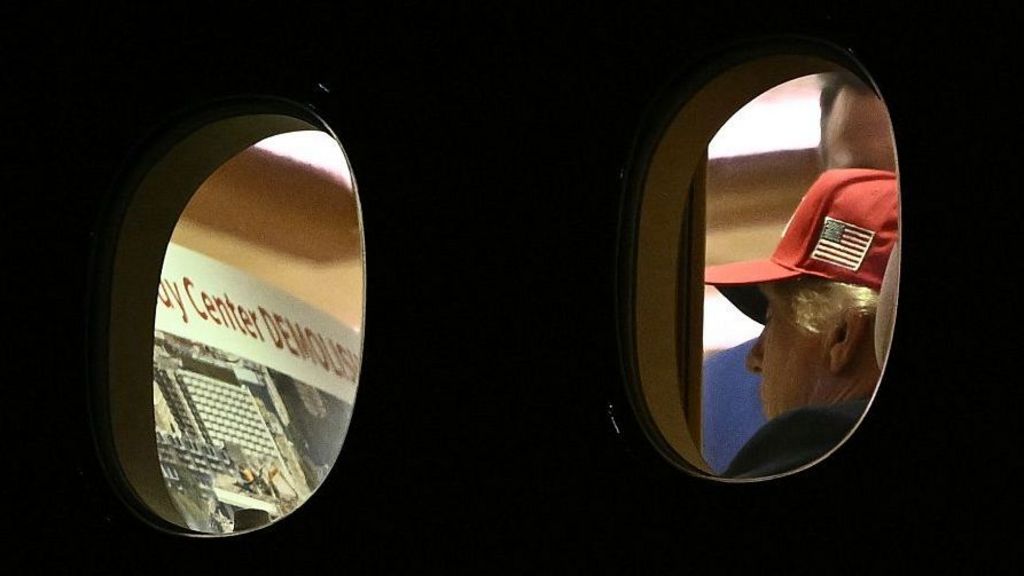
The trigger for this latest legal development was a widely circulated photograph captured Wednesday, showing Trump aboard Air Force One reviewing a placard that appeared to bear the headline “Kennedy Center DEMOLISHED.” The image immediately reignited tensions between the Trump administration and critics who have opposed the administration’s plans for the site, a national memorial built by an act of Congress to honor assassinated President John F. Kennedy.
This ruling is not the first legal clash between the court and the Trump administration over the Kennedy Center. Back in May, Judge Cooper already ordered the removal of Trump’s name from the building’s facade, in response to a lawsuit filed by Democratic Congresswoman Joyce Beatty, an ex officio member of the Kennedy Center’s board of trustees. Beatty’s suit has long sought to block unauthorized changes to the memorial and reverse the decision to add Trump’s name to the structure.
In the weeks leading up to this latest ruling, the Kennedy Center’s board of trustees — which is chaired by Trump and counts multiple members of his cabinet and political allies among its ranks — voted for the third time since February to shutter the venue for a two-year period. Trump defended the vote on Truth Social following the meeting, claiming the board approved the closure “almost unanimously” on the grounds of critical public safety. He has repeatedly argued the venue is in severe disrepair, and that attaching his name to the building would unlock the private and public funding needed to carry out comprehensive renovations.
“I think that the Trump administration should certainly have recognition because, frankly, if we don’t do that, it’s going to close,” Trump told reporters during a stop in Charlotte, North Carolina on Wednesday. “It’ll end up being ripped down.”
In court documents filed ahead of Thursday’s ruling, Kennedy Center Executive Director Matt Floca clarified that the planned temporary closure would initially last seven days to address immediate safety hazards, “unless extended.” But Beatty urged the judge to issue a clear order to block any unannounced demolition, arguing the administration’s comments and the Air Force One photograph made clear the threat to the historic structure was immediate.
Following the hearing, Judge Cooper not only issued the 30-day notice mandate, he also ordered the Trump administration to submit a full, detailed public report on the scope of the planned temporary closure and emergency repairs, with formal written notification required for any future changes to the project’s scope.
Critics of the administration’s plan have long pushed back on claims that the Kennedy Center is beyond repair, arguing that the need for major renovations has been exaggerated. They also note that any permanent changes to the national memorial require formal approval from Congress, as the body that established the site in 1963 following Kennedy’s assassination. Legal analysts say the latest ruling adds a new layer of oversight that will slow any major changes to the venue while the court case proceeds.