Australia’s federal government has announced sweeping new restrictions on immigration, targeting international students, so-called “visa hoppers” and working holiday backpackers in a bid to rein in surging net overseas migration and ease growing pressure on housing and public services.
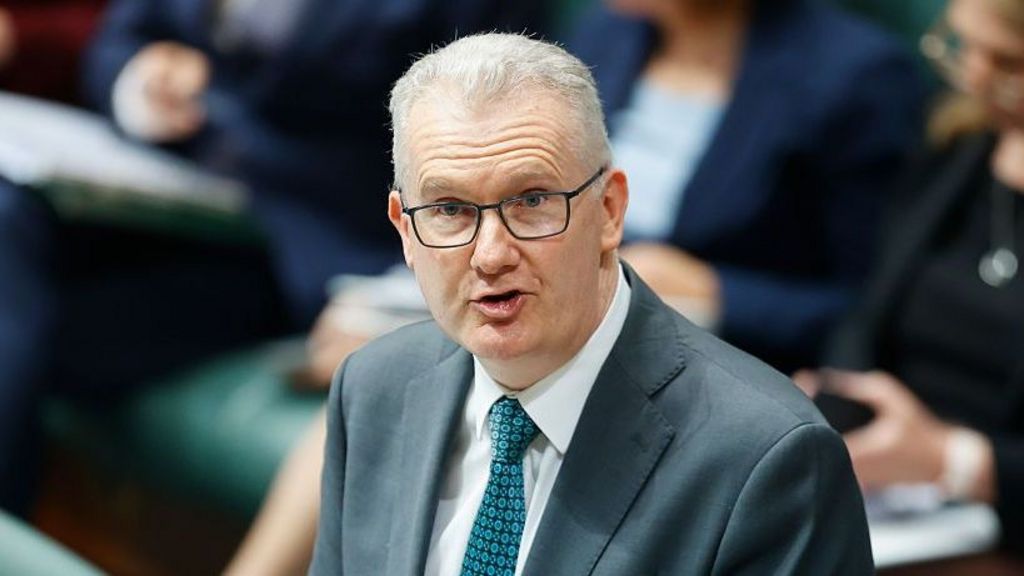
Home Affairs Minister Tony Burke outlined the policy changes on Thursday, noting that while immigration has long been a core economic and social strength for Australia, unregulated high levels of migration have put unsustainable strain on the country’s infrastructure and quality of life. “We need a high level of control over who arrives, who stays and who leaves,” Burke said in his address on migration policy management.
The most significant change for international students bars all new students except PhD candidates from bringing family members with them to Australia. Exemptions will remain in place for students already residing in Australia, as well as for applicants from Pacific and South East Asian nations. To crack down on “visa hopping” – the common practice of extending an Australian stay by enrolling in successive low-quality courses at untrustworthy education providers – the government will only permit visa extensions for students pursuing higher-level qualifications. For example, a student who has completed a bachelor’s degree will be allowed to extend their stay to pursue a master’s degree, but not to enroll in another lower-level qualification after finishing their current studies.
Major changes are also coming to the working holiday visa program, which is popular with young backpackers and serves as a critical source of seasonal labor for Australia’s agricultural sector. Currently, working holiday visa holders can extend their 12-month stay to a second year by completing three months of work in regional Australia, and to a third year with an additional six months of regional work. Under the new rules, extension approvals will be allocated via a capped ballot system.
The cap for second-year extensions will drop to 45,000 slots, down from 57,000 approved extensions last year. For third-year extensions, the cap will be cut sharply from 31,000 last year to just 5,000. The changes will not apply to British working holiday makers, however, thanks to provisions in the Australia-UK free trade agreement.
The new rules come as official population data released Thursday by the Australian Bureau of Statistics shows Australia’s population grew 1.4% to 27.9 million in the 12 months to March 2026, driven by a net overseas migration inflow of 292,100 – far above the government’s target of 225,000 net migration by 2028.
Immigration has emerged as one of the most contentious political issues in Australia ahead of upcoming elections, as public debate over population growth intensifies amid soaring living costs, widespread housing unaffordability, and stretched public services. Populist right-wing party One Nation, which has seen a recent surge in support and won its first lower house parliamentary seat in May, released a far more hardline immigration plan earlier this week that proposed cutting 750,000 temporary migrant visas over three years and capping net annual migration at just 130,000. Burke has rejected that proposal, warning it would cause catastrophic damage to key sectors of the Australian economy.
This announcement is the latest in a series of migration policy shifts from the current government. In July, officials rolled out changes to prioritize onshore permanent visa applications from skilled migrants already living in Australia, ahead of applications from candidates based overseas, and paused new working holiday visa applications from 24 countries (excluding the UK).
Not all stakeholders have welcomed the new restrictions. Violet Roumeliotis, CEO of Settlement Services International, a leading organization that supports new migrant arrivals, argues the current migration debate is being driven by short-term political calculations rather than long-term national interest. “The proposed changes to family visas for international students is a good example of this,” Roumeliotis said, adding that the new restrictions will make it harder for Australia to attract and retain top global talent that drives the country’s innovation and economic growth.