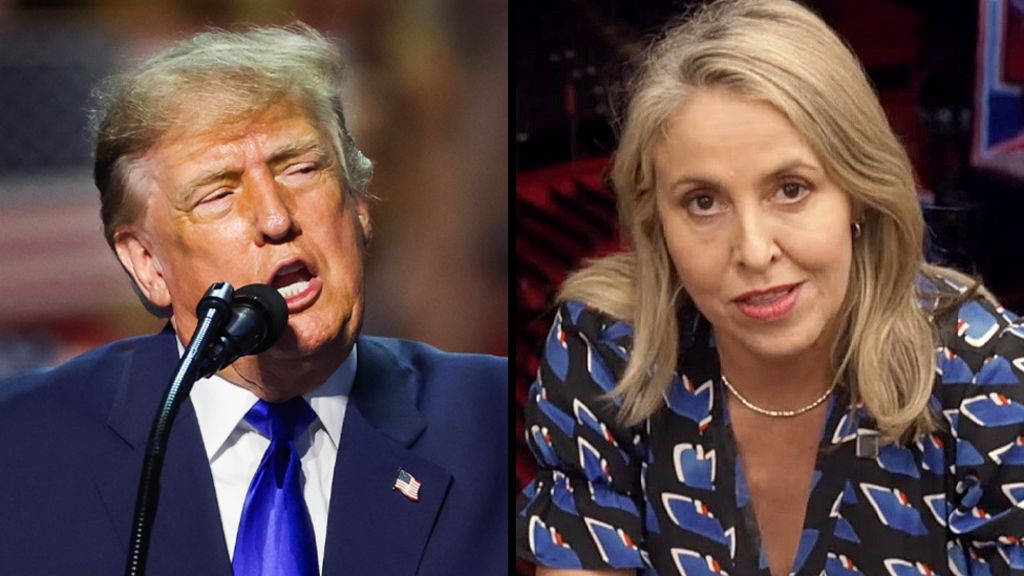
As the United States gears up for critical November midterm elections, a bold campaign promise from former President Donald Trump has ignited fierce debate over both its feasibility and legal standing. Trump has publicly stated that every American household would receive a $5,000 payout – equivalent to roughly £3,700 in British currency – should Republican candidates secure majority control of Congress in the upcoming election cycle.
The pledge, announced in public remarks that quickly spread across national media platforms, has prompted election watchdogs and legal analysts to launch immediate examinations of whether the promise complies with existing federal campaign finance laws and executive branch regulations. Legal experts have raised key questions about the authority of a president or congressional majority to unilaterally implement such a broad, universal cash disbursement, noting that all federal spending must go through formal congressional appropriation processes that place checks on executive action.
Political opponents have already labeled the pledge as an irresponsible appeal to voters that violates ethical standards for campaign rhetoric, arguing that promising direct cash payments in exchange for electoral support crosses legal boundaries. Meanwhile, allies of Trump have pushed back, framing the promise as a bold policy vision that reflects the former president’s commitment to delivering economic relief to working American families, asserting that it falls well within the bounds of legitimate campaign discourse.
As voters head to the polls in just a few months, the scrutiny over this pledge is expected to intensify, with legal challenges and public debates set to shape how the promise is perceived by electorate across the country.