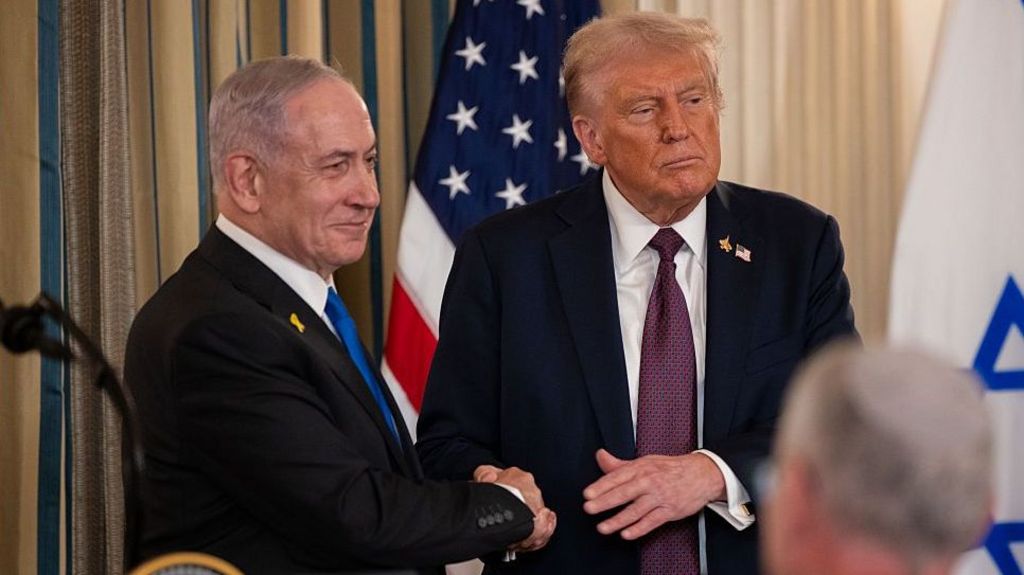
A sharp new escalation in Middle Eastern diplomacy erupted this week after the United Kingdom announced sweeping sanctions targeting Israeli settlements in the occupied West Bank, drawing furious retaliation from Jerusalem and leaving global observers waiting to see whether Washington would step in to back its closest ally in the region.
Within hours of the UK’s policy reveal on Monday, Israel rolled out a series of punitive diplomatic measures: it announced plans to close Britain’s diplomatic office serving the Palestinian territories, expel British military personnel from a key international coordination base along the Gaza border, and bar entry to 11 left-wing British members of Parliament. Israeli leaders framed the move as a clear act of defiance against what they view as unwarranted external interference in their sovereign affairs, marking one of the most significant breakdowns in UK-Israel relations in recent decades.
For its part, London justified its new sanctions by framing the policy as a moral necessity to preserve the viability of the two-state solution, the long-proposed framework that would create an independent Palestinian state alongside Israel. UK officials explicitly accused the current Israeli government of turning a blind eye to systematic settler violence and what they termed ethnic cleansing of Palestinian communities in the occupied West Bank, a charge that Israeli leaders have vehemently rejected.
By Monday afternoon, the diplomatic standoff expanded, with 11 additional mostly European nations signaling they would join the UK’s settlement trade ban, putting growing international pressure on Israel over its settlement expansion policy. This shift immediately raised a critical, long-standing question in Middle Eastern diplomacy: when Israel faces global isolation, its closest superpower ally, the United States, has almost always stepped in to provide a protective diplomatic shield. Would Washington break with that precedent, or would it condemn the UK’s move to back Israel?
Many regional observers had pre-emptively predicted a harsh American reprimand of the UK. That speculation grew louder after US Ambassador to Israel Mike Huckabee appeared on BBC airspace shortly before the UK’s official announcement, hinting that Washington could impose unspecified sanctions, repercussions or retaliatory measures against the UK. Notably, Huckabee, a long-time hardline supporter of Israeli settlement expansion who has cited biblical justifications for Jewish settlement in the West Bank, admitted he had not consulted President Trump before making the remarks, a trend that has become increasingly common among political appointees in the current Trump administration.
However, as Tuesday unfolded, the White House and State Department delivered a response that defied most expectations: it was strikingly muted, with no forceful condemnation or punitive threats against the UK.
Secretary of State Marco Rubio, speaking to reporters while traveling to Colombia, told journalists that “obviously, we’re not going to do what the UK did. We saw their announcement today but I don’t have any comment on it right now.” Rubio added that the UK had notified the Trump administration of its plans in advance, most likely during a pre-announcement call between President Trump and UK Prime Minister Andy Burnham on Monday. He also noted that the US shared “the goal of stability” amid rising tensions in the region, and did not “want to see some uptick in violence… in the West Bank” – a statement that amounted to far from a scathing rebuke of the British policy, and even hinted at quiet alignment with some of the UK’s core concerns.
When asked about the diplomatic standoff on Wednesday, Trump told reporters he planned to speak with Israeli leaders to better understand their position, adding: “I understand exactly what’s going on, but I want to find out why all of a sudden has that happened.”
Sources familiar with internal administration deliberations confirm that senior officials held high-level discussions about a US response on Tuesday. The emerging baseline position among decision-makers was opposition to any actions that could harm the commercial interests of American companies, ruling out broad economic retaliation against the UK.
While staunchly pro-Israel Republican lawmakers in Congress have publicly pushed for punitive measures against the UK, pointing to existing state-level laws in places like Florida that penalize businesses that boycott Israel, no formal targeted criticism of the UK has emerged from either the White House or the State Department to date. Though administration officials have not ruled out issuing a formal condemnation in the coming days, the absence of urgent pushback so far reflects growing underlying frustrations within the Trump administration with Israeli Prime Minister Benjamin Netanyahu’s leadership, multiple sources suggest.
For Trump, the timing of this standoff could not be more sensitive. The president’s top current foreign policy priority is preventing a full-scale escalation of the crisis in the Strait of Hormuz, the central flashpoint in his ongoing stalemate with Iran. The complex US-Israel alliance has already been marked by growing friction in recent months: Netanyahu has repeatedly escalated military actions against Iran-backed Hezbollah in Lebanon at critical moments when Trump was attempting to advance diplomatic talks with Tehran, moves that Israeli leaders frame as necessary for national security but that have put US diplomatic efforts at risk of derailment.
Additionally, Trump is pushing for progress on his signature Gaza peace initiative, which calls for the disarmament of Hamas and a full withdrawal of Israeli military forces from Gaza. Netanyahu has publicly rejected the current draft of the plan, creating another major rift between the two leaders. So far, Trump has also declined to endorse Netanyahu in Israel’s upcoming general election, a break from long-standing US practice of backing incumbent Israeli leaders.
The Trump administration has also grown increasingly frustrated with the wave of rising settler violence against Palestinian communities in the West Bank, which the Israeli government has failed to meaningfully address. This inaction has become a diplomatic embarrassment for the White House, particularly as key Trump allies among Gulf Arab states – who are currently mediating indirect talks between Israel and Hamas to cement a Gaza ceasefire – have repeatedly raised concerns about ongoing settler violence. These Gulf allies question how the US can secure concessions from Israel on Gaza if it cannot even pressure Israel to rein in settler violence in the West Bank.
With Trump prioritizing two major legacy foreign policy wins – containing Iran and advancing his Gaza peace plan – coming out forcefully to defend Israel against European sanctions over West Bank settlements does not currently make political or strategic sense for the president, analysts say. For Trump, at least for the moment, the diplomatic and political costs of backing Israel on this issue far outweigh any potential benefits.