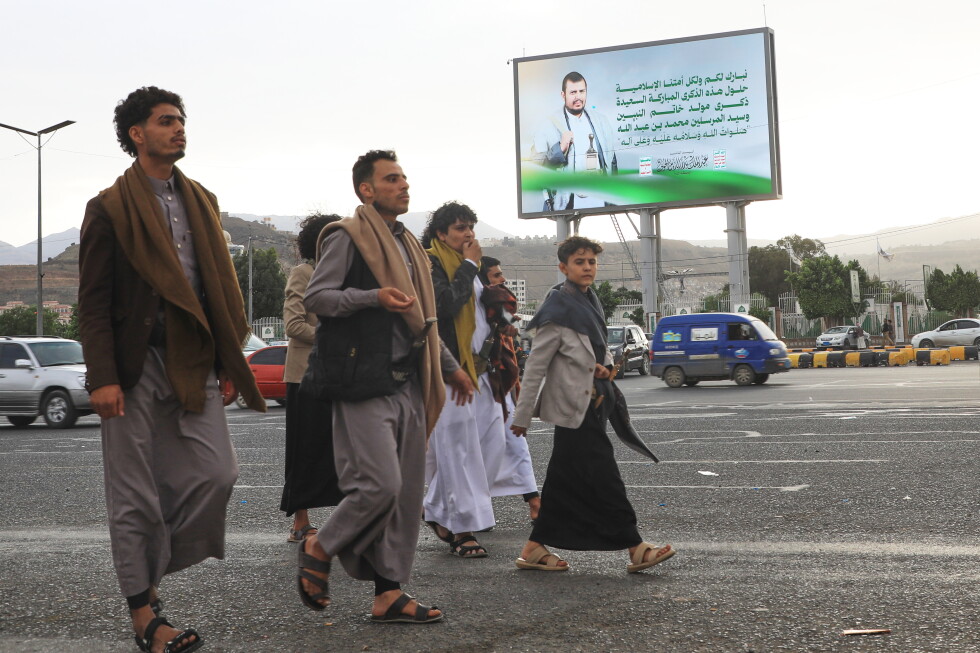
Tensions across the Middle East surged sharply Tuesday, as two separate high-stakes developments threatened to deepen regional instability just days after a wave of deadly clashes across Iran, Lebanon and Gaza. First, a coordinated series of attacks carried out by the Iran-aligned Houthi movement struck multiple locations across southern Saudi Arabia, igniting large blazes at oil infrastructure and leaving at least 73 people wounded, including civilian women and children.
The early-morning assaults mark a dramatic escalation of hostilities that have reignited over recent weeks, after a four-year truce between the Houthis and the Saudi-backed Yemeni government collapsed. This renewed violence has upended fragile calm in Yemen’s long-running civil war, and now threatens to spill over into broader disruptions across the Gulf and global energy markets.
Major General Turki al-Malki, spokesperson for the Saudi-led military coalition that has operated in Yemen since 2015, confirmed in an official statement that the attacks targeted civilian and economic infrastructure across four southern Saudi cities: Jazan, Najran, Abha and Khamis Mushait. The Saudi Energy Ministry later confirmed that fires broke out at several oil production facilities and utility sites across the region, forcing a temporary suspension of operations at the affected sites.
Regional analysts warn that this escalation poses new risks to global trade and energy supplies, particularly through the Bab al-Mandeb strait, one of the world’s most critical chokepoints for oil and commercial shipping. The route has served as a vital alternative shipping corridor in recent months as tensions have restricted movement through the Strait of Hormuz, and any disruption there would send new shockwaves through already jittered global energy markets.
In a second major development shifting the regional landscape, the United Kingdom is moving forward with a formal ban on imports of goods produced in Israeli settlements located in the occupied West Bank, a major policy shift that toughens the UK’s stance on Israel’s ongoing settlement expansion program. The move comes as part of a broader reset of UK-Israel relations announced by Foreign Secretary Ed Miliband in recent weeks, who is set to lay out full details of the new policy before the House of Commons later Tuesday.
UK officials have emphasized that the ban does not amount to a full boycott of all Israeli goods, targeting only products originating from settlements built on land Israel seized during the 1967 Six-Day War. The UK government says the policy is a direct response to the massive surge in settlement construction overseen by Israeli Prime Minister Benjamin Netanyahu’s far-right government, which the UK argues has severely undermined any prospect of creating an independent Palestinian state as part of a long-sought two-state solution.
The international community has widely regarded Israeli West Bank settlements as illegal or illegitimate under international law for decades, and Palestinian leaders have repeatedly stated that the continued expansion of settlements is the single largest barrier to reaching a lasting two-state peace agreement. Netanyahu’s administration, however, rejects this position, framing the West Bank as the historical and biblical homeland of the Jewish people and openly opposing the establishment of a sovereign Palestinian state.
The policy shift marks a further evolution of the UK’s posture in the Israeli-Palestinian conflict, after the UK formally recognized Palestinian statehood last year in a bid to revitalize the stalled peace process. The announcement comes amid growing global criticism of rising unrest and violence carried out by extremist Israeli settlers against Palestinian communities in the West Bank in recent weeks, which even led to a senior U.S. ambassador labeling violent settlers as terrorists.
This latest round of escalating violence and diplomatic shifts comes on the heels of days of deadly cross-border clashes that swept through Iran, Lebanon and Gaza last week, leaving the already volatile region on edge. This report will be updated as additional details on both developments emerge throughout the day.