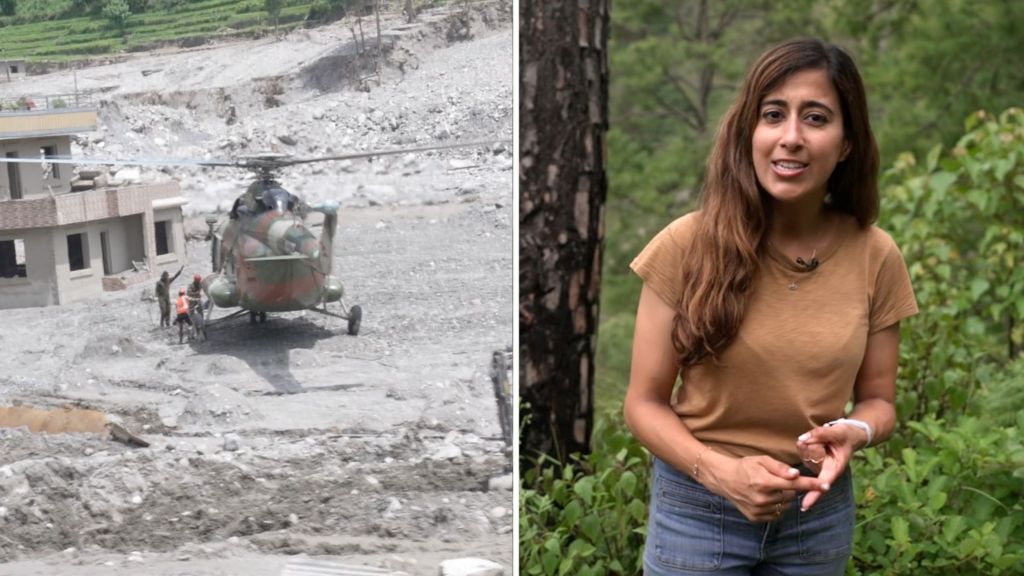
In the wake of devastating flash floods that swept through large swathes of Nepal, the Himalayan nation has announced it will need billions of dollars in international and domestic funding to launch comprehensive reconstruction efforts. BBC’s South Asia correspondent Azadeh Moshiri is currently on the ground reporting from the disaster zone, where government agencies and local rescue teams are just starting the painstaking work of clearing rubble and laying the groundwork for rebuilding.
The flash floods, which are often amplified by Nepal’s steep mountain terrain and erratic monsoon patterns that have grown more intense in recent years, left widespread destruction in their wake. Entire villages were washed away, critical infrastructure including roads, bridges, and water systems was destroyed, and thousands of residents were left displaced from their homes. As emergency response operations shift to longer-term recovery, Nepali authorities have outlined a daunting price tag for restoring communities and reinforcing the country’s disaster resilience.
Moshiri’s on-site reporting captures the scale of the challenge: entire neighborhoods still lie buried under mud and debris, while local communities wait for support to begin rebuilding their lives. International disaster relief organizations have already dispatched initial aid, but the government has stressed that multi-billion-dollar commitments will be necessary to not just rebuild what was lost, but to upgrade infrastructure to withstand future flood events, which are projected to become more frequent due to shifting climate patterns in the Hindu Kush Himalaya region.