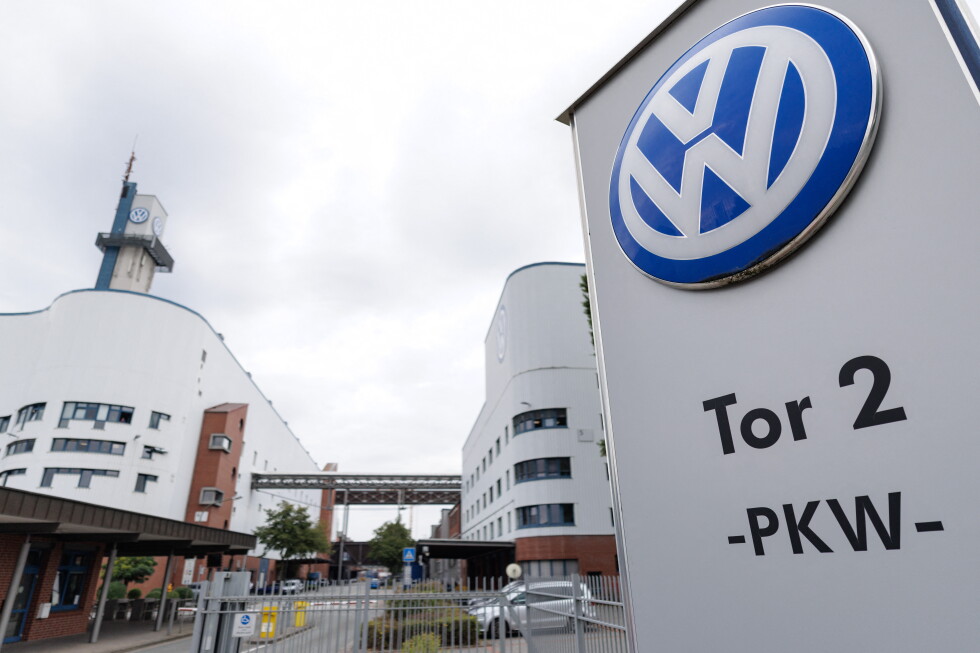
FRANKFURT, Germany – After weeks of internal debate and pushback from labor and regional stakeholders, Volkswagen’s supervisory board has formally approved a landmark corporate restructuring plan led by Chief Executive Oliver Blume, designed to shore up the automaker’s competitiveness against mounting global market pressures. The wide-ranging cost-cutting initiative includes cutting 50,000 positions across the company, slashing its current model portfolio by roughly half, and ending passenger vehicle production at four major manufacturing sites across Germany. The restructuring addresses growing challenges the German automaker has faced in recent years, including rising low-cost competition from Chinese electric vehicle makers and ongoing trade headwinds spurred by United States import tariffs. Blume’s proposal overcame significant opposition from employee representatives and the regional government of Lower Saxony, which maintains a formal ownership stake in Volkswagen and holds seats on the company’s board. In a post-approval statement, Blume framed the plan as a critical turning point for the century-old automaker. “This is a strong signal for the future of Volkswagen Group,” he said, adding that the changes would “make our iconic brands even more attractive, stronger and competitive.” The company has confirmed it carries 500,000 units of excess production capacity across its European manufacturing network, a surplus that has dragged on profitability for multiple quarters. Under the plan, current vehicle production cannot be guaranteed long-term for the four plants in Emden, Zwickau, Hanover and Neckarsulm, though company leaders have said they will explore alternative industrial uses for the facilities to preserve as many local jobs as possible. The 50,000-position reduction includes both frontline manufacturing roles and senior management positions, part of a broader push to streamline corporate operations beyond just production cuts. By reducing the number of distinct vehicle models offered across its brand portfolio, Volkswagen aims to increase production volume per individual model, which will spread fixed production and development costs across more units and drive down per-vehicle overhead. The plan also targets bureaucratic bloat, calling for flatter leadership hierarchies and more direct, faster decision-making processes to improve the company’s agility in a fast-changing global auto market. The agreement marks a compromise after months of tension between management, labor leaders and regional officials. Daniela Cavallo, Volkswagen’s top employee representative, whose caucus holds half of all seats on the company’s supervisory board under German co-determination rules, acknowledged that the restructuring was unavoidable. In a joint statement released alongside the board’s approval, Cavallo noted the plan was “a necessity for our company to move successfully into the next decade without the associated undertakings coming only on the side of the employees.” Cavallo had publicly and sharply criticized the initial draft of the plan when it was first proposed over the summer, arguing that workers should not bear the full burden of the company’s needed transformation. Olaf Lies, governor of Lower Saxony – Volkswagen’s home region, which holds two board seats and a blocking minority stake in the company – also backed the final compromise. Lies noted that the automaker is facing “enormous” competitive and market challenges, and that the approved plan represents “a shared path toward the necessary transformation” for the company. Volkswagen, which employs roughly 650,000 workers across its global operations, owns a portfolio of 10 major automotive brands including core volume marque Volkswagen, along with luxury nameplates Audi and Porsche, and mainstream brands Skoda and SEAT. The company posted a 30% drop in after-tax net profits for the first half of 2024, a decline driven largely by plummeting sales and market share loss in China, the company’s single largest market, where local electric vehicle makers have undercut Volkswagen on price and technology in recent years.
Volkswagen board approves cutting 50,000 more jobs and ending production at 4 plants