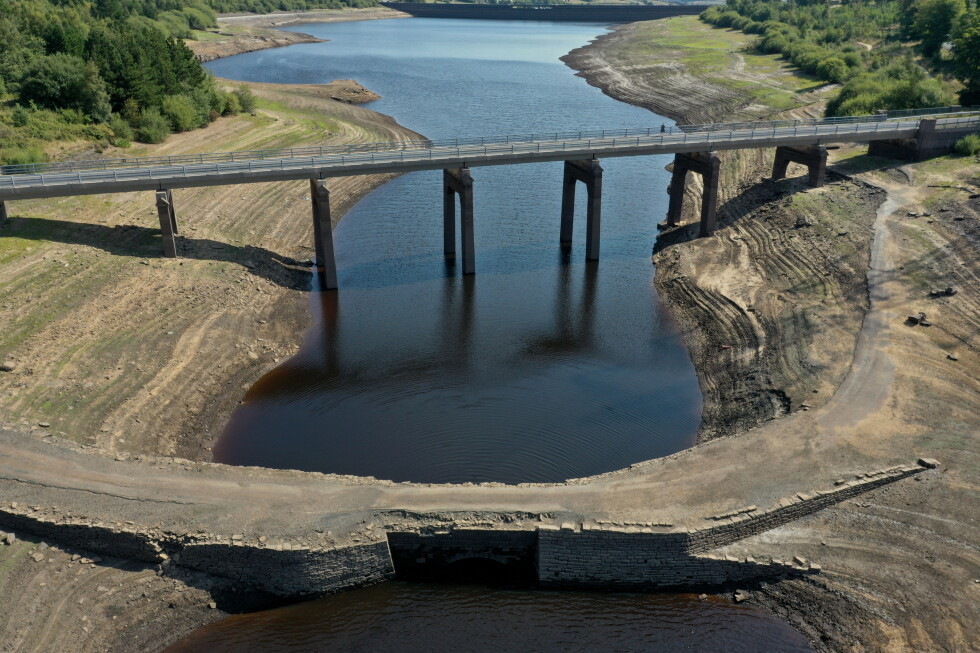
ULAANBAATAR, Mongolia — After 12 days of intensive negotiations, delegates from nearly 200 nations concluded the United Nations Convention to Combat Desertification (UNCCD) biennial summit Friday, leaving the Mongolian capital with landmark funding commitments for land restoration but without resolving a years-long deadlock over a proposed global legally binding drought pact.
The summit convened amid growing alarm over accelerating land degradation across the globe: UNCCD data confirms 40 percent of the world’s total land area is already degraded, a crisis that erodes soil fertility, disrupts water storage, and threatens the livelihoods of billions of people. Yasmine Fouad, executive secretary of the UNCCD, told reporters that drought, amplified by rising global temperatures, is spreading to regions once considered low-risk for dry conditions, growing more frequent, intense and prolonged than at any point in recorded history.
Experts at the conference emphasized a underrecognized link between land health and drought resilience: unlike the common framing of drought as purely a product of insufficient rainfall, modern research shows pre-existing land degradation drastically worsens dry period impacts. Healthy, well-managed soil acts as a natural water reservoir, absorbing and retaining moisture to sustain crops, grasslands and ecosystems through extended dry spells. Degraded soils, by contrast, shed water rapidly, lose agricultural productivity, and leave communities far more vulnerable to erratic rainfall and rising temperatures. This interconnectedness means water management cannot be separated from land health, Fouad noted, arguing that sustainable water systems depend entirely on healthy, productive soils.
This interconnectedness is particularly critical for global food security, said Joao Campari, global leader for food and agriculture at WWF International. Treating land and water as separate policy issues ignores the basic requirements for stable food production, Campari explained: without access to both healthy land and reliable water, agricultural systems cannot function. The pressure on global land resources is set to intensify dramatically in coming decades: UN projections show the world will need to produce 50 percent more food by 2050 than it did in 2012 to feed a growing population. But expanding agricultural production by clearing natural grasslands and savannas only worsens land degradation, releases stored carbon from soils into the atmosphere, and reduces landscapes’ ability to store water. Land degradation also amplifies the frequency and severity of sand and dust storms, Fouad added: while these storms travel across continents through the air, their origins lie in unsustainable land management that leaves topsoil exposed. Restoring native vegetation and improving land management practices keeps soil anchored and reduces the intensity of these events.
Despite the deadlock on the drought agreement, the summit delivered tangible progress on funding for land restoration efforts. Delegates launched a new global rangelands initiative backed by $1.2 billion across 45 targeted projects, and the Asian Development Bank announced an additional $2 billion to combat land degradation across the Asia-Pacific region. Rangelands—which include grasslands, savannas, and other grazing lands that support pastoral communities—cover 54 percent of the Earth’s total land surface and sustain roughly 2 billion people globally. Campari warned that these ecosystems are being converted to other land uses at four times the rate of the world’s forests, and hold twice as much carbon in their soils as is currently present in the atmosphere. Clearing these lands for agricultural expansion releases massive volumes of greenhouse gases even when few trees are cut, he added, making their protection critical to both climate and food security goals.
Even with new pledges, global land restoration efforts face a massive annual funding gap. UN estimates show $355 billion in annual investment is required through 2030 to meet existing global land restoration commitments, but current annual investment totals only $77 billion, leaving a $278 billion shortfall. Private capital contributes just 6 percent of current global investment in land restoration, and most existing national drought plans lack the funding needed to turn early warning systems, sustainable water management and adaptive agriculture into on-the-ground action. While 70 countries now maintain national drought plans, up from just three in 2013, most remain unimplemented due to lack of resources. To address this gap, summit participants announced a new Drought Resilience Investment Facility, designed to mobilize up to $400 million in combined public and private capital for projects focused on water security, sustainable agriculture, nature-based solutions and land restoration.
Negotiators left Ulaanbaatar agreeing to defer a decision on the proposed legally binding global drought agreement until the next UNCCD summit, scheduled to take place in Egypt in two years—a delay that marks the second consecutive deferral of the decision. But many stakeholders rejected calls to wait for a formal global agreement to act. “We cannot wait for COP18 for solutions,” said Esther Penunia, secretary general of the Asian Farmers Association. “We know we have solutions and we can do them as long as we have the necessary resources.”
Fouad echoed that call, urging governments to shift from planning to investment, and to create inclusive national platforms that bring private companies, local communities, women and young people into the process of developing projects and attracting financing to address land degradation and drought resilience.
This reporting is part of AP’s ongoing global climate and environment coverage, which receives philanthropic funding from private foundations, with AP retaining full editorial control over all content.
United Nations talks in Mongolia expose growing drought crisis as climate impacts worsen