One of South Korea’s most beloved tourist destinations, the volcanic island of Jeju famous for its palm-fringed coastlines and crystal clear waters, has become the center of a national controversy over systemic failures in police handling of missing person cases. After four people reported missing on the island were found dead in recent days, widespread public outrage has forced top political leaders to order sweeping overhauls of the national police force.
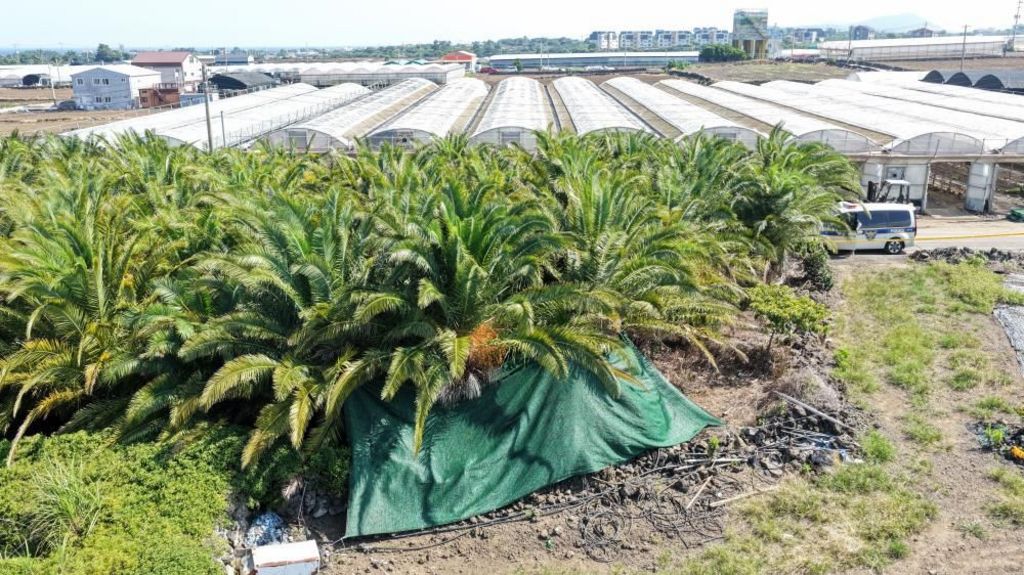
The most recent discovery was the body of 37-year-old Jang Mi-ran, who went missing back in May. Investigators located her remains just 500 meters from her residence on a local palm tree farm, and authorities have preliminarily ruled her death a suicide. The other three recovered bodies include a man in his 60s from Jeju City who disappeared in late June, with two more found in coastal villages in the past week.
At the heart of the scandal is a serving police sergeant identified only by his surname Bu, who has been taken into custody on charges of deceiving the families of missing people and improperly closing active cases before confirming the whereabouts of the missing individuals. According to witness testimony and local reporting, Bu falsely told Jang Mi-ran’s boyfriend that he had spoken with Jang by phone, and that she had explicitly refused to contact her partner. In the case of the 60-year-old missing man, Bu informed the man’s family that he had been located alive and safe, but simply did not want to share his location with relatives. The man’s son told reporters that the family trusted the police’s account and waited patiently for 51 days, only to receive his father’s corpse in the end.
In response to the revelations, four senior officers in Bu’s chain of command have been placed on paid administrative leave pending the outcome of an internal investigation. South Korean President Lee Jae Myung announced sweeping police force reforms during a Tuesday Cabinet meeting, addressing the growing public anger over the mishandling of the cases. “The recent breakdown in police discipline and irresponsibility in public safety matters have become serious problems,” President Lee told attendees, adding that “the Korean people are questioning whether [the police] deserve this large power” the institution currently holds.
South Korea’s national police chief faced intense questioning from lawmakers at an emergency National Assembly hearing on Monday, where he publicly acknowledged fundamental flaws in the current system of handling missing person reports. Authorities have now launched a full review of the nearly 300 missing person cases Bu processed during his tenure, and it remains unclear whether Bu was involved in the premature closure of the two other cases connected to the recently recovered bodies.
Experts point to structural factors that have contributed to the lax handling of missing adult cases in South Korea. While the country boasts one of the lowest violent crime rates in the world, it also struggles with one of the highest suicide rates globally. Lee Yung-hyeock, a police science professor at Konkuk University, explained to Yonhap News Agency that the high rate of quickly resolved missing person cases has led to complacency among officers. More than 70,000 adults are reported missing across South Korea every year, and official data shows 99% of these cases are marked as resolved within 30 days. This track record has led many officers to automatically assume that most missing adults will turn up quickly, leading to premature case closures.
The scandal comes at a particularly sensitive political moment for South Korean law enforcement. The national government recently passed a landmark reform bill that shifted full investigative authority from public prosecutors to the national police, a change framed as a way to reduce prosecutors’ outsized political influence. However, the reform has faced widespread public skepticism, as many South Koreans have long raised concerns about systemic corruption and incompetence within police ranks.