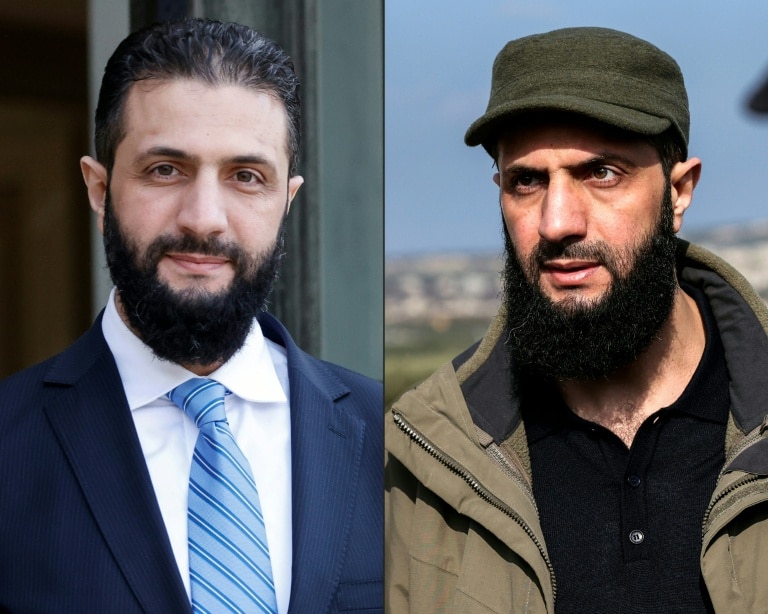
In a significant shift in bilateral relations that caps months of diplomatic outreach, the United States formally completed two key delisting actions on Monday: removing Syria from its roster of state sponsors of terrorism and revoking the global terrorist designation for Hay’at Tahrir al-Sham (HTS), the militant-turned-governing group that led the overthrow of former long-ruling dictator Bashar al-Assad late last year. Corresponding sanctions relief was also announced by the US Treasury Department, ending decades of harsh economic restrictions that had isolated Syria from the global financial system.
The political landscape of Syria shifted dramatically in December 2024, when HTS-led rebel forces swept through Damascus and toppled the Assad regime, which had held authoritarian control over the country for 54 years. HTS leader Ahmed al-Sharaa, who has rebranded himself as a unifying national leader after cutting ties to Al-Qaeda in 2016, now serves as Syria’s interim president as the country embarks on reconstruction after 13 years of devastating civil war that has left hundreds of thousands dead and the national economy in ruins.
US officials framed the delisting as a direct fulfillment of a campaign and policy promise from President Donald Trump to support Syria’s political and economic transition. Treasury Secretary Scott Bessent explained in an official statement that Monday’s actions will create new space for increased private investment in Syria, a critical ingredient to stabilizing the country’s fledgling new government and laying the groundwork for long-term economic recovery. At the same time, the Treasury Department stressed that the rollback of sanctions does not weaken Washington’s commitment to countering global terrorism, noting that it will continue to hold any bad actors operating within Syrian territory accountable for harmful activity.
The delisting process has been months in the making. US officials first publicly announced their intention to remove Syria from the state sponsor of terrorism list back in July, a move widely interpreted as a show of diplomatic support for Sharaa’s new administration. The move followed a high-profile bilateral meeting between Trump and Sharaa on the sidelines of the NATO summit held in Turkey, where the two leaders discussed the future of US-Syria relations.
US Secretary of State Marco Rubio noted that the delisting eliminates the last major barriers to private sector engagement in Syria, clearing a path for the country to rejoin the global economy and build lasting prosperity for the Syrian people. “This action promotes Syria’s economic recovery and reintegration into the global economy,” Rubio said.
Leadership in Damascus has welcomed the decision as a transformative turning point for a country still grappling with the aftermath of more than a decade of conflict. Syrian Foreign Minister Assad al-Shaibani called the US delisting a “historic milestone” that signals international recognition of the new Syrian government’s commitment to upholding international peace and security. According to Syria’s official state news agency SANA, Finance Minister Mohammed Barnieh described the move as a landmark achievement for Syrian diplomacy, saying it opens a long-awaited door to deeper integration into global economic and financial frameworks, attracts foreign direct investment and cutting-edge modern technology, and unlocks new sustainable development opportunities for the Syrian people. Central Bank of Syria Governor Safwat Raslan also lauded the decision, confirming that the institution is already working to build a modern, transparent, and reliable national financial system that can adapt to new global engagement and capitalize on the opportunities created by sanctions relief.