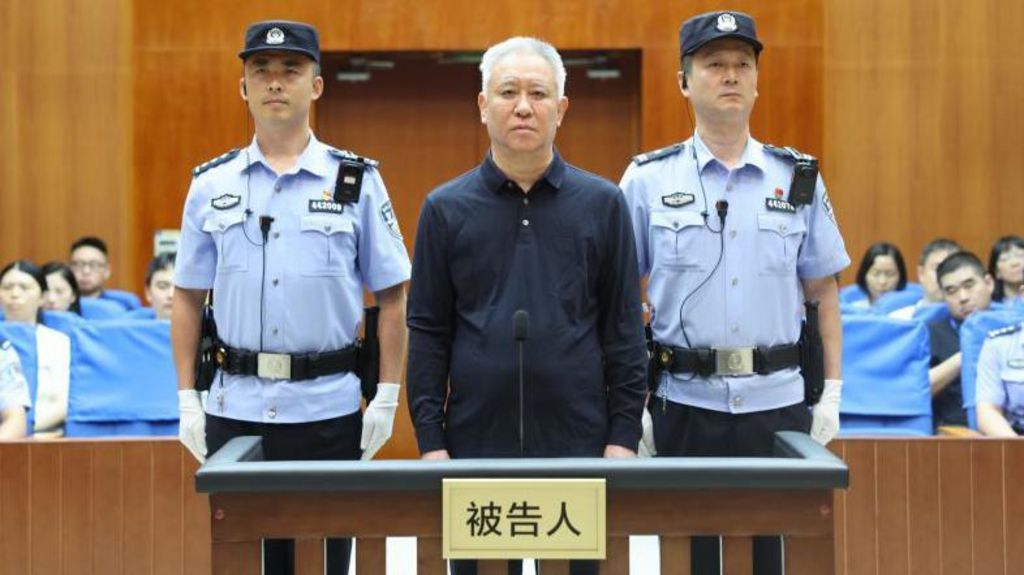
In a landmark ruling that closes one of the most high-profile chapters of China’s ongoing property sector crisis, Hui Ka Yan, the founder of embattled real estate giant Evergrande Group, has received a life sentence and an order for the full confiscation of his personal assets. The verdict was handed down by China’s Shenzhen Intermediate People’s Court, following a guilty plea entered by Hui in April on multiple corruption charges, including large-scale embezzlement of corporate assets and corporate bribery.
Alongside the sentence for Hui, the court also imposed heavy financial penalties on the troubled conglomerate itself: Evergrande Group has been fined 8.82 billion yuan, equal to approximately $1.31 billion or £960 million, while the firm’s core real estate subsidiary has been ordered to pay an additional 7 billion yuan in fines, according to official Chinese state media reports.
The 66-year-old tycoon, who also goes by the name Xu Jiayin, built his business empire from extremely humble origins. Born into a rural family in southern China, he was raised primarily by his grandmother before entering the property development industry and founding Evergrande in 1996. Over the following two and a half decades, Hui guided Evergrande through an extraordinary period of expansion, fueled by an aggressive growth strategy that relied heavily on massive borrowing from domestic banks and global capital markets. At its peak, Evergrande claimed the title of China’s largest residential developer, boasting a public market valuation that exceeded $50 billion, and Hui was for years ranked among the wealthiest people in Asia.
That meteoric rise came to an abrupt end in 2021, when Evergrande defaulted on more than $300 billion in outstanding debt, triggering a cascading collapse that sent shockwaves through China’s entire $60 trillion real estate industry. The company’s implosion is widely credited with sparking the broader housing market slump that has persisted for three years, and which continues to act as a major drag on China’s overall economic growth, leaving thousands of unfinished residential projects, millions of stranded homebuyers, and billions in losses for domestic and international investors.
Legal analysts and economic observers describe Hui’s sentencing as a defining turning point in the aftermath of Evergrande’s collapse, wrapping up one of the largest corporate corruption investigations in recent Chinese history and signaling the Chinese government’s continued commitment to cleaning up systemic irregularities in the country’s property sector.