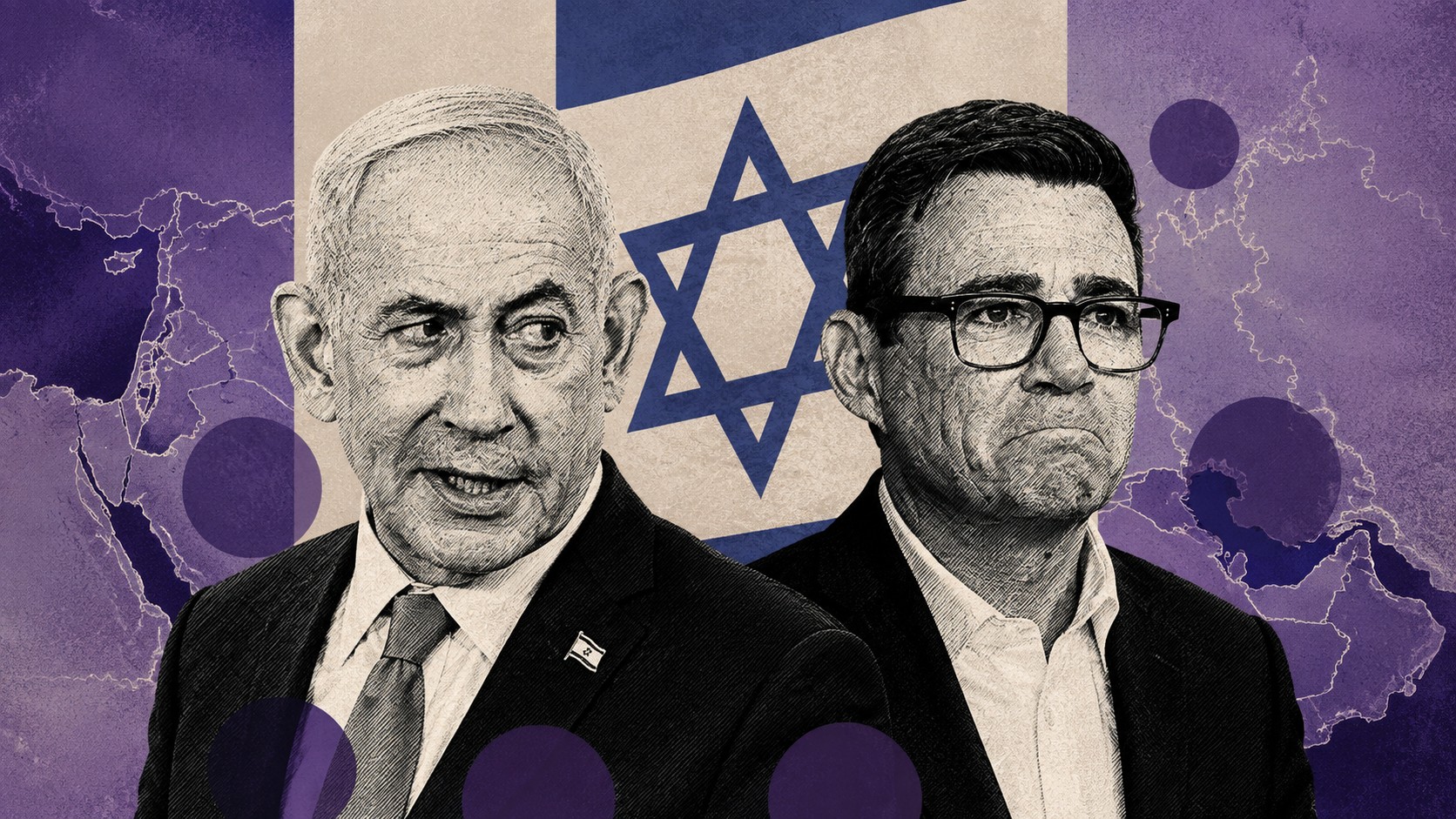
In a stunning and incendiary remark that has reignited debate over the tense relationship between Israel and one of its longest-standing European allies, Israeli Prime Minister Benjamin Netanyahu has branded the United Kingdom an “Islamic republic” in comments that lay bare his frustration with shifting public and political attitudes toward Israel’s actions in Gaza and the occupied Palestinian territories.
The comments were made during an interview with Israel’s Army Radio, where Netanyahu contrasted the current UK media landscape with the widespread favorable coverage Israel received during the 1967 Arab-Israeli War. That conflict, which began with a surprise Israeli pre-emptive strike on Egypt, concluded with Israeli forces seizing control of key territories including the Gaza Strip, the West Bank, East Jerusalem, Egypt’s Sinai Peninsula, and Syria’s Golan Heights — territorial holdings that remain at the core of the decades-long Israeli-Palestinian conflict to this day.
“Try to find that [1967-style favorable coverage] now in Britain, which you could call the Islamic republic of Britain,” Netanyahu told the interviewer. When the host pressed whether the same shift could be seen across the entire European continent, Netanyahu doubled down, claiming: “Yes, but you know, someone said the first Islamic republic with nuclear weapons will be the Islamic republic of Britain.”
The Islamophobic remarks come at a pivotal moment in UK-Israel relations, multiple sources familiar with UK government planning told Middle East Eye. Downing Street is set to unveil a package of new policy measures targeting Israeli settlement activity in September, headlined by a proposed ban on imports of goods produced in Israel’s illegal West Bank settlements. The Foreign Office is also drafting plans to impose new targeted sanctions on individuals and groups connected to the Israeli settler movement that has expanded illegal housing and seized Palestinian land in the occupied West Bank.
Critics have pointed out that Netanyahu’s inflammatory rhetoric ignores the long history of consistent UK support for Israel, even amid the current Gaza conflict. In July 2025, the newly elected Labour government under Prime Minister Keir Starmer designated the activist group Palestine Action as a proscribed terrorist organization. The group, which carried out targeted direct action at factories and facilities owned by companies supplying arms to Israel, now faces sweeping legal restrictions: membership and public expressions of support carry a maximum prison sentence of 14 years under UK counterterrorism law. Since the ban came into force, police have arrested more than 3,000 people and brought terrorism charges against over 1,200 activists.
Beyond domestic crackdowns on pro-Palestine activism, the UK has provided direct operational support to Israel during its military campaign in Gaza. UK military forces carried out surveillance flights over Gaza and shared collected intelligence with the Israeli military, while the Ministry of Defence ran ongoing training courses for Israeli military personnel — only halting new participation in these programs late in 2025.
This contradiction between emerging pressure to hold Israel accountable and long-standing military and political support is equally visible in UK arms export policy. In September 2024, the Labour government suspended 29 existing arms export licences for Israel after a government review concluded there was a “clear risk” that British-manufactured equipment could be used to violate international humanitarian law in Gaza. Then-Foreign Secretary David Lammy was quick to clarify that the move was “not an arms embargo”, preserving the vast majority of existing military trade links. By February 2026, Israel remained eligible for exports under 395 active, non-suspended UK licences. 203 of these cover military goods, with the total maximum value of non-F-35 military export licences reaching £130 million.
UK support has also extended to Israel’s regional confrontations beyond Gaza. When the United States launched strikes against Iranian targets in March 2026, Starmer authorized US forces to use British military bases in the region to carry out the operations. Current Prime Minister Andy Burnham, who took over from Starmer, has continued to grant the US this access as of July 2026, backing a regional conflict that Netanyahu has long pushed for Western powers to join.