On Thursday, a new advocacy organization dedicated to representing the families of Egypt’s political detainees officially launched its operations in London, according to an official press statement shared exclusively with Middle East Eye.
Named the Families of Egyptian Detainees Association, commonly shortened to Feda, the group says it will build communication and coordinate efforts with governmental and civil society institutions both within Egypt and across the global community. Its core mission is to push for the safe release of thousands of people detained for political reasons in the North African country.
In its founding statement, Feda emphasized it is open to collaboration with any individual or entity that shares its goal of ending the mass political detention crisis, which it describes as a deeply painful chapter in modern Egyptian history. “We will work with anyone who can contribute to closing this painful chapter and securing the release of political detainees from prison,” the statement reads.
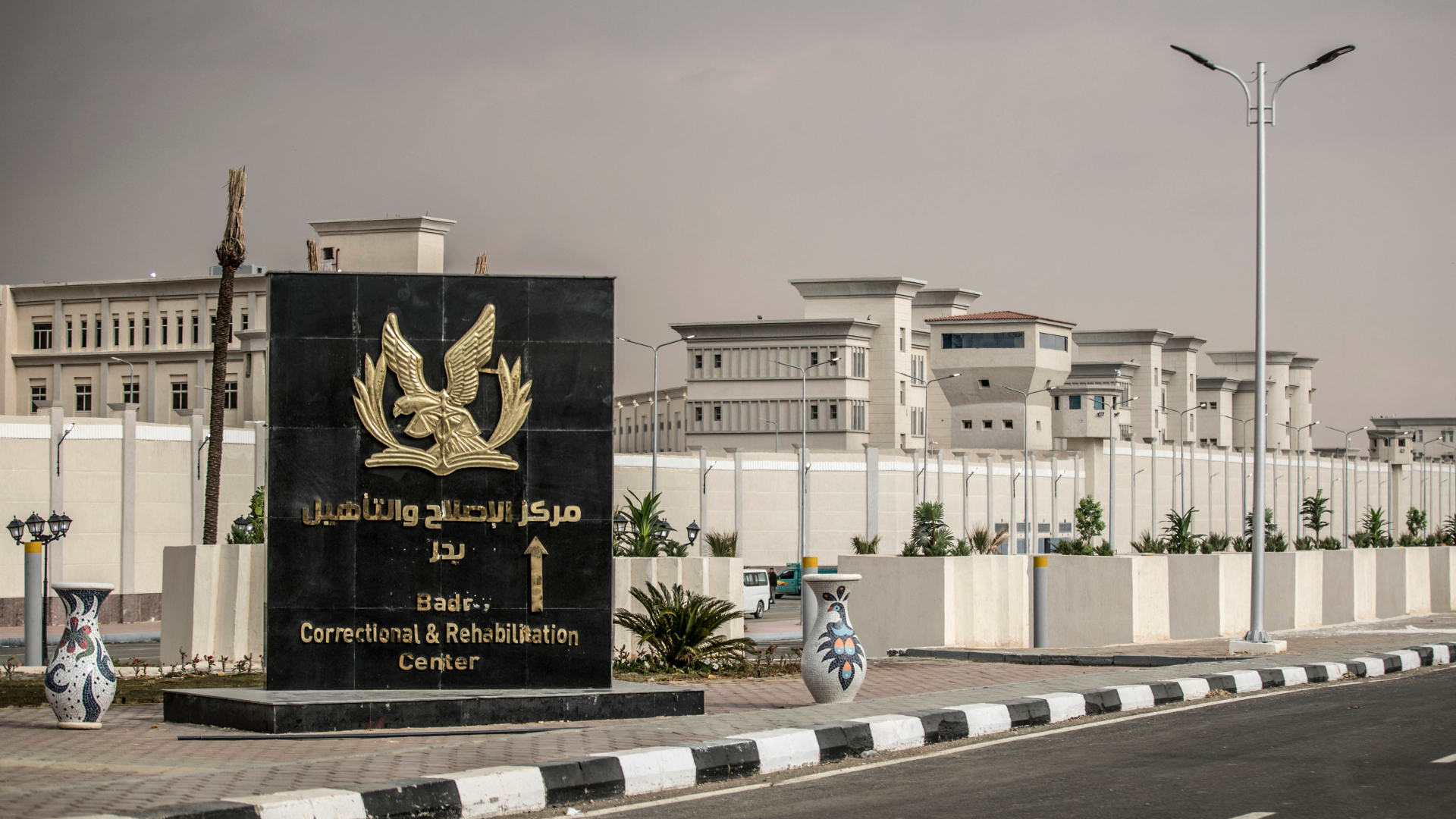
The mass expansion of political detentions in Egypt traces back to 2013, when current President Abdel Fatah el-Sisi led a military coup that ousted Mohamed Morsi, the country’s first democratically elected head of state. In the decade that followed, human rights organizations have recorded a steady surge in the number of people imprisoned for political dissent. Independent rights groups estimate that more than 60,000 prisoners of conscience are currently held in Egyptian correctional facilities, over 1,000 of whom are women. The vast majority of detainees are young students, youth organizers, and political activists from across the full spectrum of Egyptian political life.
Data from the Arabic Network for Human Rights Information places the total prison population in Egypt at 120,000 as of March 2021, with an estimated 65,000 of those detainees being held for political reasons. At least 26,000 of those political detainees remain in pre-trial detention, a practice that rights groups say is often used to indefinitely hold political opponents without formal conviction.
Documentation from multiple independent rights monitors has also confirmed that inadequate care and inhumane prison conditions have led to the deaths of dozens of detainees, including former President Mohamed Morsi and multiple high-profile opposition figures.
Feda’s mandate extends to supporting families of detainees regardless of where they currently reside, whether inside Egypt or in diaspora communities around the world. Outlining its core objectives, the organization said its work will focus on four key pillars: keeping the political detention crisis at the top of both national and international policy agendas, advocating for Egyptian detainees in global and regional forums, pushing for guaranteed fair trials and humane living conditions for all detainees, and pursuing every available legal and diplomatic channel to secure their release.
To advance these goals, Feda plans to engage directly with United Nations bodies focused on detention and enforced disappearance, pursue legal action in competent international courts against documented human rights violations against detainees, organize public awareness and solidarity events globally, and build partnerships with international institutions, religious and political leaders, media outlets, and global human rights organizations.
For years, global rights groups have systematically documented widespread abuses inside Egyptian prisons. Common violations reported by detainees and their families include a lack of access to adequate medical care, poor nutrition and insufficient ventilation in cells, repeated denials of family visitation rights, extreme overcrowding, and bans on access to reading materials, news, and even outdoor exercise.
In response to mounting international pressure, the Egyptian government launched a national human rights strategy in September 2021 that included explicit provisions outlining reforms to prisoners’ rights. The strategy publicly committed to goals including humane treatment of all detainees, protection from torture and abuse, expanded judicial oversight of prison facilities, and regular independent inspections of conditions by Egypt’s national human rights council. It also outlined plans to reduce overall prison populations through periodic detainee releases, including conditional release programs, presidential pardons issued during national holidays, and the early release of detainees with serious chronic illnesses.
However, Feda says that despite these public pledges, detainees and their families have yet to see any meaningful improvement in conditions on the ground. “Detainees and their families had hoped that this strategy would be implemented, but they say they have yet to see its impact inside prisons,” the organization noted. “They continue to await the implementation of the strategy and the legislative amendments that followed it as a step toward closing this dark chapter.”