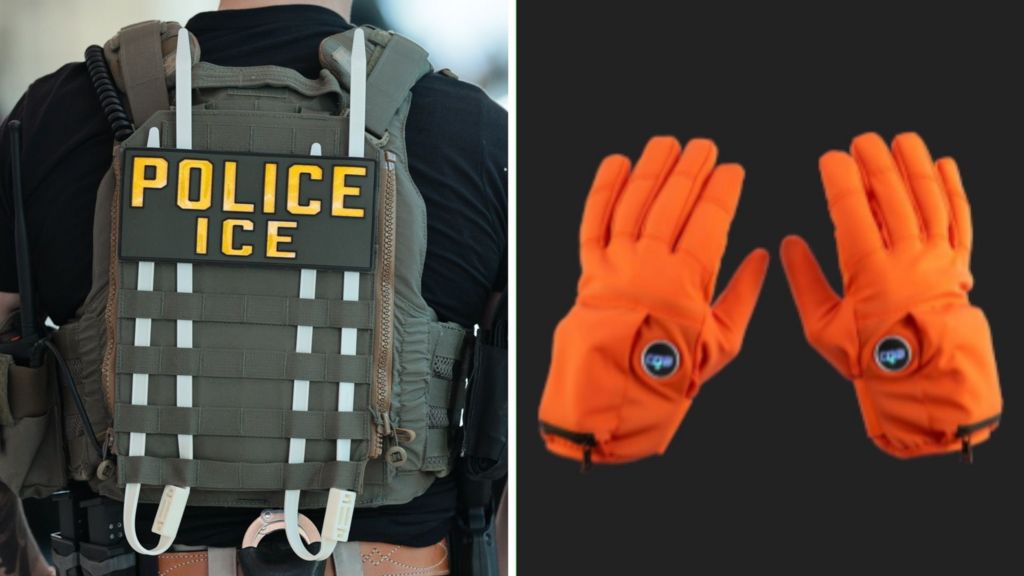
As tensions around U.S. immigration enforcement continue to surge to new heights, a new piece of equipment issued to Immigration and Customs Enforcement (ICE) agents has ignited fierce debate across the country: electrified shock gloves. The BBC’s North America correspondent Sarah Smith has launched an in-depth exploration of this development, digging into what the rollout of the controversial gear means for the agency, its operations, and the ongoing national conversation over immigration policy.
For years, ICE has been at the center of a polarizing national debate, with critics arguing that its enforcement tactics are overly aggressive and violate human rights, while supporters maintain that the agency is simply carrying out necessary work to uphold national immigration laws. The addition of shock gloves to agents’ standard equipment comes at a moment when public friction over immigration enforcement has reached a fever pitch, with protests over detention conditions, deportation policies, and border security continuing to make headlines across the nation.
Shock gloves, which deliver controlled electric shocks to subdue individuals, are classified as less-lethal weapons, but their deployment by ICE has already drawn sharp criticism from immigration advocacy groups, who warn that the new gear could lead to increased instances of excessive force against detainees and undocumented migrants. Smith’s reporting examines both the agency’s justifications for rolling out the equipment – which officials frame as a way to improve agent safety and reduce the need for lethal force in confrontations – and the growing concerns from opponents who argue that the new tools will only escalate violence in already tense enforcement interactions. As the debate over immigration continues to shape national political discourse, this small but controversial change to ICE’s equipment arsenal has become another flashpoint in the larger fight over how the United States manages its immigration system.