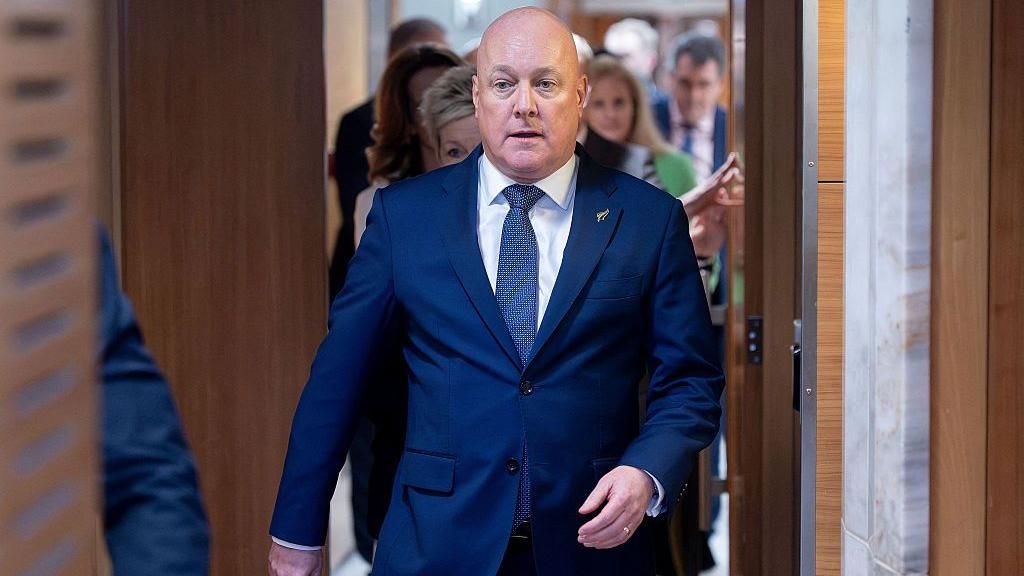
As New Zealand approaches its November 7 general election, Prime Minister Christopher Luxon has emerged from a second leadership challenge in four months with a declaration that he retains the full backing of his ruling center-right National Party. Facing growing public and intra-party speculation over his grip on the leadership, Luxon called an emergency three-hour caucus meeting on Wednesday to address the unrest, emerging to reaffirm his party’s unity and electoral ambitions.
The latest bout of leadership uncertainty stems from a string of missteps by the 56-year-old former chief executive of Air New Zealand, which have compounded existing voter frustration over the country’s underperforming economy. Earlier this month, Luxon sparked widespread anger among New Zealand’s small business community when he used a public speech to accuse local business owners of holding a “parent-child mentality” toward the central government and urged them to “be adult”, claiming businesses relied too heavily on state handouts. He was quickly forced to issue an apology, acknowledging that thousands of business owners were already grappling with severe economic hardship.
Last week alone, Luxon faced another wave of backlash when he revealed on live radio that he was open to holding a national referendum on New Zealand’s electoral system – a proposal he had not discussed or coordinated with his own party colleagues ahead of the public announcement.
These controversies have come as the country grapples with sustained economic stagnation, which has eroded public support for Luxon’s administration. Unemployment has climbed to 5.6%, an 11-year high, and the government has failed to deliver on the core 2023 campaign promises that brought Luxon to power: cutting the cost of living and reducing personal and business taxes.
A 1News Verian opinion poll published the same morning as the caucus meeting underscored the depth of Luxon’s political slump, with his approval rating as preferred prime minister dropping to 17% – the lowest point of his tenure. Even with the decline, however, polling data still puts him ahead of all other potential challengers for the top job.
Wednesday’s caucus vote means Luxon has survived a confidence vote, clearing the immediate threat to his leadership four months before the country heads to the polls. Speaking to reporters after the meeting, Luxon struck a confident tone, saying “I have the full support of our caucus. Our caucus is united, and it is determined to win this election.” Political analysts will continue to monitor whether the resolution of internal leadership tensions will be enough to reverse the National Party’s sliding poll numbers ahead of the critical November general election.