Nigeria’s federal presidency has announced a landmark success for the country’s joint security forces: the rescue of more than 300 people kidnapped in separate attacks across two north-central states, marking what officials call the largest single-day hostage rescue operation in the nation’s modern history.
All 308 freed captives were pulled from hiding sites within Kainji Lake National Park, located in Niger State, during a coordinated mission that brought together personnel from the Nigerian military, national police, domestic intelligence units, and the National Counter-Terrorism Centre. Among those rescued were 163 residents of the Woro community in neighboring Kwara State, who were abducted during a brutal jihadist attack on the village in February that left dozens of residents dead. An additional 145 hostages kidnapped in separate incidents across Niger State were also freed in the same operation.
As of the presidency’s announcement, no information has been released confirming whether any suspect kidnapping perpetrators were detained during the mission. All rescued captives are currently receiving on-site medical assessments and care at a military facility, and are expected to be reunited with their family members in the coming days after completing necessary health screenings.
“President Bola Ahmed Tinubu warmly welcomes the successful rescue of 308 Nigerian citizens who were abducted in different attacks in Niger and Kwara states,” presidential spokesman Bayo Onanuga confirmed in an official statement. Onanuga emphasized that the operation is unprecedented, noting it is “the largest rescue operation ever carried out” in a single day in Nigeria.
Tinubu framed the successful mission as clear evidence of improving inter-agency coordination between Nigeria’s multiple security bodies, a key policy priority of his administration as it works to address widespread insecurity across the country.
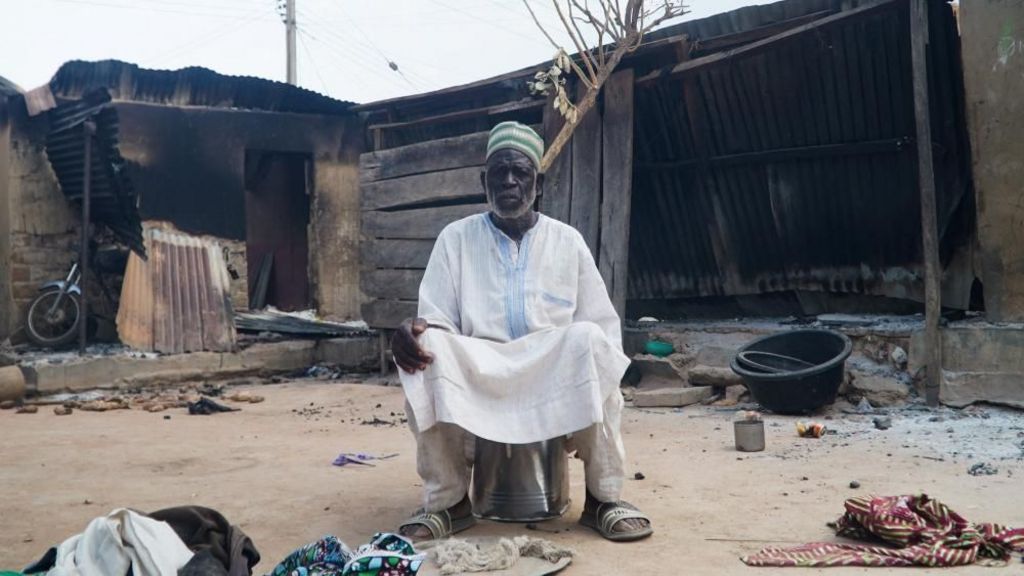
The February attack on the Woro community that left dozens dead and more than 160 abducted was one of the most high-profile mass kidnappings in Nigeria this year. Investigations and witness accounts show that the armed jihadist attackers demanded Woro residents renounce the Nigerian government and national constitution, and instead adhere to the group’s extreme ideological teachings. The assault was an explicit attempt to impose a parallel, extremist-led system of governance over the local area.
Post-attack forensic investigations compiled by Amnesty International documented gruesome details of the violence: many of the slain Woro residents were found with their hands and feet bound, with some killed by slit throats and others shot execution-style. The Nigerian government has officially blamed Boko Haram, the long-active extremist jihadist group based in the country’s northeast, for the February attack, though the group has not released any public statement claiming or denying responsibility for the assault to date.
This latest successful rescue comes just weeks after a separate month-long security operation ended with the release of 44 abducted pupils and teachers from a school in Oyo State, who had spent more than 50 days in captivity.
The string of mass abduction attacks across north-central and parts of southern Nigeria in recent months has sparked growing concern among analysts and residents that insecurity is spreading beyond the country’s traditional conflict zones in the northeast, where Boko Haram and related extremist groups have waged an insurgency for more than 15 years.