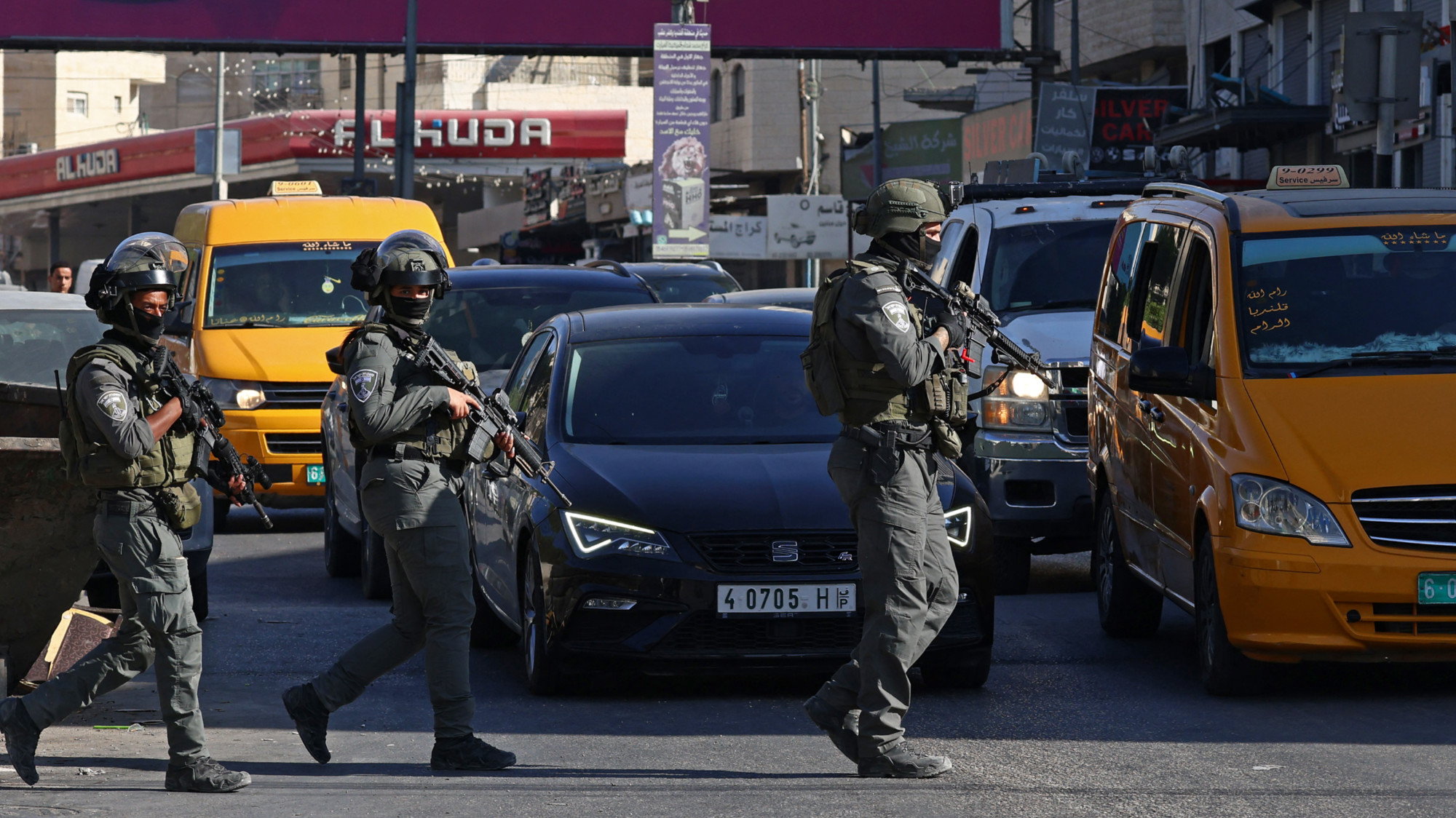
On a pre-dawn Wednesday, Israeli military forces unleashed a sweeping, large-scale operational raid into the Qalandiya Palestinian refugee camp, located in occupied East Jerusalem, triggering widespread disruption, physical injuries, and property damage across the densely populated enclave, according to local Palestinian officials and on-the-ground witnesses. The Jerusalem Governorate confirmed that dozens of armored Israeli military vehicles pushed across camp boundaries before sunrise, loaded with tactical equipment, supply containers, and detailed operational maps of the area. As the incursion progressed, troops fanned out to secure key positions across multiple residential neighborhoods, kicking off a coordinated campaign of door-to-door home raids and property searches that lasted through the morning.
Palestinian sources on the ground report that Israeli troops specifically targeted the headquarters of the Qalandiya camp’s Popular Committee, seizing the facility, and forcibly evicted multiple Palestinian families from their residential properties. One entire household was ordered to fully evacuate their home, and worshippers were blocked from holding collective dawn prayers at every mosque across the camp. Multiple civilian injuries have been confirmed in the wake of the operation: a Palestinian man sustained serious leg injuries after being hit by an Israeli military vehicle near the camp entrance, and a 53-year-old Palestinian detainee was harmed after being beaten by troops during his arrest. Journalists covering the incursion were also targeted: veteran reporter Muhammad Sumrin was severely assaulted by soldiers while on assignment, and stun grenades were fired toward other members of the press documenting the raid.
In addition to raids and arrests, the operation included infrastructure damage: eyewitnesses confirmed that soldiers intentionally breached a perimeter wall near the camp to allow Israeli bulldozers access to the interior, after which the heavy machinery demolished a privately owned car wash located on Almatr Street. Before and during the incursion, Israeli military command distributed physical leaflets to camp residents and sent direct digital messages warning locals against any action that would “harm the security and lives of Israelis,” and urging residents to avoid confronting advancing troops. The operation also resulted in a wave of detentions, with multiple local Palestinians reporting that detainees were physically assaulted during the arrest process, according to Palestinian Red Crescent officials.
In a public post on Facebook, the Coordinator of Government Activities in the Territories (Cogat), the Israeli military body that oversees operations in the Israeli-occupied West Bank, framed the raid as a counter-terrorism action targeting alleged “terrorist elements, terrorist infrastructure, and the phenomenon of weapons possession and trafficking, which poses a threat to the security of the entire region.” As of Wednesday afternoon, however, the Israeli military had not specified what specific terrorist activity the operation was responding to, and no recent attacks targeting Israelis have been traced back to the Qalandiya camp in recent months.
The raid aligns with a broader expansion of Israeli military operations across West Bank refugee camps that has been reported in Israeli media. Following recent large-scale incursions into the Jenin and Tulkarm refugee camps, Israeli security sources told local outlets that military command was considering expanding the counter-terrorism campaign to multiple additional camps across the occupied West Bank, including Qalandiya. Israeli officials have stated the ongoing campaign is intended to dismantle what they describe as armed militant infrastructure across northern and central regions of the West Bank.
Home to more than 15,000 registered Palestinian refugees, Qalandiya is one of the most densely populated Palestinian refugee camps in the occupied Palestinian territories. Its strategic location between Jerusalem and the West Bank city of Ramallah, positioned just a short distance from Israeli settlements and key Israeli-controlled checkpoints and infrastructure, has made it a repeated target of Israeli military raids over the past decades of Israeli occupation.