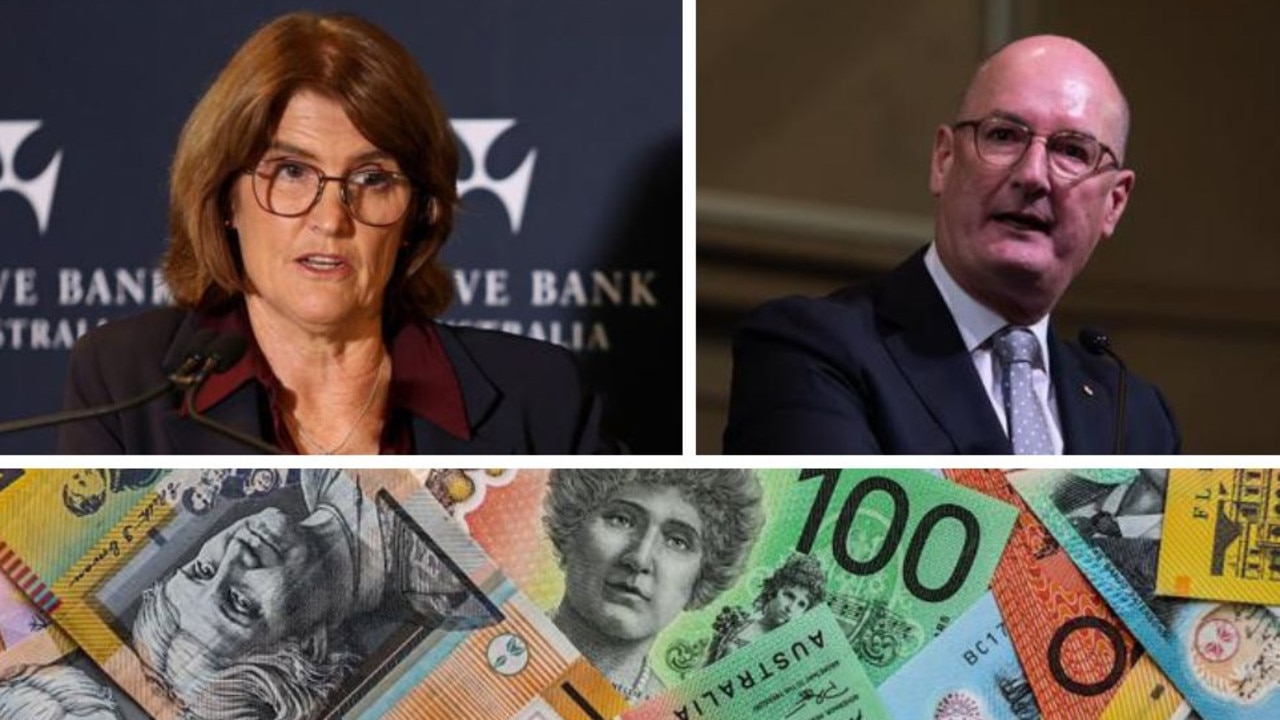
Australia’s fragile household finance landscape is facing fresh scrutiny, as leading economic voices warn that another interest rate increase from the Reserve Bank of Australia (RBA) could push already cash-strapped mortgage holders into financial ruin. Amid mixed new inflation data and ongoing cost-of-living pressures, David Koch, economic director at comparison platform Compare the Market, has issued a stark call for the RBA to halt its rate-hiking cycle and instead push for federal government spending cuts to curb rising prices.
Koch argues that Australian households are already bearing the brunt of cost increases entirely outside their control, from sky-high petrol prices driven by Middle East geopolitical conflict to soaring grocery costs. He says further rate hikes, which are being debated by economists ahead of the RBA’s August monetary policy meeting, would be devastating for working families already cutting non-essential spending to make ends meet.
“Inflation is not being driven by consumers splashing cash or living beyond their means,” Koch explained. “Price increases are coming from external global shocks and public spending, yet mortgage holders are the only group being forced to absorb the pain of policy tightening. Another rate hike would just add another layer of pressure to households already squeezed from all sides.”
His intervention comes just after the Australian Bureau of Statistics (ABS) released mixed inflation data for the 12 months ending June 30. Headline inflation edged down slightly from 4.0% to 3.8%, marking incremental progress in the RBA’s fight to cool price growth. However, the closely watched trimmed mean inflation rate — which strips out volatile price swings to measure underlying inflation — held steady at 3.6%, remaining above the RBA’s 2-3% target range. The ABS also reported that household spending rose 0.8% in June, defying forecasts that previous rate hikes and volatile oil prices would drag down consumption. Annual household spending growth hit 6% for the 2026 financial year, even after a period of market volatility.
AMP economist My Bui noted that the full impact of the RBA’s three 2026 rate hikes has not yet filtered through to household spending habits. Quarterly spending volume grew 0.7% in the April-June period, translating to 2.4% annual growth — far outpacing Australia’s 1.5% annual population growth, she pointed out. “We haven’t yet seen the full drag of three rate hikes show up in consumption data,” Bui explained.
The RBA has raised the official cash rate three times this year, implementing 0.25 percentage point hikes in February, March and May, before holding rates steady at 4.35% in June. Koch expects the central bank will hold rates again in August, but warned households should not assume the tightening cycle is over: multiple economists still predict another rate hike before the end of 2026.
Koch has proposed an alternative policy path for RBA governor Michele Bullock: rather than raising rates again, he says Bullock should collaborate with Treasurer Jim Chalmers to cut government spending, which would reduce aggregate demand and ease inflation without penalizing home owners. “Maybe Michele Bullock could have a word to the Treasurer instead and say, ‘Hey mate, will you cut spending and reduce demand and give us a bit of help with inflation that way?’” Koch said.
Calculate by Compare the Market lay bare the additional strain another hike would bring. A household with an average Australian mortgage of $735,000 would see their monthly repayments jump by roughly $120 if the RBA moves ahead with another 0.25 percentage point increase. For a home owner with a $750,000 loan, this year’s three hikes have already added $370 to monthly repayments — even before any further increases.
“Consumers have already gone into the bunker. They’re cutting back wherever they can, but many of the biggest cost increases hitting household budgets are completely beyond their control,” Koch added.