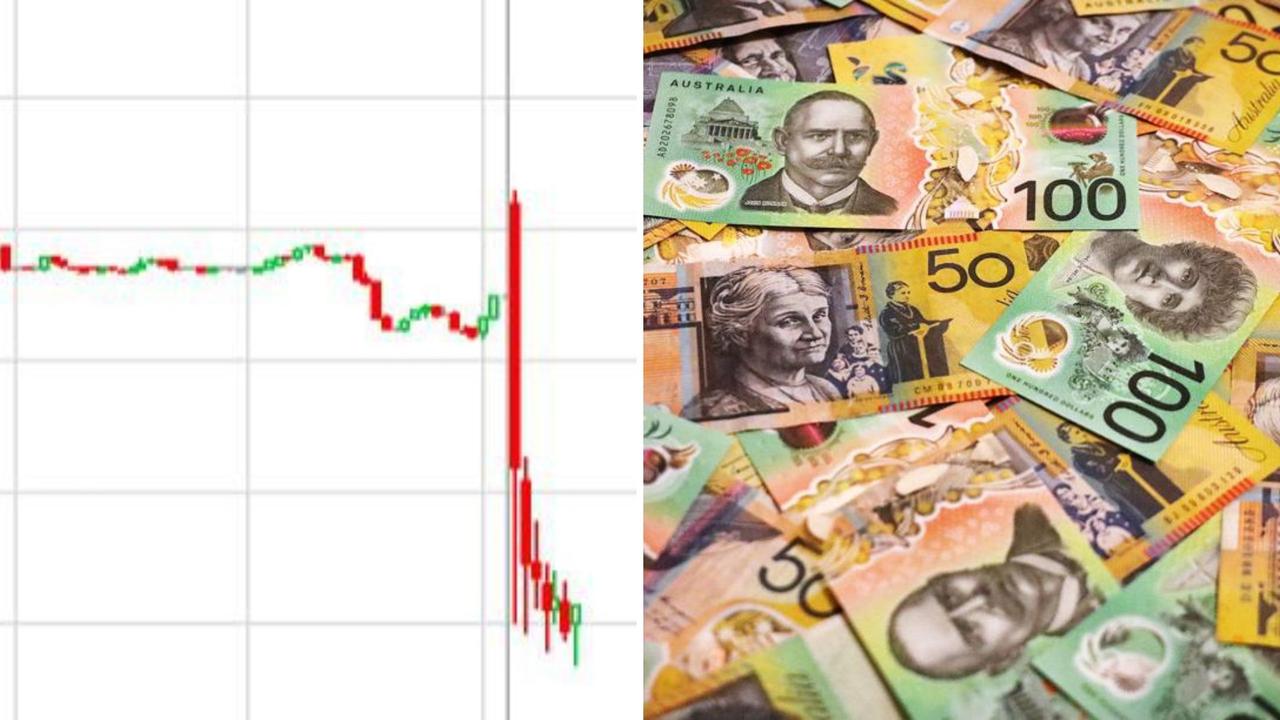
Australia’s largest debt collection and purchasing firm, Credit Corp, has seen a sharp sell-off of its publicly traded shares after the company’s full-year financial results revealed an aggressive expansion push into the U.S. debt market that has spooked market participants.
Listed on the Australian Securities Exchange (ASX), Credit Corp released its annual earnings report on Tuesday. Even with a solid 12.1% year-over-year jump in full-year profit and a 14% increase in total annual dividends compared to 2023, investor sentiment turned bearish almost immediately after the results hit markets. Within the first hour of trading, the company’s share price dropped 9%, and by midday local time, losses had deepened to 15%. The steep decline stands out against a broader market uptick, with the benchmark ASX 200 hitting a five-month intraday high on the same trading day.
Credit Corp operates across four key markets: Australia, New Zealand, the United Kingdom and the United States. The firm specializes in two core lines of business: collecting outstanding delinquent debt, and extending lending to consumers who are considered too high-risk to access credit from mainstream banks and large lending institutions. Over the past 12 months, the company’s total lending volume surged 15% to reach AU$510.5 million. In its home region of Australia and New Zealand, annual debt collection revenue grew 4% to AU$260 million, according to the results. The most notable takeaway from the report, however, was the large volume of U.S. debt purchased by the company as part of its international growth strategy.
In comments accompanying the earnings release, Credit Corp chief executive Thomas Beregi addressed ongoing macroeconomic pressures, pointing to the global cost of living crunch while highlighting the company’s strong record on consumer protection. “The impact of elevated costs of living has served to sharpen our focus on ensuring we respond to consumer hardship appropriately and engage respectfully with our customers,” Beregi said. He added that independent reporting from leading Australian financial counselling groups has ranked Credit Corp’s Australian debt purchasing division as the top-performing credit provider for consumer hardship response for three consecutive years. The company also maintains the lowest external dispute resolution complaint rate among large Australian debt buyers, a track record Beregi said the firm would preserve as it expands.
Contrary to widespread concerns about rising consumer defaults amid cost of living pressures, Credit Corp’s financial results show that payment arrears and loan losses have remained within projected forecast levels, even as the company’s total loan book and purchased debt portfolio has expanded. “Arrears and losses remained within pro-forma levels despite the growth in the book and broader macro-economic uncertainty with continued cost-of-living pressures,” the report noted.
Despite these reassuring metrics on consumer default risk, investors have focused heavily on the risks associated with the company’s U.S. debt buying spree. Industry analysts point to a key structural feature of the debt purchasing business that has left investors nervous: returns from newly acquired debt do not materialize until years after the purchase is made. “Debt buying earnings lag purchasing, so this is an FY2028 collections problem,” PAC Partners senior trader James Nicolaou explained in a market note following the earnings release. Nicolaou also noted that the stock had already rallied 25.7% over the three months leading up to the results, leaving it overpriced for an earnings report that failed to beat consensus analyst expectations. He added that earnings per share revisions had already been trending downward before Tuesday’s report.
On a positive note for shareholders, the company declared a fully franked final dividend of 45.5 Australian cents per share. When combined with the earlier interim dividend of 32 cents per share, total annual dividends come in 14% higher than the previous year, outpacing the company’s profit growth for the period.